
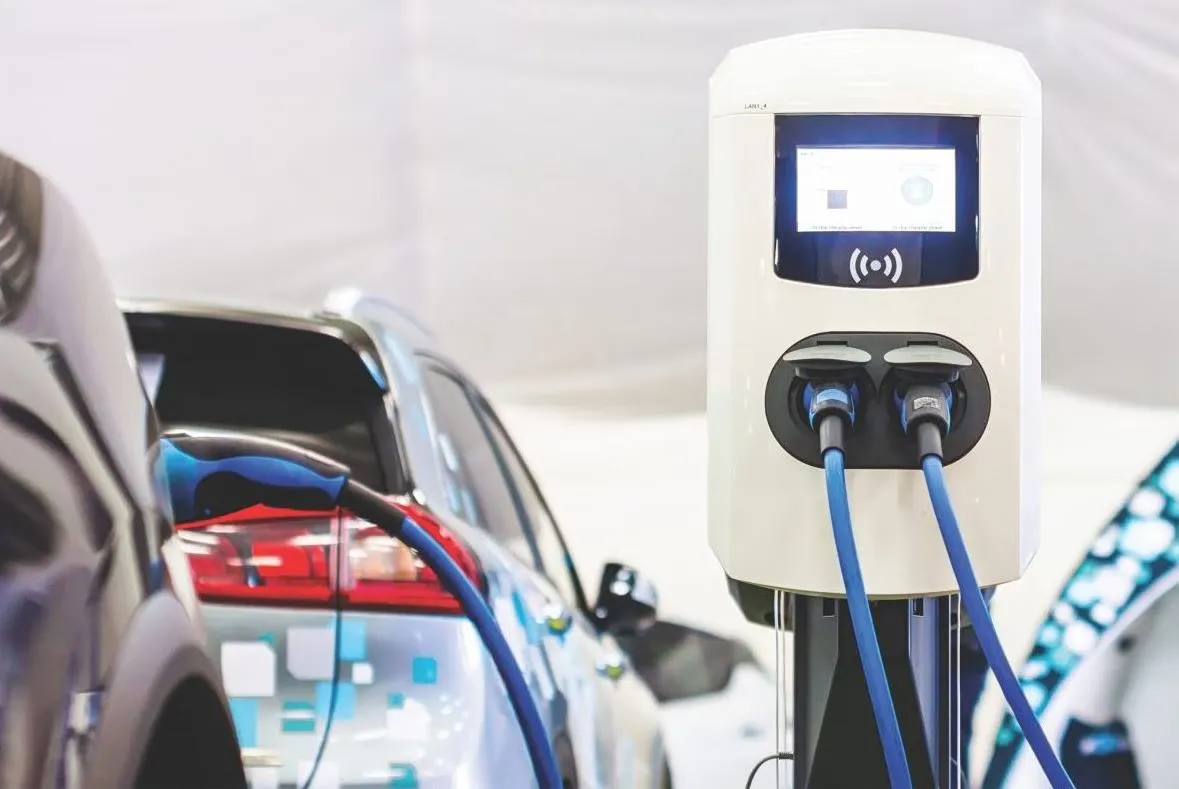
Why are electric vehicle sales skyrocketing in Germany?
The German automotive market witnessed a significant shift in September 2026, with electric vehicles capturing a record 34.5% of all new car registrations. According to the Federal Motor Transport Authority (KBA), nearly 88,600 pure electric vehicles were registered during the month, a figure that represents a near doubling of the volume recorded in September 2025. This milestone surpasses the previous record of 33.2% set in December 2022, a period just before the Merz administration reduced state subsidies for electric vehicle purchases.
Several converging factors have accelerated this transition. While environmental policy remains a long-term driver, immediate economic pressures are playing a more decisive role. The volatility of global oil markets, exacerbated by ongoing conflicts in the Middle East and subsequent supply chain disruptions, has caused fuel prices to climb sharply. This has made the operational cost advantage of electric mobility increasingly attractive to the average consumer, who views the switch as a way to mitigate the impact of recurring "oil shocks" involving regions like Russia and Iran.
Furthermore, the German government's decision to reintroduce electric vehicle incentives at the beginning of 2026 has provided the necessary fiscal stimulus to boost demand. According to the consulting firm EY, this strong growth in the electric vehicle sector is largely explained by the incentives the German government brought back to the market. This policy reversal has helped stabilize a market that previously faced uncertainty following the reduction of subsidies under the previous administration.
The decline of internal combustion engines
The rise of electric mobility is directly correlated with a sharp downturn in the popularity of traditional engines. In Germany, September 2026 saw a 29.2% year-on-year decline in gasoline vehicle registrations. Diesel engines faced a similar fate, with sales dropping by 20.1% compared to the previous year. This trend highlights a fundamental pivot in consumer preference toward electrification as a hedge against fossil fuel volatility.
The data suggests that the automotive landscape is undergoing a structural transformation. As consumers move away from gasoline and diesel, the traditional pillars of the German automotive industry are being challenged. EY notes that the German automotive industry, currently mired in crisis, finds itself lagging significantly behind its Chinese competitors in the realm of electric mobility. This gap is widening as the market shifts from internal combustion to electric power.
How are Chinese manufacturers dominating the EV market?
Chinese automotive groups are the primary beneficiaries of the current global shift toward electrification, often outperforming established European and American brands. According to an EY report, Chinese manufacturers saw an 80% increase in their sales within the German market in September 2026, reaching a record 8.4% market share. This rapid expansion is fundamentally altering the competitive landscape of the German automotive sector.
The growth rates of specific Chinese brands are particularly striking. For instance, BYD and XPENG, companies specializing in electric vehicles, recorded year-on-year registration increases of 262.1% and 278.6%, respectively. Even Tesla, the American EV giant, saw a substantial growth of 268.7% during the same period, though it operates in a landscape increasingly crowded by high-tech Chinese competitors. These figures illustrate how quickly Chinese-branded electric vehicles are gaining traction in one of the world's most important automotive markets.
This dominance is not limited to Europe. In emerging economies across Africa, Asia, and South America, Chinese brands such as Geely and MG are rapidly capturing market segments previously held by Japanese, American, and European manufacturers. In these regions, Western models, including those from Tesla, are described as being almost invisible. Chinese manufacturers are successfully positioning themselves as the most affordable and accessible entry point into the electric era for consumers in developing nations.
What is the impact of government policy on consumer behavior?
Frequent shifts in government subsidies and regulatory frameworks are creating a climate of uncertainty for both manufacturers and consumers. Constant changes in fiscal support make long-term financial planning difficult for households attempting to navigate the transition to electric mobility. The lack of policy stability can hinder the ability of consumers to make informed, long-term investment decisions regarding their transportation needs.
Konstantin Gall of EY highlighted this instability, noting that the cycle of granting bonuses only to withdraw them creates significant market friction. When governments promise new regulations or incentives and then abruptly alter them, it becomes nearly impossible for consumers to engage in reliable, long-term planning. Gall points out that the history of bonuses being granted and then subsequently withdrawn creates a level of unpredictability that complicates the entire market ecosystem.
This policy volatility is particularly evident in the tension between trade protectionism and market growth. While subsidies drive sales, they also trigger defensive measures from Western governments. For example, the UK government has recently considered imposing high tariffs on Chinese-made electric vehicles to prevent what it perceives as market distortion caused by state-subsidized imports. This highlights a growing conflict between the push for rapid EV adoption and the desire to protect domestic industries from foreign competition.
How does the global energy crisis drive EV adoption?
Global energy instability acts as a primary catalyst for the worldwide transition to electric vehicles, as consumers attempt to mitigate the impact of "oil shocks." Recent geopolitical tensions in regions such as Russia, Iran, and the Strait of Hormuz have created a pattern of price volatility that discourages investment in internal combustion technology. Consumers are increasingly viewing electric vehicles as a tool for economic resilience.
A study published by the New York Times in the summer of 2026 confirmed that consumers across various continents are turning to EVs specifically to insulate themselves from these energy crises. This is clearly visible in developing economies where the average increase in EV sales reached 79% during the spring of 2026. This surge demonstrates that the transition to electric mobility is not merely a luxury trend in wealthy nations but a practical response to economic instability in emerging markets as well.
In countries like Costa Rica, Uruguay, and Ethiopia, the transition is being led by the availability of cost-effective electric models. Consumers are increasingly recognizing that while the initial purchase price of an EV may be higher, the total cost of ownership—including maintenance and energy consumption—is significantly lower than that of traditional gasoline or diesel vehicles. This economic reality is driving a global trend where even the used car market is seeing a surge in demand for "bargain" electric vehicles, particularly in France.
Key takeaways
- German EV market share reached a record 34.5% in September 2026.
- Chinese manufacturers' sales in Germany grew by 80% in September 2026.
- Gasoline vehicle registrations in Germany fell by 29.2% year-on-year.
- Emerging economies saw a 79% average increase in electric vehicle sales.
- Rising fuel prices due to Middle East instability are driving consumer shifts.
Frequently asked questions
Why are electric vehicles becoming more popular in Germany?
Electric vehicles are gaining popularity due to a combination of high fuel prices and new government subsidies introduced in early 2026. Consumers are increasingly choosing EVs to avoid the volatility of the oil market and to take advantage of lower long-term maintenance and running costs.
Which brands are leading the EV growth in Germany?
Chinese brands like BYD and XPENG are seeing massive growth, with increases of over 260% respectively. While Tesla also shows strong growth, Chinese manufacturers are capturing a larger share of the market by offering competitive pricing and advanced technology.
Is the demand for diesel and gasoline cars decreasing?
Yes, there is a significant decline in demand for traditional engines. In Germany, September 2026 data shows gasoline sales dropped by 29.2% and diesel sales fell by 20.1% compared to the previous year, as the market shifts toward electric alternatives.
How are Chinese manufacturers performing in emerging markets?
Chinese manufacturers are dominating emerging markets in Africa, Asia, and South America. Brands like Geely and MG are rapidly replacing traditional Japanese and European manufacturers by providing more affordable electric models that suit the economic realities of these regions.
What are the risks of changing government subsidies?
Frequent changes to subsidies create uncertainty for both buyers and carmakers. When incentives are promised and then withdrawn, it prevents consumers from making reliable long-term financial decisions and can destabilize the automotive industry's strategic planning.
Conclusion
The surge in electric vehicle sales in 2026 marks a definitive turning point in the global automotive industry. Driven by the economic necessity of escaping volatile fuel markets and supported by strategic government incentives, the transition is accelerating beyond previous projections. While the rise of Chinese manufacturers presents a significant challenge to established Western automotive powers, it also provides the affordability required to drive mass adoption, particularly in emerging economies. As the industry navigates the complexities of trade tariffs and shifting subsidies, the move away from internal combustion engines appears to be an irreversible response to the global energy landscape.







