
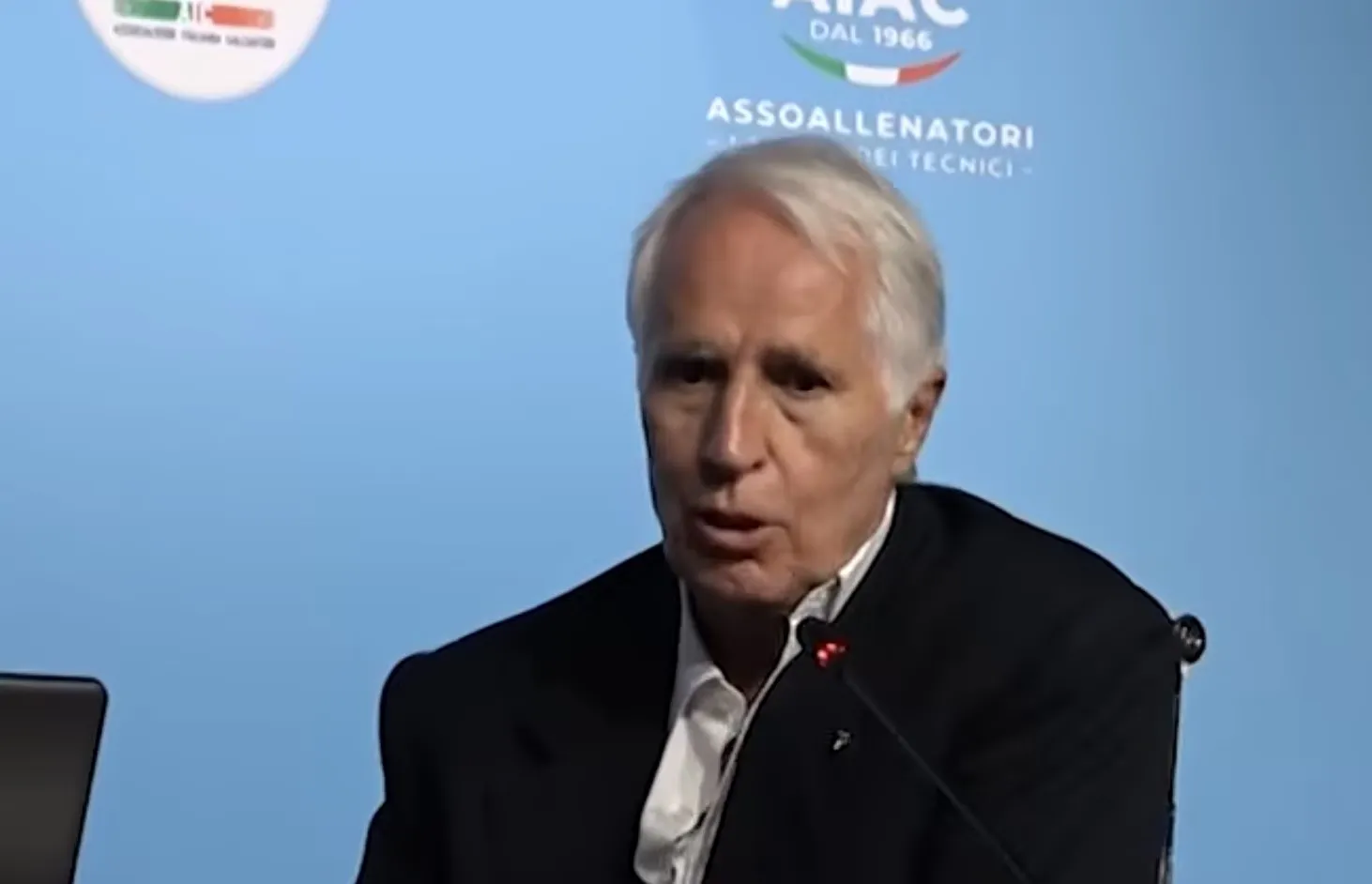
Why was the Italian Football Federation leadership changed?
Giovanni Malagò has transitioned from the position of President to interim commissioner of the Italian Football Federation (FIGC) following a significant procedural disqualification. This change in leadership status was not a result of a vote of no confidence, but rather a legal determination regarding his eligibility during the previous electoral cycle. The core of the issue stems from the elections held on June 22, 2026, where it was determined that Malagò was not a registered member at the time of the vote, rendering his victory invalid under the federation's governing regulations.
The disqualification was a technical failure concerning his membership status during the voting window. To prevent a total power vacuum within the federation, the Italian National Olympic Committee (CONI) stepped in to stabilize the institution. The CONI executive committee unanimously approved a proposal for temporary management, which led to the appointment of Malagò to oversee the federation in a transitional capacity. This arrangement ensures that the day-to-day operations of Italian football remain uninterrupted while the administrative requirements for a permanent presidency are rectified. Under this new mandate, Malagò will serve as a transitional head, with the possibility of running for the presidency again once his status as a registered member is secured.
The role of the sports prosecutor
The sports prosecutor played a decisive role in the investigation into the June elections, acting as the catalyst for the current leadership shift. By referring the case to the relevant authorities, the prosecutor highlighted the critical discrepancy regarding Malagò's membership status. This formal referral moved the matter from a mere administrative oversight to a legal necessity that required the intervention of the Italian National Olympic Committee.
The prosecutor's findings forced the CONI National Council to formalize a new leadership structure to maintain the integrity of the sporting institution. By identifying that Malagò was not a registered member during the June 22nd elections, the prosecutor's intervention ensured that the rules governing electoral eligibility were strictly enforced, even if it meant the removal of a previously elected official. This process has underscored the importance of procedural compliance within the Italian sporting hierarchy, as the prosecutor's referral necessitated a response from both the CONI executive committee and the National Council to validate the new interim leadership.
How did the political tension affect the decision?
The appointment of Malagò was not a simple administrative move; it followed intense behind-the-scenes negotiations and significant political maneuvering within the upper echelons of Italian sports. A critical meeting took place on Tuesday, October 6, 2026, between Giovanni Malagò and Luciano Buonufiglio, the President of CONI. This meeting occurred just hours before the official decision was announced, suggesting that high-level discussions were necessary to reach a compromise and resolve the deadlock that had emerged following the June electoral dispute.
The situation was further complicated by reports of political friction and allegations of potential conflicts of interest. According to *La Gazzetta dello Sport*, the political landscape was marked by tension between figures aligned with Malagò and those supporting Buonufiglio. Specifically, scrutiny was placed on Buonufiglio's role in the decision-making process. Concerns were raised that his vote could be contested because his son is employed by a company that manages marketing and development projects for the new Venezia stadium. This perceived overlap between personal family interests and institutional decisions added a layer of complexity to an already sensitive political environment, creating a backdrop of intrigue that surrounded the final ratification by the CONI National Council.
The impact of the December 14 election date
The rescheduling of the Italian Football Federation elections to December 14, 2026, provides a definitive timeline for restoring permanent leadership to the federation. This date serves as the deadline for resolving the current interim period. The window between now and mid-December allows Malagò to operate as a transitional head while simultaneously rectifying the administrative errors that led to his disqualification. Unlike the previous attempt in June, Malagò is expected to run for the presidency as a fully registered member, which would theoretically insulate his candidacy from the procedural challenges that caused the initial crisis.
The interim period is designed to allow the federation to move past the current legal impasse. Malagò has expressed a commitment to this transitional role, stating that he accepts the position with a "spirit of service." He has emphasized that the priority during this period should be to focus all energy and attention on the actual priorities of Italian football, rather than the administrative disputes that have dominated recent months. By setting a firm date in December, the governing bodies aim to provide stability and a clear path forward for the sport's administration.
Reflections on procedural integrity
The current crisis has prompted reflections on the nature of sporting regulations and the consequences of technical errors. Luciano Buonufiglio, the President of CONI, defended the decision to uphold the rules, noting that the principle of respecting regulations must be maintained to ensure the autonomy of the sporting world. However, he also acknowledged the human element of the error, drawing a parallel to his own past experience.
Buonufiglio recounted a time when he was the president of the canoe-kayak federation and won an election, only to find that certain ballots had not been properly stamped. Although the error was attributed to the secretariat, he chose to withdraw his candidacy and run again to ensure total compliance. By citing this personal example, Buonufiglio framed Malagò's situation as a victim of a procedural mistake rather than a failure of leadership, questioning why an individual should have to pay the price for such technicalities. This perspective highlights the tension between the rigid enforcement of rules and the practical realities of sporting administration, suggesting that while the rules must be respected, the fallout of administrative errors can be disproportionately heavy on the individuals involved.
Conclusion
The transition of Giovanni Malagò from President to interim commissioner marks a period of administrative correction for the Italian Football Federation. While the disqualification was rooted in a technical failure regarding membership registration, the resulting political maneuvering and questions of conflict of interest have highlighted the complexities of sports governance in Italy. With the new elections set for December 14, the federation now looks toward a period of stability, guided by a transitional leader tasked with refocusing the organization on its primary sporting objectives.
Frequently Asked Questions
Why was Giovanni Malagò disqualified from the June elections?
Malagò was disqualified because he was not a registered member at the time of the elections held on June 22, 2026. This technicality rendered his victory invalid under the federation's rules.
What is Giovanni Malagò's current role in the FIGC?
He has been appointed as the interim commissioner (transitional head) of the Italian Football Federation to manage the organization until new elections are held.
When will the new elections take place?
The new elections for the leadership of the Italian Football Federation are scheduled to take place on December 14, 2026.
Who oversees the Italian Football Federation's leadership decisions?
The Italian National Olympic Committee (CONI), including its executive committee and National Council, is responsible for approving the interim management and overseeing the electoral process.
Key Takeaways
- Giovanni Malagò has been appointed as the interim commissioner of the Italian Football Federation following a procedural disqualification in the June 2026 elections.
- The disqualification was due to Malagò not being a registered member during the voting period.
- CONI unanimously approved the interim management to prevent a power vacuum.
- New elections for the federation are scheduled for December 14, 2026.
- The situation involved significant political tension and questions regarding potential conflicts of interest involving CONI leadership.







