The structural profile and aging of Grande Reserve Naoussa
Grande Reserve Naoussa distinguishes itself through a rigorous maturation process designed to build complexity and structure. The wine is crafted exclusively from 100% Xinomavro grapes harvested within the Naoussa Protected Designation of Origin (PDO). To achieve its characteristic depth and complexity, the winery employs a multi-stage aging strategy that spans a minimum of four years.
This meticulous approach ensures that the wine develops the profound character required of a reserve label. The resulting profile is marked by a deep ruby color and a sophisticated aromatic bouquet that includes notes of ripe red fruits, cinnamon, and wood. These elements work in concert to provide a full-bodied experience with soft tannins, making it a wine of significant substance.
The maturation timeline
The aging process is divided into two distinct phases to ensure the development of both texture and aroma. First, the wine spends two years in oak barrels, which contributes the foundational notes of wood and cinnamon. This is followed by an additional two years of aging in the bottle.
This extended period of rest allows the tannins to soften and the aromatic profile to integrate seamlessly. The transition from barrel to bottle is crucial for achieving the velvety finish and the harmonious balance that defines the Grande Reserve. This patience in production allows the wine to evolve from a raw expression of fruit into a structured, complex masterpiece that rewards the patient drinker.
Gourmet pairings for Xinomavro and traditional flavors
The structural intensity of Grande Reserve Naoussa allows it to complement diverse culinary profiles, ranging from light appetizers to heavy, slow-cooked meats. Because the wine possesses both acidity and ripe fruit notes, it acts as a bridge between different textures and flavors on a tasting menu. The success of a meal involving this wine often lies in the harmony of these selections.
Effective pairings for this specific vintage include:
- Appetizers: A welcoming platter of fine Greek cheeses, warm sourdough bread, carob rusks, and dried figs. These elements interact beautifully with the wine's tannins and fruitiness, providing a gentle introduction to the evening.
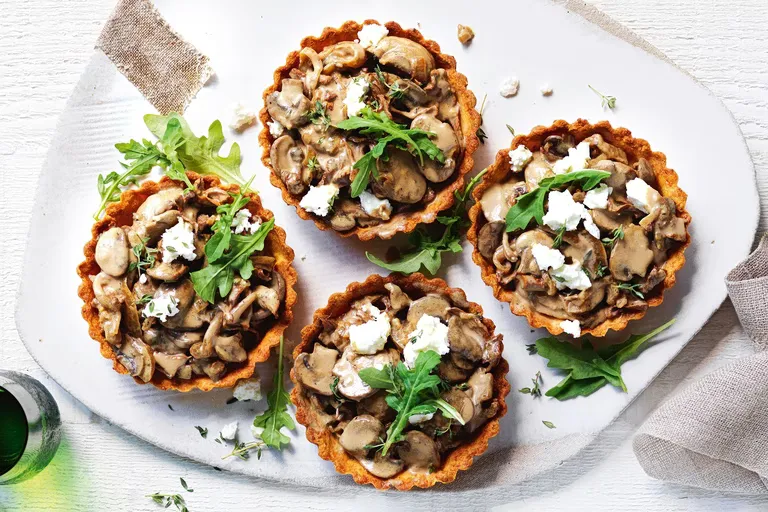
- Earthy Starters: Hand-made Cretan skoutofia served with a rich ragout of wild mushrooms, a few drops of truffle oil, and dry anthotyros cheese. The earthy intensity of the mushrooms and the discreet presence of truffle create a compelling balance with the wine's mature character, highlighting its structure.
- Main Courses: Beef cheek, slow-cooked for several hours in a gastra with Xinomavro wine, sage, and plums, served over a silky celery puree with browned butter.
In the case of the beef cheek, the wine's natural acidity perfectly balances the richness and fat of the slow-cooked meat. Furthermore, the plum and sage notes within the sauce mirror the wine's own profile, creating a cohesive and velvety dining experience that lingers on the palate.
The historical legacy of Boutari Wineries
Drinking Grande Reserve Naoussa provides a direct connection to the broader history of Greek viticulture. Boutari Wineries has played a fundamental role in establishing the modern standards of the industry, tracing its roots back to the late 19th century. The company's heritage is built on a foundation of combining traditional methods with deep scientific knowledge, a combination that has allowed them to elevate indigenous Greek varieties to the global stage.
| Historical Milestone | Detail |
|---|---|
| 1879 | Ioannis Boutaris establishes the foundation in Naoussa, laying the groundwork for modern Greek winemaking. |
| 1906 | The first historic winery is established, remaining a benchmark for the region. |
| Current Era | A commitment to terroir and the integration of scientific advancement with tradition. |
The winery operates extensive underground cellars in Naoussa, which are among the largest in Greece. These cellars serve as a sanctuary for the wine, where thousands of oak barrels and rare, collectible vintages sleep in the darkness until they are ready to be brought to light. This respect for the terroir and the ability to preserve history within the bottle is what gives the Boutari brand its distinct identity.
The relationship between time, patience, and quality
The production of a Grande Reserve Naoussa mirrors the development of long-standing human connections, where quality is a direct result of time and patience. Just as the wine requires years of maturation to reach its peak, the culinary dishes designed to accompany it—such as the slow-braised beef cheek—require hours of careful preparation to achieve their characteristic tenderness.
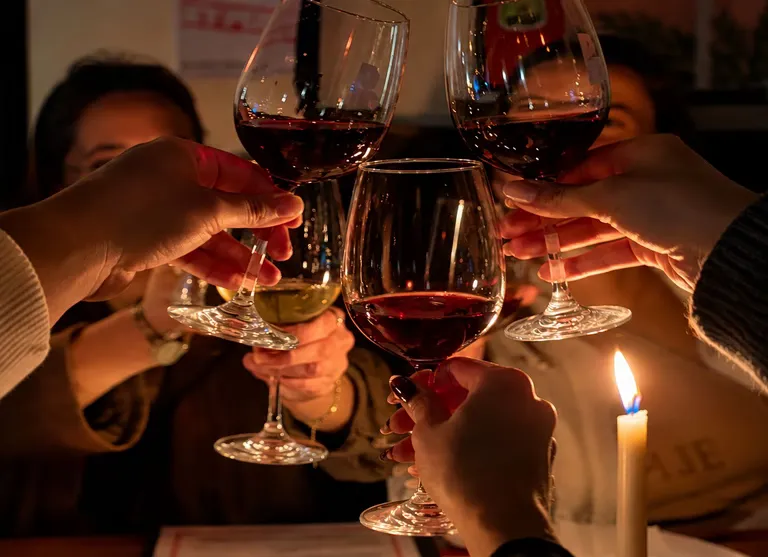
This synergy between the wine, the food, and the company of others defines the festive experience. The wine is not merely a beverage but a medium for social cohesion, intended to be appreciated in settings where time is allowed to pass unhurriedly. The complexity of the wine serves as a reminder that certain elements of life, whether they be fine wines or genuine relationships, improve only through the passage of years and dedicated care.