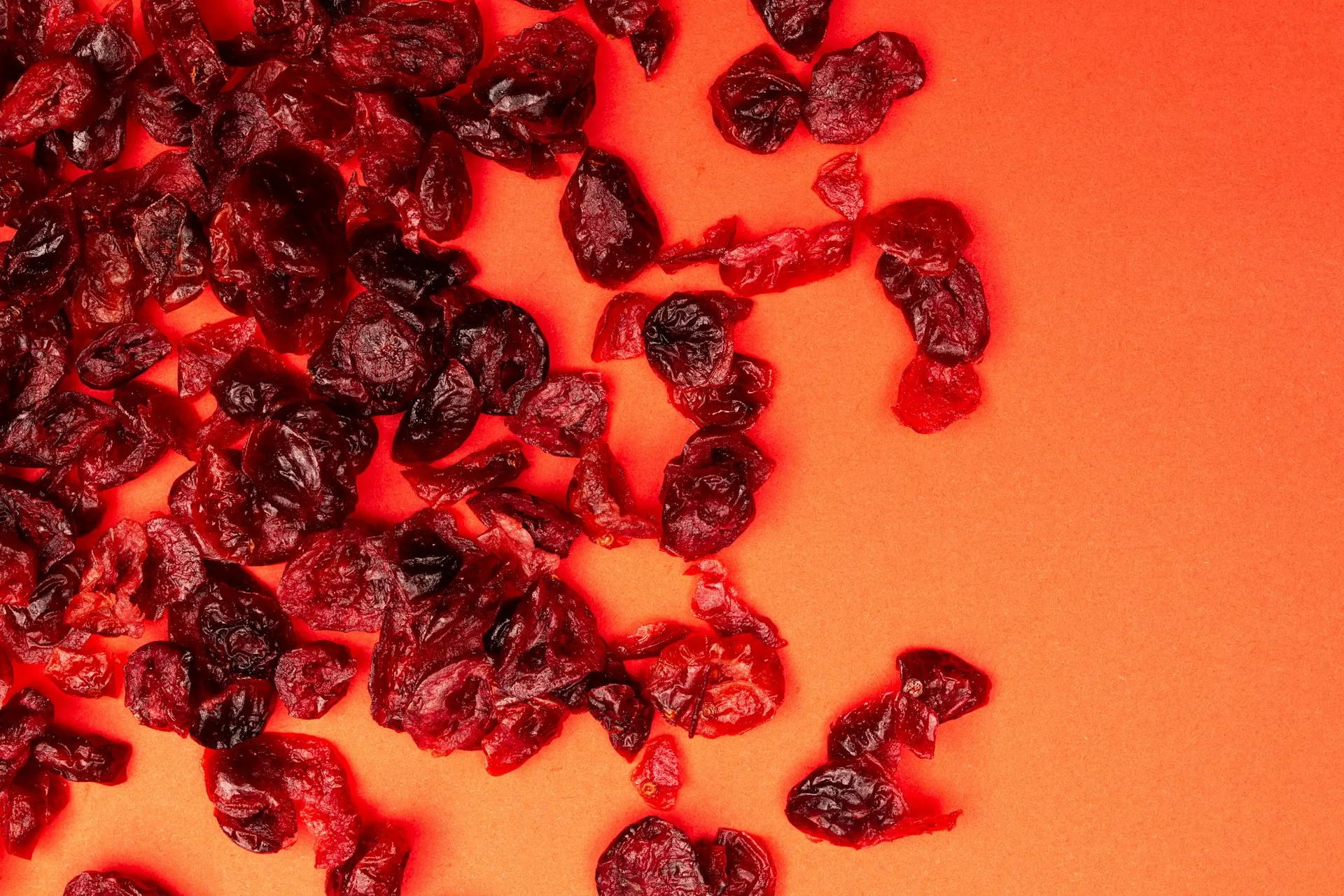
Antioxidant properties and cellular protection
Raisins contain significant antioxidant capacity due to the presence of polyphenols, which are beneficial plant compounds. These antioxidants play a critical role in neutralizing free radicals—unstable compounds that cause oxidative stress and subsequent cellular damage. Because oxidative stress is a biological process linked to aging and the development of various chronic diseases, incorporating antioxidant-rich foods into a balanced diet is a recognized nutritional strategy.
The role of polyphenols
Polyphenols in raisins act as a defense mechanism at the cellular level. By mitigating the impact of oxidative stress, these compounds help protect the body's structural integrity. While many fruits offer antioxidants, the concentrated nature of dried raisins makes them an efficient way to ingest these protective substances in smaller volumes.
Impact on digestive function and gut microbiome
The dietary fiber content in raisins, comprising both soluble and insoluble varieties, is a primary driver of their digestive benefits. These fibers facilitate intestinal motility, support regular bowel movements, and promote a sustained feeling of satiety. A 100-gram serving of raisins provides approximately 4.5 grams of fiber, which represents roughly 16% of the recommended daily intake for an average adult.
Beyond simple regularity, there is emerging evidence regarding the effect of raisins on gut bacteria. According to research published in the Nutrition Journal, consuming three servings of raisins daily may increase beneficial bacteria within the gut. However, it is important to note that scientific consensus is still developing, and further studies are required to fully confirm the extent of this prebiotic effect on the human microbiome.
Blood sugar regulation and glycemic response
Despite their sweet flavor and natural sugar content, raisins may have a favorable impact on blood sugar management. This is largely attributed to their fructose content, a sugar associated with a lower glycemic index. Consequently, consuming raisins can result in a smaller spike in blood glucose levels compared to foods with a high glycemic index.
The mechanism behind this stabilized response is two-fold:
- Fiber interference: The dietary fiber present in the fruit slows down the overall digestion process.
- Glucose moderation: By slowing digestion, the fiber helps limit abrupt surges of glucose into the bloodstream.
While these factors aid regulation, the total quantity consumed remains a critical variable due to the inherent sugar density of the fruit.
Potential cardiovascular and cholesterol benefits
Research suggests that the fiber and antioxidant profile of raisins may contribute to heart health by influencing cholesterol levels and blood pressure. Specifically, the dietary fiber in raisins can assist in the reduction of LDL cholesterol, often referred to as "bad" cholesterol. Furthermore, the antioxidants found in the fruit may help regulate cholesterol and mitigate the effects of inflammation, which is a known risk factor for cardiovascular disease.
Although these findings are promising, the current body of available research is considered limited. The potential for raisins to support cardiovascular wellness is an area of ongoing scientific interest rather than a settled medical fact.
Nutritional support for bone density
Raisins provide a range of micronutrients that are essential for maintaining skeletal integrity. Although they are consumed in relatively small amounts, they contribute minerals such as calcium and magnesium, alongside Vitamin K, all of which are fundamental to bone health. Additionally, raisins serve as a source of boron.
The significance of boron in bone metabolism
Boron is a trace mineral that plays a specialized role in the body's ability to manage bone health. It participates in the metabolism of Vitamin D and influences certain hormonal functions related to bone maintenance. Moreover, boron is thought to enhance the body's absorption of magnesium, creating a synergistic effect that supports overall bone strength and density.
Nutritional comparison and consumption guidelines
When integrating raisins into a diet, it is essential to account for their caloric density. The process of dehydration removes water from the grapes, which results in a higher concentration of natural sugars and calories per 100 grams compared to fresh grapes. To maximize the health benefits while managing energy intake, moderation is required.
| Nutrient/Factor | Effect in Raisins | Dietary Consideration |
|---|---|---|
| Dietary Fiber | Promotes motility and satiety | Provides ~16% of daily needs per 100g |
| Polyphenols | Neutralizes free radicals | Supports cellular protection |
| Natural Sugars | Provides quick energy | Higher concentration due to dehydration |
| Minerals | Supports bones and heart | Includes Boron, Magnesium, and Calcium |
For optimal results, raisins can be used as a functional addition to various foods. Common applications include adding them to oatmeal, yogurt, salads, or nut mixes to enhance both flavor and nutritional density. By treating them as a concentrated supplement rather than a primary fruit source, individuals can effectively leverage their micronutrient profile within a balanced dietary framework.