
Why is the UK a strategic market for Greek food products?
The United Kingdom serves as a vital commercial partner for Greece, characterized by a deep-rooted consumer familiarity with Greek culinary traditions. This connection is largely driven by the high volume of British tourists visiting Greece, who develop a preference for local gastronomy and authentic products during their travels. This exposure creates a natural transition from tourism-based consumption to long-term retail demand within the UK.
The scale of this relationship is evident in the trade statistics provided by the Greek Office of Economic and Commercial Affairs in London. The food and beverage sector is a dominant force, representing nearly 30% of all Greek goods exported to the UK. Furthermore, approximately half of all inquiries received by the London-based Greek commercial office originate from businesses within the food and drink industry, highlighting the sector's intense activity and growth potential.
The role of tourism in driving export demand
Tourism acts as a primary marketing vehicle for Greek food products. As British travelers experience the Mediterranean diet firsthand, they become more inclined to seek out these specific flavors in their home markets. This synergy between the hospitality sector and the export industry provides a stable foundation for increasing the brand recognition of Greek products in British supermarkets and specialty stores.
The systematic contact that British visitors have with Greek gastronomy and local products undoubtedly creates favorable conditions for strengthening the recognition and demand for Greek foods. This cultural exchange ensures that the "Greek brand" is not just a seasonal novelty but a staple in the British consumer's pantry. The high degree of familiarity with Greek destinations essentially pre-educates the consumer, lowering the barrier to entry for new food products entering the UK retail space.
What is the current state of Greek trade with the UK?
In 2025, Greek exports to the UK represented 4.04% of Greece's total global exports, while UK imports to Greece accounted for 1.14% of the latter's total imports. The United Kingdom remains a major player in the Greek economic landscape, ranking as the 7th largest buyer and the 21st largest supplier of goods to Greece in 2025.
Financial and volume data from 2025 reveal a nuanced trend in total trade value. The value of British imports from Greece reached £1.54 billion, which represents a slight decrease of 2.63% compared to the previous year's £1.58 billion. However, this decline in monetary value stands in stark contrast to the significant growth in physical volume. The quantity of goods exported increased by 19.6%, rising from 1,209.24 million kg in 2024 to 1,289.07 million kg in 2025. This divergence suggests that while the unit value of exported goods may have shifted, the actual physical presence of Greek products in the UK is expanding rapidly.
Which Greek food products are leading the UK market?
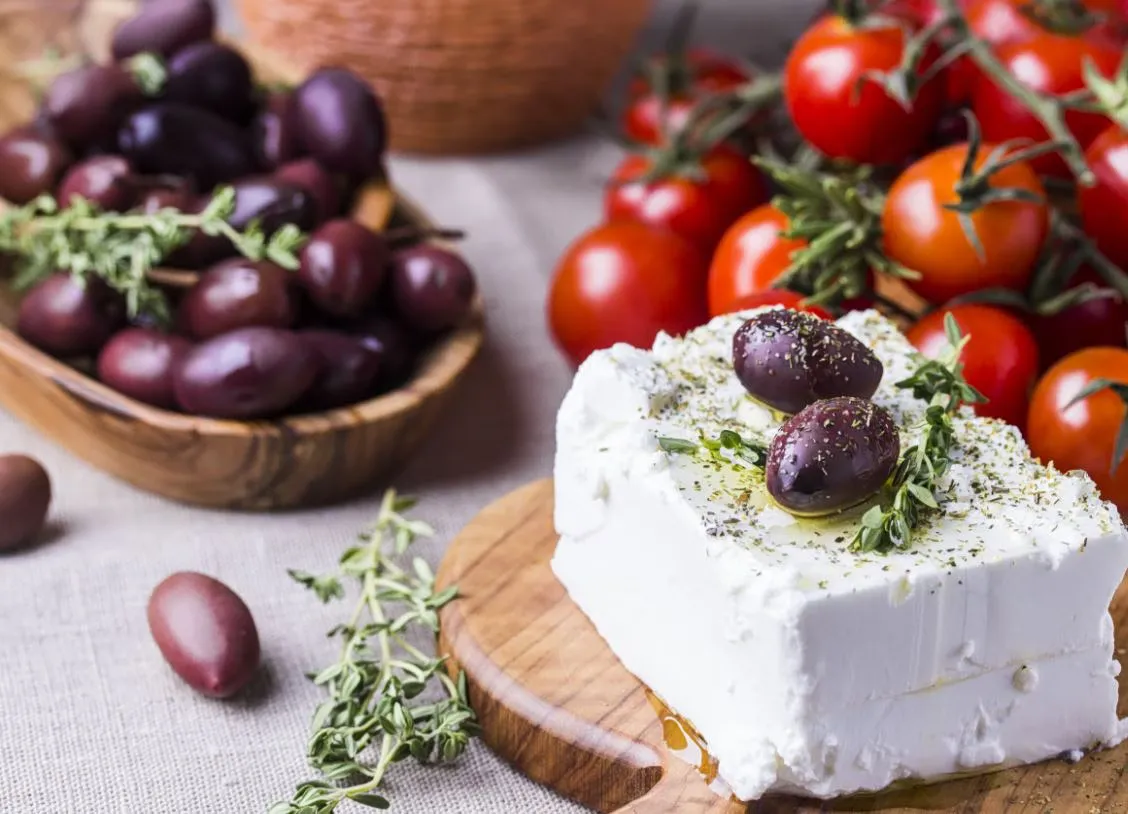
Feta cheese, low-fat yogurt, and olives constitute the primary drivers of the Greek food export sector in the UK. Each of these categories has shown resilience and growth in 2025, catering to the increasing British interest in healthy, Mediterranean-style eating habits.
The performance of these specific categories is detailed below:
- Feta Cheese: Maintaining its position as the third largest Greek export overall, feta cheese saw an 8.15% increase in value and a 10.19% increase in volume in 2025, reaching a total value of £79.07 million.
- Low-fat Yogurt: Products with less than 3% fat content have seen explosive growth. This category ranked second among exported foods, with a massive 68.15% increase in value and a 69.98% increase in volume compared to 2024, totaling £62.82 million.
- Olives: Prepared or preserved olives (without vinegar) hold the third spot in the food category. They recorded a value increase of 7.4% and a volume increase of 14.42% in 2025, with a total value of £41.48 million.
Beyond these top three, the export basket is diversifying to include olive oil, pasta, kiwifruit, peaches, bakery products, cereal-based preparations, meats, and fish. This breadth of products suggests that the Greek food sector is successfully moving beyond niche specialty items into more mainstream categories, leveraging the broad appeal of the Mediterranean diet to secure shelf space across various food groups.
How is the Greek wine sector performing in the UK?
Greek wine is experiencing a period of strong momentum, driven by a combination of increasing British demand for high-quality imports and relatively limited domestic production in the UK. This has allowed Greek wines to capture a larger share of a highly competitive market.
In 2025, exports of Greek wine to the UK grew by 6.7% in value and 3.6% in volume. The UK is one of the world's most significant wine importers, with 75.2% of its total wine import value (£2.8 billion) coming from European Union countries. Within this massive market, Greece has successfully improved its standing. In 2025, Greece climbed to 16th place among wine exporters to the UK, valued at £6.15 million, an improvement from its 20th place ranking in 2024. This upward trajectory indicates that Greek wines are gaining a stronger foothold against other international competitors, benefiting from the consumer's growing appetite for premium, imported varieties.
FAQ: Greek Food Exports to the UK
What percentage of Greek exports to the UK are food and beverages?
Food and beverage products represent approximately 30% of the total value of Greek goods exported to the United Kingdom. This sector is a cornerstone of the bilateral trade relationship between the two nations.
Which Greek food product saw the highest percentage growth in 2025?
Low-fat yogurt (containing less than 3% fat) experienced the most significant growth. It saw an impressive increase of 68.15% in value and 69.98% in volume compared to the previous year's figures.
Has the total value of Greek exports to the UK increased?
The total value of imports from Greece to the UK saw a minor decrease of 2.63% in 2025, falling to £1.54 billion from £1.58 billion in 2024. However, the physical volume of goods increased by 19.6%.
How has Greece's ranking in the UK wine market changed?
Greece has seen a notable improvement in the UK wine market. In 2025, Greece rose to the 16th position among wine exporters to the UK, up from 20th place in 2024.
What are the top three Greek food exports to the UK?
The top three categories are feta cheese, low-fat yogurt, and olives (specifically prepared or preserved without vinegar). These products lead the way in terms of both market value and consumer demand.
Key takeaways
- Food and beverages account for roughly 30% of Greek exports to the UK.
- Low-fat yogurt exports grew by over 68% in value during 2025.
- Feta cheese remains a top export, valued at £79.07 million in 2025.
- Greek wine exports rose to 16th place in the UK market in 2025.
- Total export volume to the UK increased by 19.6% in 2025.
The evolving landscape of Greek-British food trade
The data from 2025 illustrates a robust and expanding appetite for Greek products within the United Kingdom. While the total monetary value of trade experienced a slight contraction, the significant surge in export volumes—particularly in the yogurt and feta sectors—indicates a growing market penetration. The strategic link between Greek tourism and food consumption continues to serve as a powerful catalyst for export growth. As Greek wines climb the international rankings and the product range diversifies, the UK remains a critical pillar for the Greek agri-food industry's international expansion.







