How are student protests shaping the social climate in Athens?
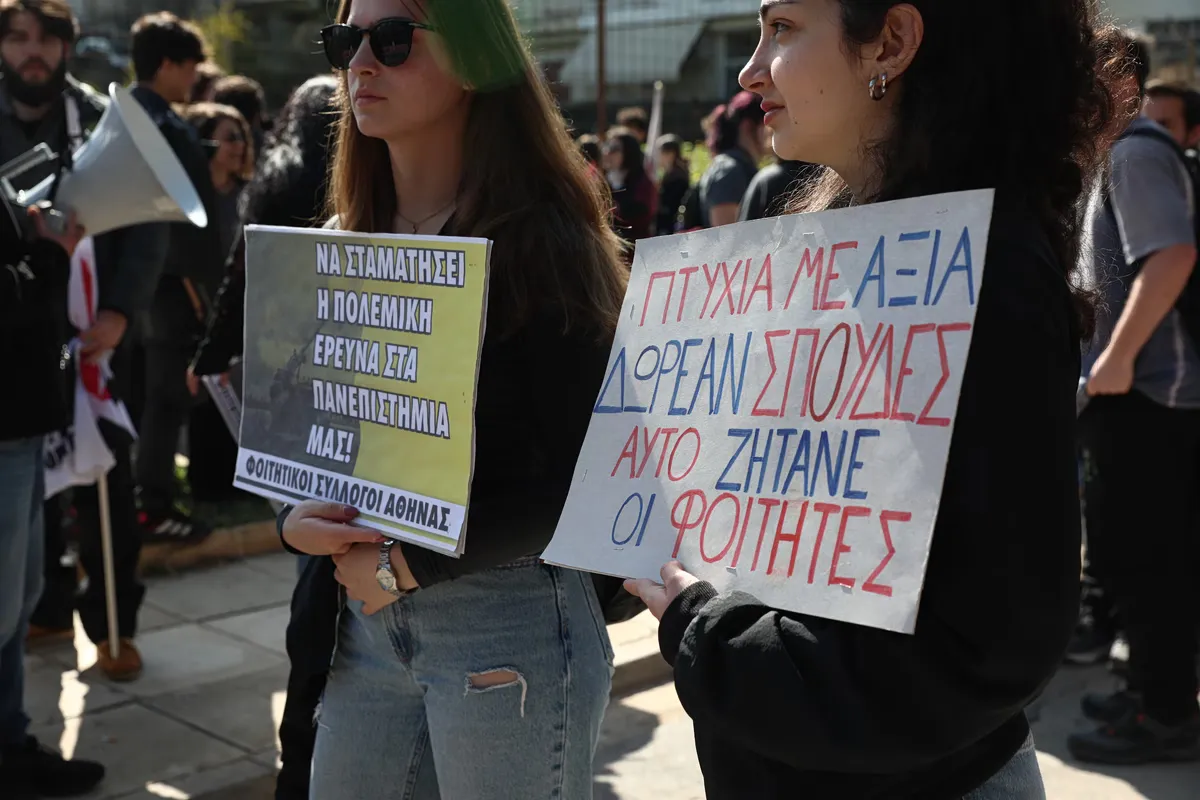
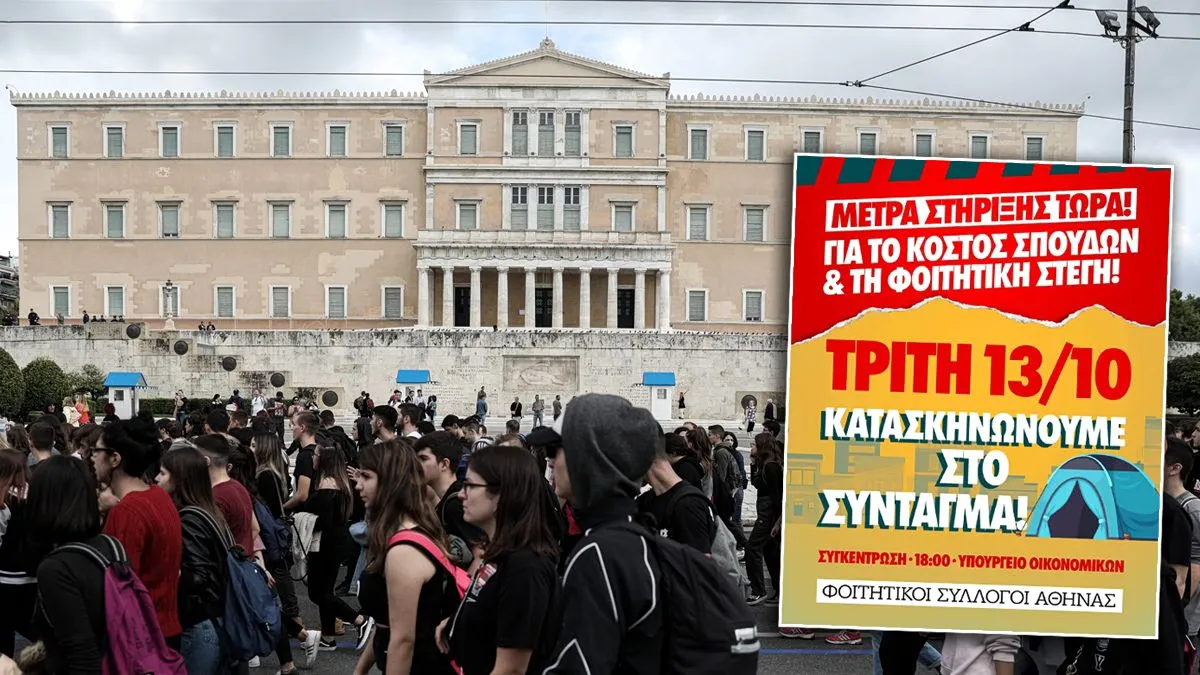
Student demonstrations in Athens are intensifying as young people confront the dual pressures of inflation and a severe housing crisis. On October 13, 2026, students organized a gathering near Syntagma Square, intending to camp out to voice their grievances. This movement is not an isolated Greek phenomenon but reflects a broader pan-European trend of youth and worker mobilization against economic instability.
The underlying cause of this unrest is the increasing difficulty for students to sustain their studies due to rising costs. Reports indicate that many high-achieving students are unable to enroll in medical schools or other higher education programs because they cannot afford the necessary living expenses. This economic barrier is creating a sense of profound injustice among the youth, who feel that their academic potential is being stifled by financial necessity.
The economic drivers of youth mobilization
The cost-of-living crisis has reached a point where basic necessities, including food and housing, are becoming inaccessible for many. This economic strain acts as a catalyst for political engagement, as students see their future prospects diminishing. The decision to protest in central Athens, specifically targeting Syntagma, serves as a symbolic attempt to force the government to address these systemic issues.
What is the impact of Ilias Kasidiaris on the 2027 elections?
The emergence of the "Alliance of Greeks," supported by Ilias Kasidiaris, is creating a strategic dilemma for the ruling New Democracy party. Political analysts suggest that the movement aims to siphon votes from the traditional right-wing base, specifically targeting the followers of Antonis Samaras. This maneuver is designed to manipulate voter behavior through the mechanics of electoral abstention.
The strategic goal of the Kasidiaris movement appears to be threefold. First, by potentially securing over 10% in polls, the movement could drive supporters of the current government toward abstention, thereby reducing the total vote share for New Democracy. Second, it places pressure on Antonis Samaras to formalize his own political party earlier than planned. Third, it forces the government to fight a battle on the far-right flank, preventing Prime Minister Kyriakos Mitsotakis from focusing his campaign on the political center.
The mechanics of electoral abstention
In the upcoming elections, whether scheduled for spring or summer 2027, the rate of voter abstention will be a decisive factor. If voters who previously supported New Democracy choose to abstain, the governing party's percentage will inevitably decline. Conversely, if the movement drives supporters of opposition parties toward abstention, New Democracy could see a relative increase in its share. This "game" of voter manipulation is central to the current political maneuvering at the Maximos Mansion.
How is the struggle for center-left dominance unfolding?
The battle for dominance within the Greek center-left has shifted significantly following the dissolution of SYRIZA and the subsequent rise of ELAS. While PASOK initially appeared to be reclaiming its position as the official opposition, the emergence of Alexis Tsipras's new formation has disrupted the traditional hierarchy. This shift has forced PASOK into a defensive posture, struggling to maintain its relevance against both the new ELAS and the specter of Tsipras.
Nikos Androulakis, leader of PASOK, has responded to this challenge by hardening the party's stance. His strategy involves a dual-track approach: positioning PASOK as the primary challenger to Kyriakos Mitsotakis while simultaneously engaging in intense "anti-Tsipras" rhetoric. This internal and external friction is exacerbated by the movement of personnel between the two parties, with PASOK officials frequently being accused of defecting to ELAS.
The internal fractures within PASOK
The climate within PASOK has been described as volatile, marked by intense ideological clashes and personal confrontations. The movement of former SYRIZA members into PASOK has created a complex web of allegiances and rivalries. As Androulakis attempts to consolidate his leadership, he must navigate the competing interests of party members who remain loyal to the old SYRIZA guard while trying to present a unified front against the ruling New Democracy.
What challenges does New Democracy face heading into 2027?
New Democracy is currently caught in a pincer movement, facing pressure from the rising far-right and a revitalized center-left. Despite claims from government spokespeople that the party maintains a stable lead of approximately 30-31%, the political reality is far more precarious. The government is struggling to manage the "Samaras factor," as the former Prime Minister continues to exert influence without having officially launched his own political vehicle.
The inability of prominent figures to consolidate the right-wing vote has left a vacuum that both Kasidiaris and Samaras are attempting to fill. This fragmentation means that Prime Minister Mitsotakis cannot simply focus on centrist voters; he must also defend his right flank against the "Alliance of Greeks" and manage the potential fallout from a Samaras-led movement. The political landscape is characterized by these overlapping conflicts, which threaten to destabilize the party's momentum.
Frequently asked questions
What is driving the student protests in Athens?
Students are protesting against the high cost of living and the housing crisis, which make it increasingly difficult for them to pursue higher education. These economic pressures have led to organized demonstrations and potential encampments in central Athens to demand government action.
How does Ilias Kasidiaris affect the 2027 elections?
The movement associated with Ilias Kasidiaris seeks to influence the election by potentially driving New Democracy voters toward abstention. This strategy aims to weaken the ruling party's percentage while simultaneously pressuring other right-wing figures like Antonis Samaras to launch their own parties.
Why is there tension between PASOK and ELAS?
The tension arises from a struggle for dominance in the center-left. Since the decline of SYRIZA, ELAS has emerged as a strong competitor, pushing PASOK down the rankings and forcing its leader, Nikos Androulakis, to adopt a more aggressive stance to reclaim territory.
What role does Alexis Tsipras play in the current landscape?
Alexis Tsipras remains a central figure by positioning himself as a direct opponent to Kyriakos Mitsotakis. His presence complicates the center-left landscape, as he competes with PASOK for the same voter base, leading to significant political friction.
What is the "Samaras factor" in Greek politics?
The "Samaras factor" refers to the political uncertainty caused by Antonis Samaras's potential new party. His delay in announcing a formal political movement creates a strategic headache for New Democracy, as they must contend with his influence on the right-wing electorate.
Key takeaways
- Student protests in Athens are fueled by the cost-of-living and housing crises.
- The "Alliance of Greeks" aims to influence the 2027 elections via voter abstention.
- PASOK is engaged in a fierce battle for center-left dominance against ELAS.
- New Democracy faces pressure from both the far-right and a shifting center-left.
- The 2027 electoral outcome will be heavily influenced by voter abstention rates.
Synthesis of the political outlook
The Greek political environment is entering a period of intense volatility as the 2027 elections approach. The convergence of social unrest among the youth and complex strategic maneuvers among political leaders creates a highly unpredictable landscape. With the rise of new political actors like ELAS and the potential impact of movements led by figures like Kasidiaris and Samaras, the traditional party lines are blurring. Success for any major party will depend on their ability to manage internal fractures while navigating a battlefield defined by shifting voter loyalties and economic discontent.