Why are student protests in Greece intensifying?
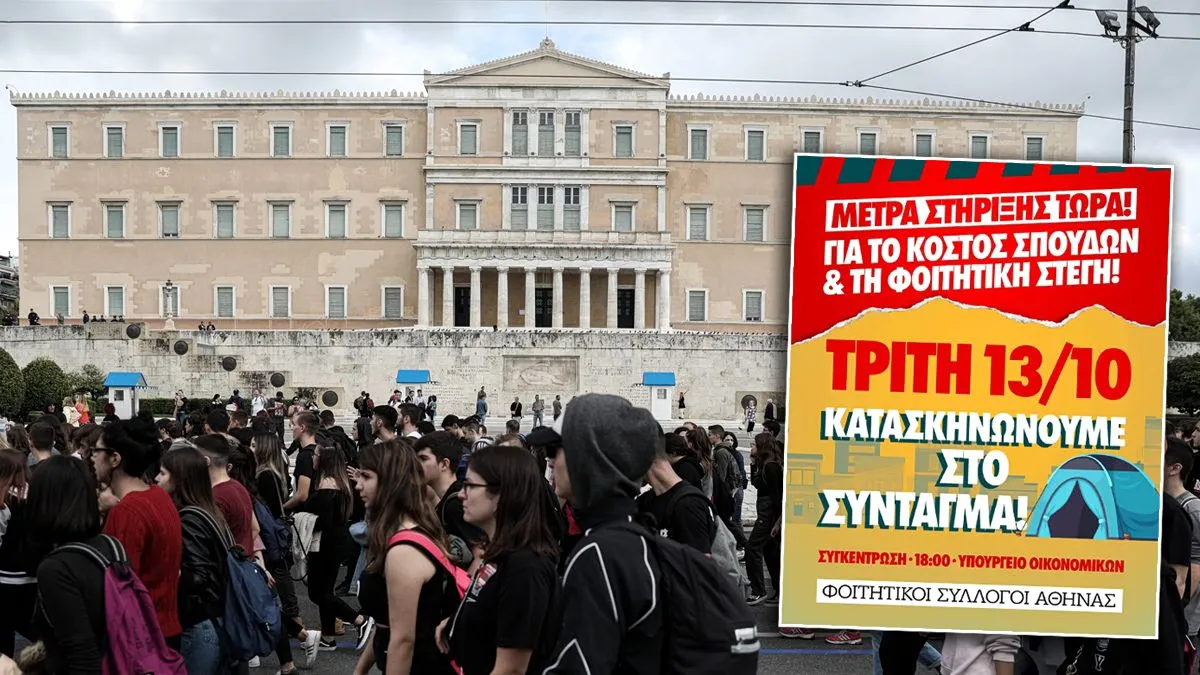
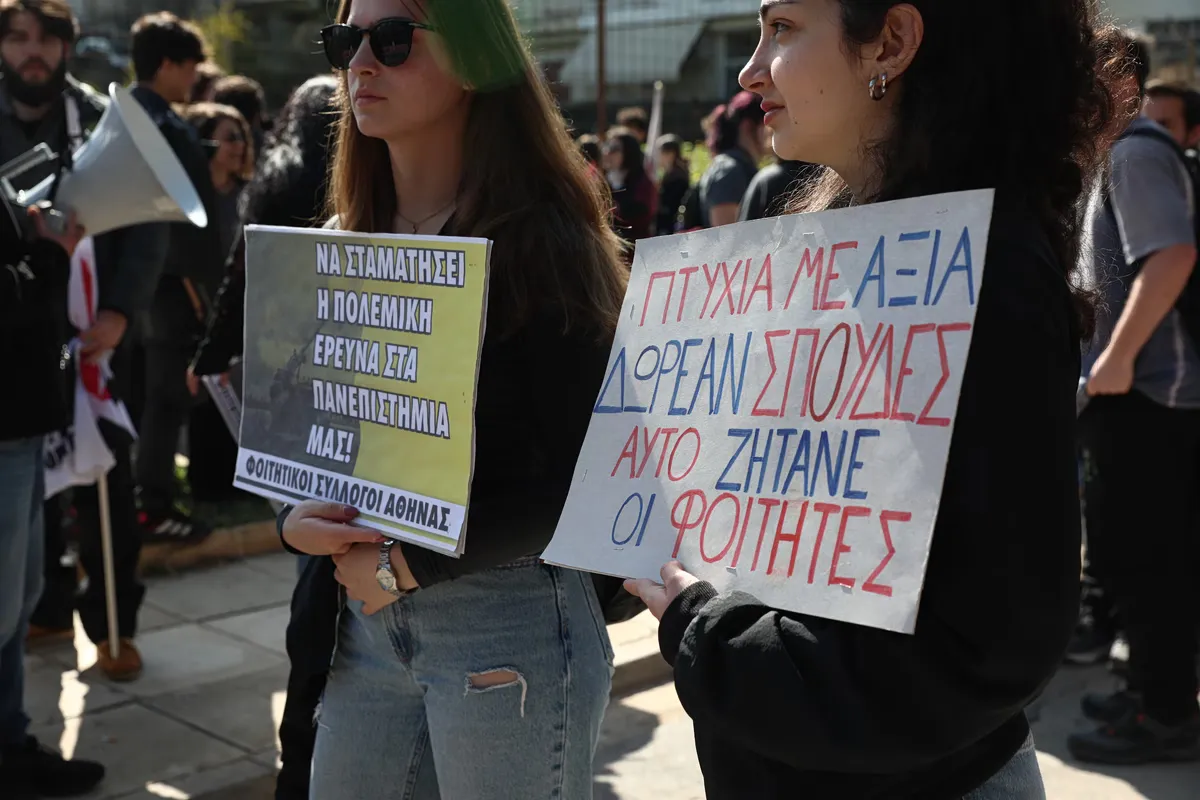
Student protests in Greece are driven by a combination of economic hardship and perceived systemic failures in the higher education sector. According to the SYRIZA-Progressive Alliance, students are currently facing a 'daily struggle' caused by the rising cost of living, specifically high rental prices and general inflation. These economic pressures are compounded by what the party describes as the chronic underfunding of Higher Education Institutions (HEIs).
The core of the current mobilization rests on the principle that the ability to pursue a degree should not be contingent upon a student's family income or their parents' financial resilience. Protesters are demanding a transition toward a truly public, free, and democratic university system that offers equitable access to knowledge. The current environment, characterized by insufficient student welfare and inadequate infrastructure, has created a sense of urgency among the youth to demand structural legislative changes.
The socio-economic barriers to education
The intersection of economic instability and academic pursuit has become a central theme in the current Greek political discourse. When students face high costs for basic necessities, their academic performance and retention rates are directly impacted. SYRIZA's position highlights that without intervention, higher education risks becoming an exclusive privilege rather than a fundamental right.
What are the specific funding demands from SYRIZA?
SYRIZA is calling for a massive injection of capital into the Greek educational system to stabilize and modernize it. The party's primary fiscal demand is to increase the total national funding for Education to 5% of the country's Gross Domestic Product (GDP). Within this framework, they propose a specific four-year roadmap to double the current funding levels for public universities.
Beyond simple budget increases, the party's platform focuses on the human and physical capital required to sustain a functional university system. This includes:
- Doubling Academic Staff: A plan to double the number of members of the Teaching and Research Staff (DEP) over a four-year period to address current shortages.
- Staffing Gaps: A commitment to filling existing vacancies in both teaching and administrative roles to ensure smooth institutional operations.
- Infrastructure Upgrades: A comprehensive program to modernize university facilities and academic infrastructure.
These measures are intended to move the Greek university system away from a state of crisis management and toward a model of sustainable growth and academic excellence.
How does the proposed student welfare plan work?
A central pillar of the SYRIZA-Progressive Alliance platform is the creation of a national plan for student housing and welfare. Recognizing that the housing crisis is a primary driver of student unrest, the party proposes utilizing public property to create affordable living spaces. This plan seeks to mitigate the impact of high private-market rents on the student population.
The proposed welfare package includes several interconnected components:
- New Student Dormitories: The construction of new residential facilities to increase the availability of state-provided housing.
- Housing Allowances: Strengthening and expanding current housing subsidies to better reflect the actual cost of living.
- Enhanced Student Catering: A substantive upgrade to free meal programs provided by universities to ensure food security for all students.
By addressing the basic needs of housing and nutrition, the party aims to reduce the financial barriers that currently prevent many students from completing their studies.
Addressing student attrition and academic barriers
The party also aims to reform the administrative and entry-level processes that currently hinder student success. One of the most significant proposals is the abolition of student expulsions (deletions from the registry). SYRIZA argues that students facing financial, familial, or other personal difficulties should receive institutional support rather than being removed from their programs.
What changes are proposed for university access and structure?
SYRIZA's educational platform includes several controversial proposals aimed at restructuring how students enter and interact with the higher education system. A major point of contention is the proposed abolition of the Minimum Admission Base (ELEV), which the party views as a mechanism of exclusion that prevents young people from accessing higher education based on arbitrary thresholds.
Furthermore, the party has taken a firm stance on the legal and institutional framework of Greek universities:
- Opposition to Private Universities: The platform calls for the abolition of the legal framework that allows for private universities, advocating instead for the strengthening of the public character of higher education.
- Constitutional Protection: An emphasis on defending Article 16 of the Greek Constitution, which establishes the public nature of higher education.
- Democratization of Governance: Promoting a 'democratic university' model that respects the autonomy of HEIs, protects academic freedom, and ensures meaningful participation from the entire university community.
Additionally, the party envisions expanding the scope of higher education by proposing free postgraduate studies and increasing investment in research to secure the professional rights of graduates.
Frequently asked questions
What is the main goal of the SYRIZA education policy?
The primary goal is to establish a public, free, and democratic university system. This involves increasing education funding to 5% of GDP, doubling university budgets over four years, and ensuring that academic access is not determined by a student's socio-economic background.
How does SYRIZA plan to solve the student housing crisis?
The party proposes a national plan for student housing and welfare. This includes building new dormitories, utilizing public property for affordable housing, increasing housing allowances, and upgrading free meal services to support students facing high living costs.
What is the party's stance on private universities in Greece?
SYRIZA opposes the establishment of private universities. They advocate for the abolition of the current legal framework for private institutions and call for the reinforcement of the public character of higher education, as protected by Article 16 of the Constitution.
How will the party address the shortage of university staff?
The proposal includes doubling the number of teaching and research staff (DEP) over a four-year period. This plan also aims to fill existing gaps in both academic and administrative personnel to improve the quality of university operations.
What does the proposal say about student expulsions?
The party calls for the abolition of student expulsions (deletions). Instead of removing students, the plan suggests providing substantial support to those facing financial, family, or other personal hardships during their studies to help them remain in the system.
Key takeaways
- SYRIZA proposes increasing national education funding to 5% of GDP.
- The plan calls for doubling public university funding and academic staff over four years.
- A national student housing and welfare plan is a core demand to combat high rents.
- The party advocates for the abolition of private universities to protect the public system.
- Proposals include removing the Minimum Admission Base to increase access.
The future of Greek higher education
The current student mobilizations in Greece represent a significant moment of political and social friction. The demands voiced by the protesters, and the policy responses offered by the SYRIZA-Progressive Alliance, highlight a deep-seated need for reform in how the state manages higher education. Whether the focus remains on increasing raw funding or on structural changes like the abolition of private institutions and entry thresholds, the central issue remains clear: the sustainability of the public university model in the face of modern economic pressures. The outcome of these political debates will likely shape the accessibility and quality of Greek education for the next generation.