
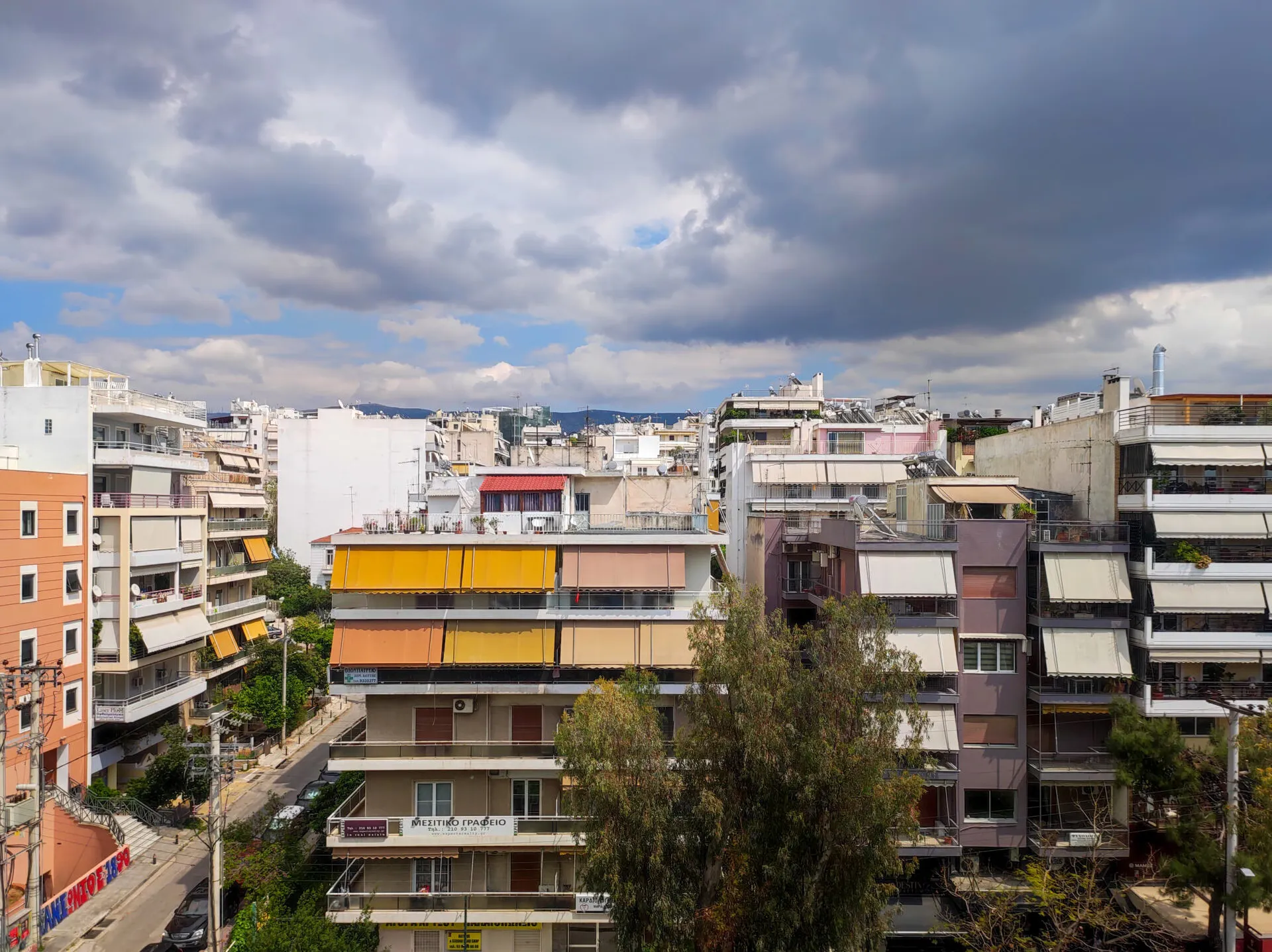
Why is there a rush in the Greek real estate market?
A significant acceleration in property transfers is currently being observed as investors attempt to finalize deals before new tax regulations take effect. The Greek government has announced plans to increase the property transfer tax from 3% to 15% for specific residential acquisitions made by citizens from non-EU countries. This legislative change is slated to be voted on in the coming days and is scheduled to become law on July 1, 2027.
The long lead time between the announcement and the implementation date has created a strategic window for international buyers. Real estate industry insiders report a sense of urgency, with investors rushing to complete purchases under the current 3% tax regime. This 'rally' of transfers is a direct response to the anticipated cost increase, as the market seeks to adjust to the new fiscal landscape. The current atmosphere is described by those in the real estate sector as a 'frenzy' as buyers attempt to secure assets at the lower rate.
The role of legislative timing
The decision to set the implementation date for mid-2027 provides a period of transition for the real estate sector. This window allows professional agencies and legal advisors to guide clients through the complexities of the changing law. However, the uncertainty regarding the final wording of the legislation remains a point of focus for industry leaders.
The upcoming vote in the coming days will be a critical milestone. While the 2027 deadline offers breathing room, the mere announcement has already altered market behavior. Industry professionals are closely monitoring the legislative process to understand exactly how the law will be structured and whether any specific nuances will be introduced during the voting stage.
What are the implications for non-EU investors?
The proposed tax hike targets a specific demographic of the market: third-country nationals who are not residents of the European Union. While the tax increase significantly raises the entry cost for this group, experts suggest that the fundamental drivers of the Greek market may remain intact. Giorgos Gabrielidis, CEO of Elxis, noted that the industry is closely monitoring the legislative process for any potential modifications.
One potential adjustment being discussed is the exclusion of certain regions from the higher tax rate. Gabrielidis suggested that areas located outside of major urban centers, which do not experience significant housing pressure, might be exempt from the 15% rate. This distinction could prevent the tax from impacting less saturated markets. Regardless of these nuances, the expectation is a sharp increase in decision-making by non-EU buyers in the months leading up to the deadline.
Corina Saia, CEO of Premier Realty, emphasized that the luxury real estate market in Attica will be watching these developments closely. She noted that while the tax increase affects a vital segment of the international clientele, it does not negate the structural advantages that make Athens an attractive destination. These include:
- Relative affordability compared to other European capitals.
- Strategic geographical location.
- High levels of safety and security.
These core strengths are expected to continue attracting international capital, even as the cost of entry for specific buyers rises.
How has the Golden Visa program shaped demand?
The Golden Visa program remains a cornerstone of foreign interest in Greek property, with specific nationalities driving the majority of residency-by-investment applications. According to official data from the Ministry of Migration and Asylum for August, Chinese investors continue to lead the rankings, having secured 12,664 residence permits through the program. This highlights Greece's strategic importance as a gateway to the European Union for Asian capital.
The demand profile shows a diverse range of international interest, often driven by domestic economic conditions in the investors' home countries. The following data illustrates the distribution of Golden Visa permits by nationality as of August 2026:
| Nationality | Number of Permits Issued |
|---|---|
| China | 12,664 |
| Turkey | 5,104 |
| Lebanon | 1,169 |
| Iran | 1,010 |
| Israel | 849 |
| United Kingdom | 840 |
The high number of permits issued to Turkish nationals is frequently attributed to the economic crisis in Turkey, which drives many to seek stability through the Greek real estate market. This trend underscores the role of property ownership not just as an investment, but as a mechanism for securing residency and economic security. The concentration of permits among these specific groups demonstrates the programmatic impact of the Golden Visa on the broader real estate landscape.
What is the outlook for property prices in Greece?
Market analysts warn that the current rally in property prices has not yet reached its peak. Morningstar DBRS anticipates that prices will continue their upward trajectory, primarily driven by a persistent imbalance between supply and demand. Despite the upcoming tax changes, the underlying shortage of available housing continues to exert upward pressure on valuations.
However, the pace of these increases may face headwinds in the medium term. Analysts suggest that several factors could moderate the rate of growth, potentially limiting demand more than previously expected. These factors include:
- Increased pressure on housing affordability for local residents.
- High construction costs that impact new developments.
- The prolonged period of higher interest rates.
According to data from the Bank of Greece, foreign direct investment in Greek real estate reached approximately €2.05 billion in 2025, within a total transfer value of €23.5 billion. This massive volume of activity demonstrates the scale of the sector and its sensitivity to fiscal policy changes.
Key takeaways
- A new 15% transfer tax for non-EU citizens will be implemented on July 1, 2027.
- The tax hike from 3% to 15% is driving a surge in current property transfers.
- Chinese investors remain the largest group in the Golden Visa program with 12,664 permits.
- Property prices are expected to rise further due to supply and demand imbalances.
- High interest rates and construction costs may eventually slow the rate of price increases.
Frequently asked questions
When does the new 15% property tax start?
The new tax rate is scheduled to take effect on July 1, 2027. This timeline follows the expected parliamentary vote on the measure in the coming days, providing a window for current investors to complete transactions under the existing 3% rate before the deadline.
Who will be affected by the tax increase?
The tax increase specifically targets third-country nationals (non-EU citizens) purchasing certain types of residential properties. While the measure aims to regulate specific segments of the market, industry experts are discussing whether certain non-urban areas might be exempt from the higher rate.
Which nationalities are most active in the Golden Visa program?
Chinese investors are currently the most active, holding 12,664 permits. They are followed by Turkish investors with 5,104 permits, Lebanese investors with 1,169, and Iranian investors with 1,010. These figures reflect the diverse international interest in Greek residency programs.
Will the tax hike stop people from buying in Athens?
Most experts believe the tax hike will increase entry costs but will not stop investment. The structural benefits of Athens, such as its safety, location, and relative affordability compared to other major European cities, continue to make it a highly attractive destination for international capital.
What is driving the rise in Greek property prices?
The primary driver of rising prices is a persistent imbalance between supply and demand. While Morningstar DBRS expects prices to continue rising, they note that high construction costs and sustained high interest rates could eventually moderate the speed of these increases.
Conclusion
The Greek real estate market is entering a period of significant transition. The impending shift from a 3% to a 15% transfer tax for non-EU citizens is creating an immediate surge in transaction volumes as investors move to capitalize on current rates. While this change increases the cost of entry for international buyers, the fundamental attractiveness of the Greek market—bolstered by the Golden Visa program and the structural advantages of locations like Athens—remains strong. Moving forward, the market must balance this international demand against rising construction costs and the need for long-term affordability.







