
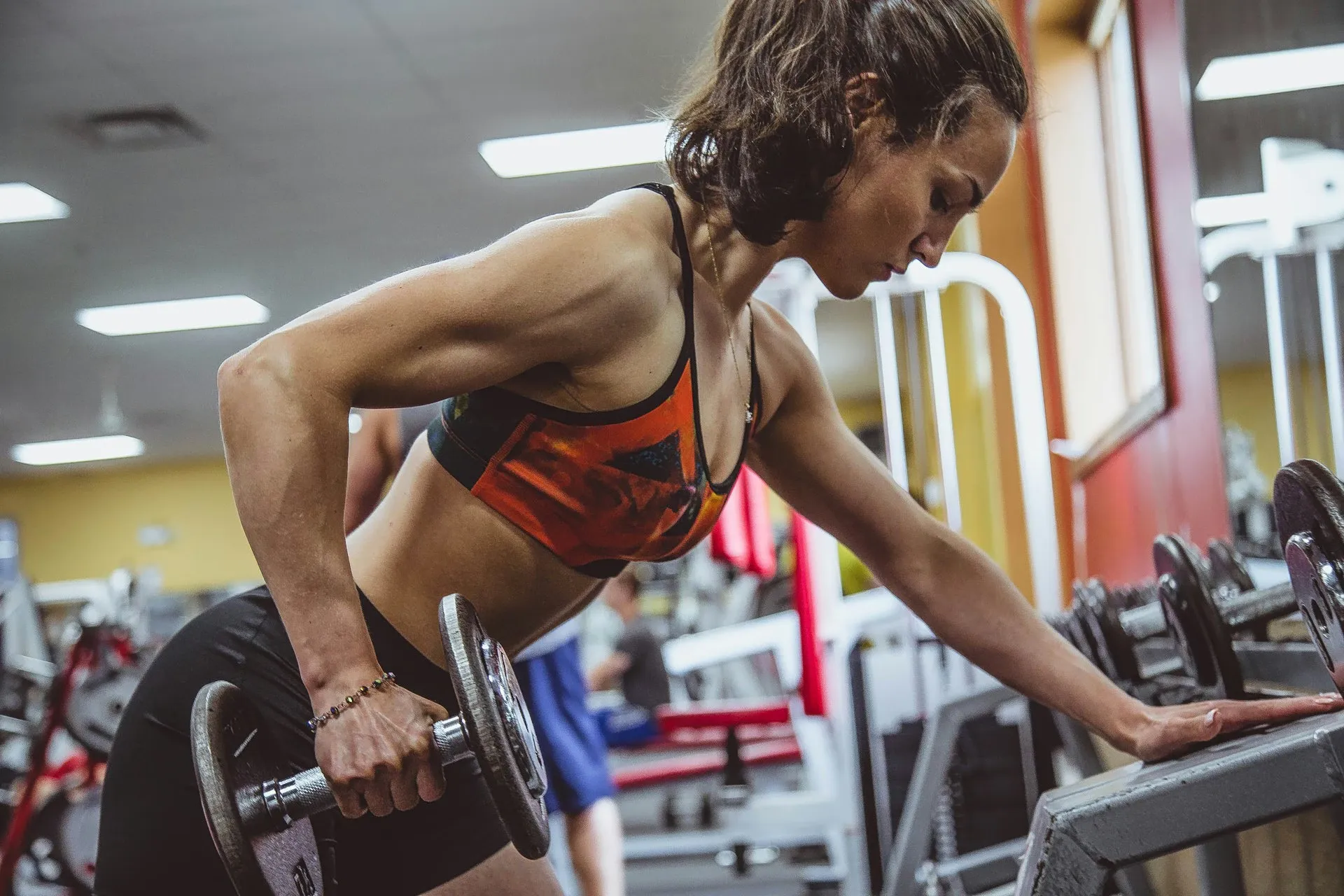
How should a beginner choose gym clothing and gear?
Choosing the right attire is a foundational step that impacts both physical performance and psychological readiness. While many view gym clothes as purely functional, research suggests they play a deeper role in how an individual approaches their workout.
The psychology of athletic wear
According to a study published in the Journal of Experimental Social Psychology, the clothing an individual wears can subconsciously influence their posture and behavior. For a beginner, wearing dedicated athletic gear can act as a psychological trigger, signaling to the brain that it is time to focus and perform. This mental shift can provide the necessary motivation to engage in more intense or effective training sessions.
Beyond the mental aspect, functional clothing is vital for movement. Selecting appropriate shorts or leggings that allow for a full range of motion prevents restriction during complex exercises. High-quality, moisture-wicking fabrics also help manage sweat, ensuring that clothing does not become heavy or uncomfortable during prolonged sessions.
When is it time to replace athletic footwear?
Replacing worn-out shoes is critical for preventing musculoskeletal discomfort and injury. As athletic shoes age, they lose their structural integrity and their ability to absorb the repetitive impact generated during exercise.
Failure to replace footwear can lead to noticeable pain in specific areas of the body, most commonly the knees and hips. These joints bear the brunt of the impact that the shoe's cushioning is designed to mitigate. When the cushioning fails, the shock is transferred directly to the skeletal system.
How to inspect your shoes for wear
A practical way to determine if your shoes are still safe for training is to inspect the soles. Examine the tread pattern on the bottom of the shoe; if the pattern is significantly worn down or uneven, the shoe has lost its traction and support capabilities. If you notice the tread is smoothing out in specific areas, it is an indication that the shoe is no longer providing the necessary stability for your gait, and replacement is recommended.
Why is hydration vital for gym performance?
Maintaining adequate hydration is one of the most important factors in sustaining energy levels and protecting bodily functions during exercise. Sweating leads to a direct loss of fluids, which must be replenished to avoid a decline in physical output.
A well-hydrated individual will naturally experience better performance compared to someone suffering from even mild dehydration. Water serves several physiological purposes during a workout:
- Joint Lubrication: Water provides the necessary lubrication for joints, which helps reduce strain and friction during movement.
- Temperature Regulation: It assists the body in maintaining a stable internal temperature, preventing overheating.
- Tissue Protection: Hydration supports the protection of the spinal column and various soft tissues.
- Metabolic Support: Water is essential for maintaining normal intestinal function and overall metabolic efficiency.
The risks of neglecting hydration are significant. According to the Centers for Disease Control and Prevention (CDC), insufficient water intake can lead to serious health complications, including dehydration and overheating.
What should you eat before and after training?
Nutrition acts as the fuel for your workouts and the building blocks for recovery. Timing your meals around your training sessions can significantly influence how much energy you have and how quickly your muscles repair themselves.
Pre-workout fueling strategies
To ensure the body has sufficient energy during exercise, it is recommended to consume a balanced meal rich in carbohydrates approximately one to two hours before starting a workout. Carbohydrates are the primary energy source for the body during physical exertion. By consuming them in advance, you provide the glucose necessary to power your muscles and prevent premature fatigue.
Post-workout recovery and nutrition
The period following a workout is a critical window for muscle repair and nutrient replenishment. To maximize the benefits of your training, you should aim to eat a meal containing both carbohydrates and proteins within 30 minutes to two hours after finishing your session.
While carbohydrates replenish the energy stores (glycogen) depleted during the workout, protein provides the amino acids required for muscle protein synthesis. This combination helps to mitigate muscle breakdown and facilitates faster recovery, allowing you to return to your routine more effectively.
How can you maintain gym bag hygiene?
Managing your gym bag and clothing is essential for preventing the growth of bacteria and maintaining personal hygiene. A gym bag can quickly become a breeding ground for microbes if not handled correctly.
To maintain a clean environment, follow these practical steps:
- Separate wet gear: Place sweaty clothes and damp shoes in separate, dedicated bags or pouches within your main gym bag to prevent moisture from spreading.
- Empty the bag daily: Once you return home, remove all used items immediately. Allowing damp items to sit in a closed bag encourages bacterial growth and unpleasant odors.
- Clean and air out: Regularly wash your gym bag and ensure it is aired out to prevent lingering smells and mold.
- Proper storage: In the gym, avoid leaving your bag on the locker room floor. Instead, hang it up or keep it inside your locker to keep it off potentially unsanitary surfaces.
Key takeaways
Key takeaways
- Wear dedicated athletic clothing to potentially improve psychological focus and physical movement.
- Inspect shoe soles regularly and replace them once tread is worn to protect knees and hips.
- Drink water consistently to support joint lubrication, temperature regulation, and prevent overheating.
- Consume carbohydrates 1-2 hours before exercise to provide essential energy for training.
- Eat a combination of protein and carbohydrates within two hours post-workout to aid muscle recovery.
Frequently asked questions
FAQ: Gym Beginner Guide
How does clothing affect my workout?
Clothing affects both physical and mental aspects of training. Functional gear allows for better movement, while the psychological effect of wearing athletic attire can subconsciously improve your posture and mental focus, potentially increasing your motivation and effectiveness during the session.
How often should I buy new gym shoes?
There is no fixed timeframe, but you should replace them when you notice physical wear on the soles or experience joint discomfort. If the tread is smoothed out or the cushioning feels flat, the shoes can no longer protect your knees and hips from impact.
What happens if I don't drink enough water?
Insufficient water intake can lead to dehydration and overheating, according to the CDC. Dehydration can also decrease your physical performance, cause joint strain due to lack of lubrication, and negatively impact your body's ability to regulate temperature during intense activity.
Can I eat immediately after the gym?
Yes, eating within 30 minutes to two hours after your workout is ideal. This window is important for replenishing depleted energy stores with carbohydrates and providing the protein necessary for muscle tissue repair and recovery after the stress of exercise.
Why are carbohydrates important for exercise?
Carbohydrates serve as the body's primary source of energy during physical activity. Consuming them before a workout ensures that your muscles have the fuel required to perform, while consuming them afterward helps to restore the energy levels that were used up during training.
Conclusion
Starting a fitness journey is a transformative step for long-term health, but success is often found in the small, disciplined details of preparation and recovery. By selecting appropriate clothing, maintaining footwear, staying hydrated, and following strategic nutritional guidelines, beginners can create a safe and sustainable environment for growth. Understanding the physiological needs of the body—from joint lubrication to muscle repair—turns a daunting task into a manageable and rewarding routine. Prioritizing these foundational habits will not only enhance immediate performance but also protect against injury, ensuring a consistent and healthy approach to physical fitness.







