
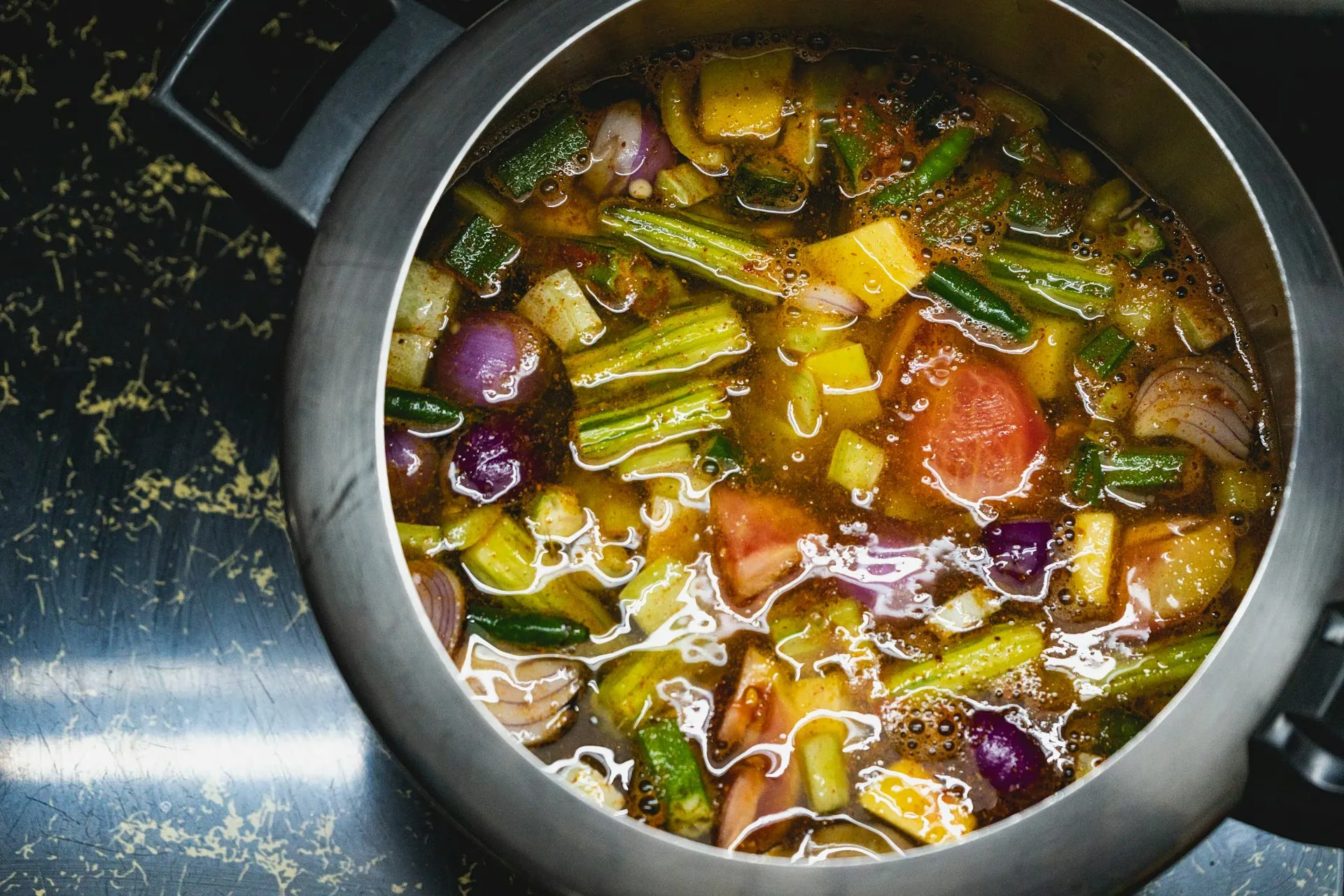
Essential ingredients for a fragrant vegetable stew
Creating a high-quality vegetable stew begins with selecting fresh, vibrant produce that can withstand slow cooking. To achieve the authentic flavor profile of a traditional ratatouille, you will need a specific set of aromatic vegetables and herbs. The foundation of this dish relies on the sweetness of peppers and the richness of tomatoes.
For this recipe, ensure you have the following items ready:
- Peppers: One red bell pepper and one yellow bell pepper.
- Aromatics: One large onion and two cloves of garlic.
- Vegetable Base: Eggplant and zucchini (to be diced).
- Tomato Component: 400g of grated or concassé tomatoes.
- Healthy Fats: 2 tablespoons of olive oil.
- Dried Herbs: 1 teaspoon each of oregano, thyme, and basil.
- Seasoning: Salt and pepper to taste.
- Garnish: Fresh parsley or fresh basil for serving.
Using high-quality olive oil and fresh herbs is crucial, as they form the aromatic backbone of the stew, ensuring every bite is infused with Mediterranean character.
Step-by-step preparation and cooking process
The secret to a successful vegetable stew lies in the order of operations and the careful management of heat. Proper preparation ensures that each vegetable is cooked to its ideal consistency rather than turning into a uniform mush.
Initial Sautéing and Aromatics
Begin by preparing your vegetables. Cut the eggplant, zucchini, and bell peppers into medium-sized cubes. Finely chop the onion and the garlic cloves. In a large pot or a deep frying pan, heat the olive oil and sauté the chopped onion for approximately 2 to 3 minutes. Once the onion has softened, add the garlic and continue to stir until the aroma is released, being careful not to burn it.
Developing the Vegetable Base
Next, add the diced eggplant, zucchini, and bell peppers to the pot. Sauté these vegetables for about 8 to 10 minutes, stirring regularly to ensure even cooking. This stage is vital for developing the base flavors before the liquid is introduced.
Slow-Cooking to Perfection
Once the vegetables have been sautéed, pour in the 400g of tomatoes and add the dried oregano, thyme, and basil, along with salt and pepper. Reduce the heat to low, cover the pot with a lid, and allow the stew to simmer gently for 25 to 30 minutes. This slow-cooking phase allows the vegetables to soften and the sauce to thicken and bind the ingredients together.
Expert tips for texture and serving
Achieving the perfect texture is what distinguishes a mediocre stew from a professional-grade ratatouille. Many home cooks make the mistake of overcooking their vegetables, resulting in a loss of structural integrity.
A key professional tip is to avoid over-boiling the vegetables. Instead, allow them to simmer slowly until they are tender but still retain their shape slightly. This technique ensures that every spoonful offers a variety of textures and distinct flavors, providing a more engaging eating experience. When the vegetables are cooked through and the sauce has reached a rich consistency, the dish is ready.
For serving, this aromatic ratatouille can be enjoyed either hot or lukewarm. To elevate the presentation and add a burst of freshness, garnish the dish with finely chopped fresh parsley or fresh basil. This addition provides a bright contrast to the deep, cooked flavors of the stew.
Frequently Asked Questions
Can I substitute the vegetables in this recipe?
Yes, you can easily adapt this recipe based on seasonal availability. While eggplant, zucchini, and peppers are traditional for a ratatouille-style stew, you could include carrots, potatoes, or mushrooms. Just ensure you adjust the cooking times to account for the different densities of the new vegetables.
How should I store leftover vegetable stew?
Leftover stew can be stored in an airtight container in the refrigerator for several days. The flavors often deepen after a day or two of resting. When reheating, do so gently on the stovetop or in the microwave to prevent the vegetables from breaking down further.
Is this dish suitable for a vegan diet?
This recipe is naturally vegan, as it relies entirely on plant-based ingredients like vegetables, olive oil, and herbs. It serves as an excellent, protein-light, and highly nutritious meal for anyone following a vegan or vegetarian lifestyle, provided you use high-quality olive oil for the sautéing process.







