
How did the storms impact the Ierapetra region?
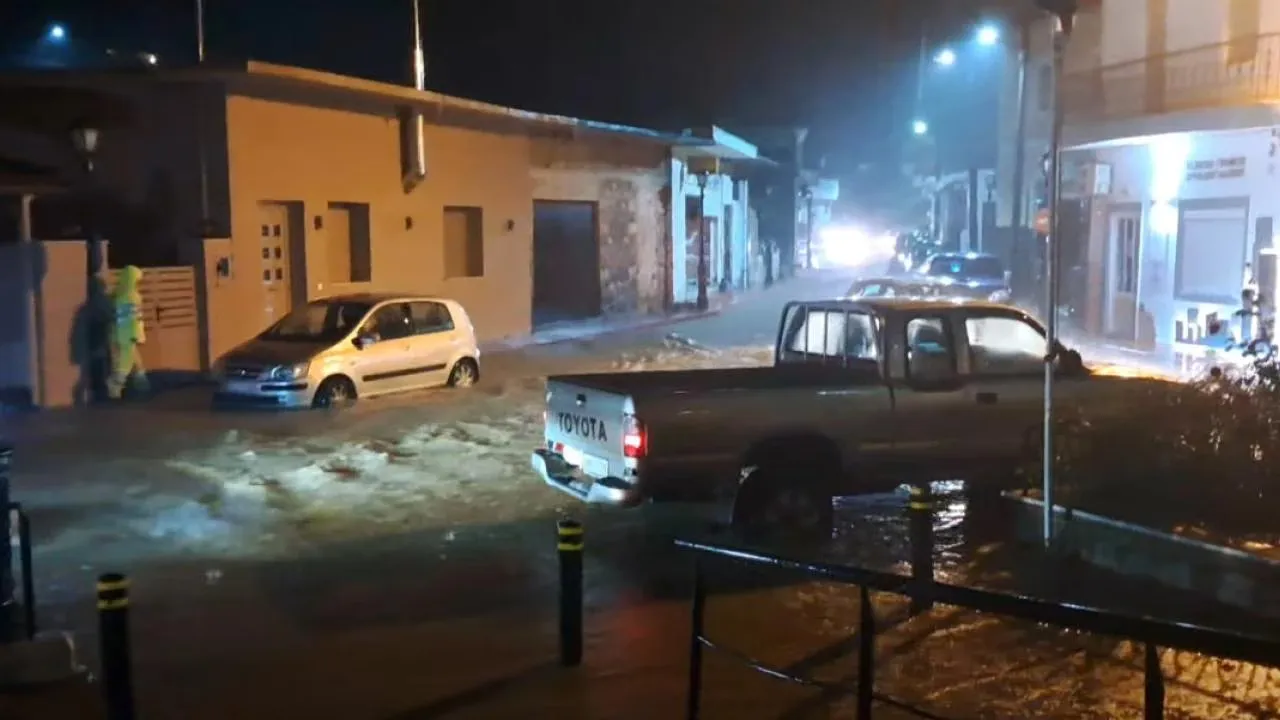
The Ierapetra region experienced a night of intense meteorological activity that turned local infrastructure into hazardous zones. Torrential rains caused roads to transform into rapid torrents, creating immediate risks for residents and travelers alike. The Fire Service reported a night of continuous operations, conducting dozens of rescues for citizens trapped by rising waters.
The scale of the event was particularly visible in the Ferma area, where water levels rose with dangerous speed. The combination of heavy precipitation and the influx of debris from the torrents created a volatile environment for emergency responders and those caught in the path of the floodwaters. The intensity of the phenomena meant that even local emergency resources faced significant logistical hurdles. The sheer volume of water and the speed at which it moved turned standard roadways into unpredictable torrents, leaving little time for residents to react to the sudden change in conditions.
What were the most critical rescue operations?
Emergency services conducted high-stakes rescues in Ferma, where more than 20 individuals found themselves stranded inside their vehicles. These citizens were unable to escape as the torrents and debris blocked their paths, necessitating intervention from the Fire Service. The rapid rise in water levels meant that many were caught completely off guard.
Among the 23 people successfully rescued during these operations were four German tourists. The group, traveling in a mini-van, utilized the 112 emergency number around 11:00 PM to request urgent assistance. Five firefighters arrived at the scene using two specialized vehicles, successfully navigating the conditions to reach the vehicle and transport the passengers to safety. This operation was a critical success in an otherwise chaotic night of emergency calls, preventing a potentially fatal situation for the tourists caught in the surge.
Emergency medical responses in flooded zones
The flooding also complicated medical logistics in the region. An ambulance from the Sitia EKAV unit was required to reach Ferma to transport a woman to the hospital. Although an ambulance from Ierapetra was geographically closer, the severity of the flooding and the intensity of the weather phenomena rendered the local route impassable. This forced a longer response from Sitia to ensure the patient could be reached.
While the woman was not in critical condition and the incident was not deemed life-threatening, the emergency transport was considered essential due to the environmental hazards. The inability to use primary local routes highlights the vulnerability of the region's medical access during extreme weather events. The logistical challenge of reaching Ferma from Ierapetra underscores how quickly extreme weather can isolate communities and disrupt vital emergency services.
What is the extent of the damage to property and businesses?
Residential and commercial areas, particularly in Koutsoura, suffered significant flooding during the storm. The Fire Service received dozens of calls from residents requesting assistance with water extraction from basements and ground floors of homes and shops. The suddenness of the rainfall meant that many properties were inundated before residents could take preventative measures.
Emergency crews worked across multiple locations to assist inhabitants and manage the removal of water from inundated properties. The damage to the built environment remains a primary concern for local authorities as they assess the structural impact of the sudden water influx. The sheer volume of water entering homes and businesses in Koutsoura suggests a long period of cleanup and potential repair for the community. Beyond the immediate cleanup, the long-term economic impact on local shop owners and homeowners remains to be seen as the full extent of the water damage becomes clear.
How has the agricultural sector been affected?
The agricultural landscape in the Lasithi Plateau and Tzermiado has sustained heavy losses due to the flooding. Large expanses of farmland were submerged, leading to the immediate degradation of essential crops. The flooding has not only damaged the current harvest but has also altered the physical landscape of the farms.
According to local reports, the flooding has caused tons of potatoes and various vegetables to rot. Furthermore, the massive accumulation of mud and debris has made it nearly impossible for farmers to access their fields to assess or mitigate the damage. The loss of these crops represents a significant blow to the local agricultural economy. The local municipality is currently evaluating the possibility of declaring the area a state of emergency, with formal damage assessments scheduled to begin in the coming days. The combination of rotting produce and the physical barrier of mud and debris creates a dual crisis for the farming community.
What are the current weather warnings for Crete and the Aegean?
The Hellenic National Meteorological Service (EMY) has maintained an emergency bulletin regarding dangerous weather phenomena. Intense rainfall and thunderstorms are expected to continue across Crete on Saturday, October 3, 2026, with additional risks appearing in the Dodecanese from the afternoon.
The Aegean region is also facing severe meteorological challenges. The following table outlines the current warnings provided by meteorological authorities:
Additionally, the National Observatory of Athens / Meteo has issued a warning for a new cycle of intense precipitation, specifically highlighting the risk of very high rainfall levels in the mountainous and semi-mountainous parts of the island. This suggests that the weather instability is far from over for the Cretan interior, as the high-altitude areas remain particularly vulnerable to these new cycles of intense rain.
FAQ: Extreme weather in Crete
Were there any injuries reported during the floods?
No fatalities or serious injuries were reported during the peak of the storm. While several people, including German tourists and a local woman, required emergency rescue or medical transport, all individuals were successfully moved to safety without life-threatening complications.
How did the flooding affect the local economy?
The local economy faces significant setbacks due to the destruction of crops and damage to businesses. Large quantities of potatoes and vegetables have rotted, and many shops in areas like Koutsoura suffered water damage to their premises.
Is the state of emergency being declared?
The local municipality is currently examining the possibility of declaring a state of emergency. This decision will likely depend on the results of the official damage assessment process, which is expected to commence in the following days.
What caused the roads to become impassable?
The roads became impassable because the intense rainfall turned them into rapid torrents. These torrents carried large amounts of mud and debris, which blocked access to various areas and trapped vehicles in the path of the water.
Will the bad weather continue in Crete?
Yes, weather warnings remain in effect. The EMY and Meteo have warned of continued heavy rain and thunderstorms, particularly in the mountainous regions of Crete, as well as strong winds in the Aegean.
Key takeaways
- Dozens of people were rescued in Ierapetra, including four German tourists in a mini-van.
- Significant agricultural damage has occurred, with tons of potatoes and vegetables rotting in submerged fields.
- Flooding has heavily impacted residential and commercial properties in Koutsoura and Ferma.
- The EMY has issued emergency warnings for continued heavy rain and high winds across Crete and the Aegean.
The path to recovery in Crete
The immediate priority for the Ierapetra region remains the management of the ongoing weather risks and the stabilization of affected communities. As the waters recede, the focus will shift from emergency rescue to the massive task of infrastructure repair and agricultural loss assessment. The potential declaration of a state of emergency underscores the severity of the impact on both the local population and the regional economy. For now, residents must remain vigilant as meteorological services predict continued instability across the Cretan landscape.
| Region | Warning Type | Expected Conditions |
|---|---|---|
| Crete | Emergency Bulletin | Heavy rain and thunderstorms; high rainfall in mountainous areas |
| Aegean | Extreme Winds | Northeasterly winds reaching 8 to 9 Beaufort |
| Dodecanese | Emergency Bulletin | Heavy rain and storms (starting Saturday afternoon) |







