
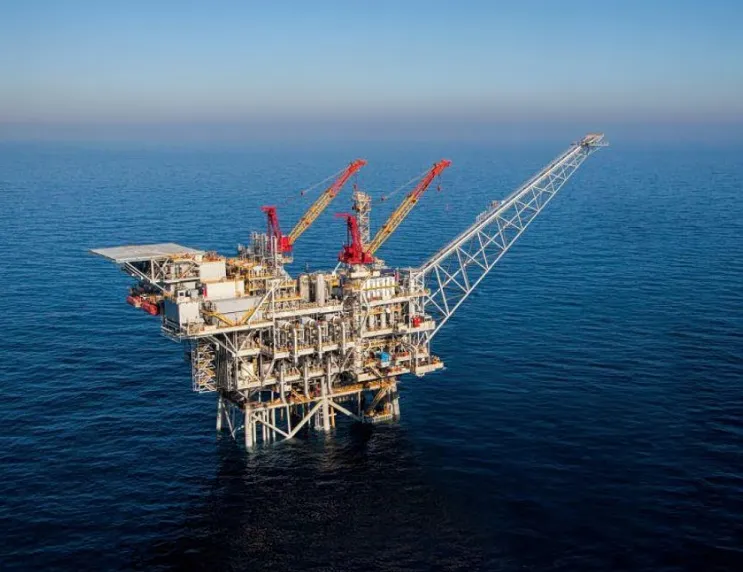
When will the Ionian Sea exploratory drilling results be released?
The results of the exploratory drilling in the Ionian Sea's maritime area "2" are expected to be announced between May and June 2027. This timeline follows the primary drilling phase, which is currently scheduled to commence in April 2027. The operation is a collaborative effort involving the Energean–ExxonMobil–Helleniq Energy consortium, focusing on the specific target known as "Asopos 1."
The current phase is designed to determine whether natural gas or oil is present at the Asopos 1 site, as suggested by previous seismic surveys. However, a single exploratory well is insufficient to determine the commercial viability of a find. To define the true scale and economic potential of the reservoir, more extensive drilling will be required following the initial results. The Regional Council of the Ionian Islands has already taken a step toward this goal by recently approving the Environmental Impact Study for the Asopos drilling.
The timeline for commercial exploitation
If the 2027 results confirm the presence of viable hydrocarbons, the project will move into a more intensive phase. According to reports from the news agency ΑΠΕ, confirmatory drilling requires its own environmental licensing process, a step that typically takes approximately one year. Consequently, these follow-up drilling operations are projected to take place in 2028.
Should these subsequent tests prove successful, a three-year period will then be necessary to install the required infrastructure for the extraction and transport of hydrocarbons. This means that even with a positive discovery in 2027, the actual movement of gas or oil from the seabed to the market is a multi-year endeavor involving significant engineering and regulatory milestones.
What is the potential impact on Greece's energy status?
The successful identification of a large-scale reservoir could shift Greece from an energy importer to a self-sufficient exporter. During the East Mediterranean Natural Gas Forum, Energean CEO Mathios Rigas noted that if the current estimates are correct, the reservoir could reach a volume of 270 billion cubic meters. Such a discovery would fundamentally alter the country's economic and geopolitical standing in the energy sector.
The consortium structure is also designed to adapt to the scale of any potential discovery. While Energean currently holds the lead role in the consortium, the operational leadership is set to transition to ExxonMobil if significant hydrocarbon deposits are confirmed. This shift ensures that the massive capital and technical requirements of large-scale extraction are met by a global industry leader, providing the necessary stability for long-term production.
How does the Ionian project fit into Mediterranean energy strategy?
The Ionian Sea drilling is just one component of a broader network of energy initiatives discussed at the East Mediterranean Natural Gas Forum. These projects are aimed at enhancing regional security and reducing dependence on external suppliers, particularly in light of the European Union's goal to end Russian gas imports by 2027.
Several key initiatives are currently shaping the regional landscape:
- The Vertical Natural Gas Corridor: This project involves gathering data from various regional countries to identify necessary network investments. A meeting of gas system operators is scheduled for January in Sofia to continue this coordination. The goal is to ensure the network can meet demand following the anticipated cessation of Russian gas imports.
- Greece–Cyprus Electrical Interconnection: This project is moving forward with the issuance of a Navtex for seabed surveys. According to regional sources, the issuance of this Navtex is considered a "matter of days," and it is being managed without seeking permission from Turkey. Additionally, the European Investment Bank is expected to complete a techno-economic study, and a €25 million installment from Cyprus to the ADMIE for incurred costs is anticipated.
- The GREGY Project: This initiative focuses on the electrical interconnection between Egypt and Greece, representing another pillar of Mediterranean energy integration.
What role does carbon capture play in the regional energy transition?
As the region develops its gas infrastructure, there is a simultaneous focus on decarbonization through Carbon Capture and Storage (CCS) projects. One of the most prominent initiatives involves the storage of carbon dioxide in the exhausted Prinos field. This project represents a crucial step in managing the environmental impact of industrial activities.
The infrastructure for this project is currently being developed, with a floating platform for gas injection expected to be located in the Kavala maritime area by November. The full completion of the necessary facilities—including onshore reception, liquefaction, and regasification plants, alongside the required injection wells—is targeted for 2030. In the interim, industry players are expected to make investment decisions regarding the collection and transport of emissions to the Prinos site.
International cooperation in carbon management
The technical complexity of these projects has drawn international interest. Egypt, which possesses significantly larger available capacity for carbon dioxide storage, has reportedly requested technical assistance from Greece. This cooperation aims to help Egypt organize its carbon market and establish the necessary institutional and regulatory frameworks to support large-scale CCS operations, highlighting the growing importance of cross-border expertise in the green transition.
Frequently asked questions
When will the Asopos 1 drilling results be known?
The results of the exploratory drilling for the Asopos 1 target are expected to be released in the May–June 2027 window. This follows the primary drilling activities scheduled for April 2027, which aim to confirm the presence of hydrocarbons in the Ionian Sea.
What happens if the 2027 drilling is successful?
If the initial drilling confirms hydrocarbons, the consortium will move to confirmatory drilling, which is expected in 2028. Following successful confirmatory tests, a three-year period will be required to install the infrastructure necessary for extracting and transporting the gas or oil.
Who will lead the project if large deposits are found?
While Energean currently leads the consortium, the leadership role is slated to pass to ExxonMobil if significant hydrocarbon deposits are confirmed. This transition is designed to manage the large-scale technical and financial demands of commercial production.
What is the significance of the 270 billion cubic meter estimate?
The 270 billion cubic meter figure represents the potential size of the reservoir as estimated by Energean's CEO. If these volumes are confirmed, Greece could achieve energy self-sufficiency and become a significant exporter of natural gas in the Mediterranean.
How does the Prinos project relate to energy security?
The Prinos project focuses on carbon dioxide storage in exhausted fields, supporting the transition to lower-carbon energy systems. It is part of a broader regional strategy to manage emissions while developing natural gas infrastructure, with full operational capacity expected by 2030.
Key takeaways
- Ionian Sea exploratory drilling results for the Asopos 1 target are expected in May–June 2027.
- The Energean–ExxonMobil–Helleniq Energy consortium is managing the current exploration phase.
- A successful find could provide up to 270 billion cubic meters of natural gas.
- Confirmatory drilling and infrastructure installation are projected for 2028 and beyond.
- Regional energy projects include the Greece–Cyprus interconnection and Egypt–Greece GREGY link.
The future of Mediterranean energy infrastructure
The developments in the Ionian Sea are part of a complex, multi-layered effort to reshape the Mediterranean energy map. From the potential discovery of massive gas reserves at Asopos 1 to the advancement of carbon capture technology at Prinos, the region is moving toward a dual strategy of resource exploitation and environmental management. The success of these projects will depend not only on geological luck but also on the continued technical and regulatory cooperation between Greece, Egypt, Cyprus, and the wider European Union as they navigate the transition away from Russian gas.







