Why is seasonal tourism a risk for island stability?
The primary vulnerability for many islands is the extreme fluctuation in economic activity caused by the seasonal nature of tourism. While the summer months bring a surge in revenue and employment, the period between November and February often leaves businesses struggling to remain solvent. This cyclical pattern makes it difficult for families and professionals to plan for a stable future within their home communities.
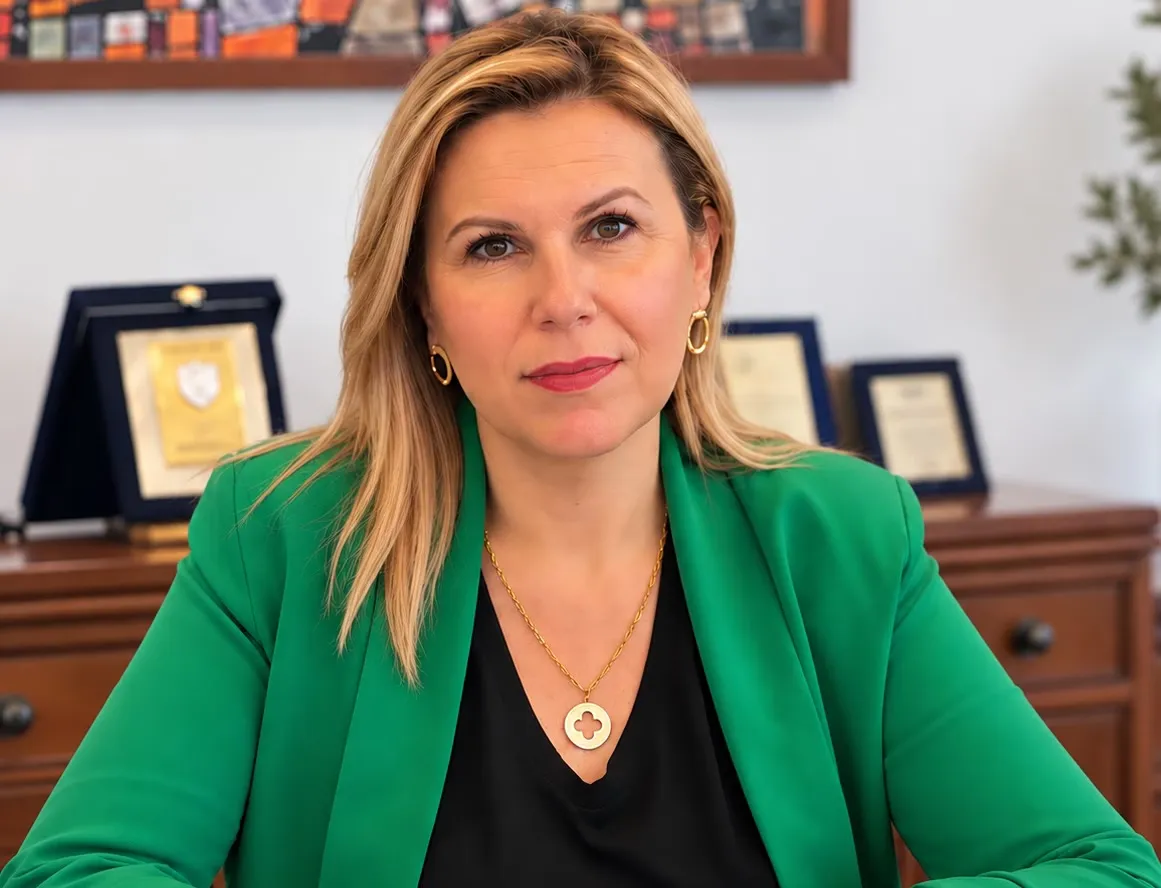
Mayor Eleonora Georgaga of Limnos highlights that the central question for island governance is not whether tourism is necessary, but rather what happens when the tourists leave. The economic void left in the off-season impacts everything from small family-run businesses to the overall demographic health of the island. When economic activity is concentrated into such a short window, it creates a precarious environment where long-term growth is difficult to sustain.
The economic gap in the off-season
The transition from the peak summer period to the quiet winter months often results in a sharp decline in local purchasing power. Many businesses that rely exclusively on summer visitors find themselves unable to cover fixed costs during the rest of the year, leading to closures or seasonal layoffs. This instability prevents the development of a consistent local market and discourages long-term investment in non-tourism sectors.
How can islands transition to year-round development?
Diversification of the local economy is the most effective way to mitigate the risks associated with seasonal tourism. For islands like Limnos, this means leveraging existing strengths in agriculture, livestock, and local manufacturing to create a more balanced economic profile. By connecting traditional production with modern entrepreneurship and innovation, islands can generate stable, year-round income that does not depend on the arrival of visitors.
According to Mayor Georgaga, islands should be viewed as living societies and centers of production, rather than just holiday destinations. This requires a strategic focus on:
- Agricultural and livestock production: Utilizing the land to create high-quality local products.
- Local manufacturing: Processing raw materials on the island to add value and create jobs.
- Innovation: Integrating modern business practices with traditional sectors to increase competitiveness.
By strengthening these sectors, islands can provide high-quality employment opportunities that appeal to younger generations, encouraging them to remain in their home communities instead of migrating to urban centers.
What role does state policy play in island sustainability?
Effective island sustainability requires a comprehensive national policy that recognizes the unique geographic and economic realities of island life. Current economic models often treat island living as an exception to the rule, failing to account for the significantly higher costs of living, transportation, and business operations compared to mainland urban centers.
Mayor Georgaga argues that geography should not function as a factor of inequality. To combat this, she suggests that the state must implement specific fiscal and developmental incentives. These measures should include:
- Tax incentives: Supporting businesses that commit to operating year-round.
- Succession tools: Helping family-owned businesses pass to the next generation rather than closing when the founders retire.
- Infrastructure investment: Treating transportation as a vital lifeline rather than a seasonal convenience.
Without these targeted interventions, the gap between the mainland and the islands will continue to widen, making it increasingly difficult for island communities to maintain essential services and a stable population.
Addressing the cost of living and services
A major hurdle to year-round residency is the accessibility of essential services. For an island to remain viable, professionals such as doctors, teachers, and police officers must be able to afford to live there. This necessitates affordable housing and reliable access to healthcare and education. If these basic requirements are not met, even the most successful local businesses will struggle to find a stable workforce.
How does the demographic crisis impact island survival?
The demographic decline in remote islands is not just a local issue; it is a social, developmental, and national concern. When young people leave due to a lack of economic opportunity or poor infrastructure, the social fabric of the island begins to unravel, leading to a loss of community voice and vitality.
The future of these communities will ultimately be determined by how many people choose to stay and build their lives there. A sustainable island is one where families can grow, schools remain open, and local production continues regardless of the season. The goal is to transform "islandness" from a logistical challenge into a measurable public policy that ensures equal opportunities for all residents.
Key takeaways
- Tourism provides vital income but cannot be the sole foundation for a stable island economy.
- Economic diversification through agriculture and local manufacturing is essential for year-round stability.
- State policies must account for the higher costs of living and transport inherent to island life.
- Addressing housing and essential services is critical to preventing demographic decline.
- The long-term success of islands depends on the ability to retain young residents and families.
FAQ: Island Sustainability
Why is seasonal tourism considered a risk?
Seasonal tourism creates extreme economic volatility. While summer months bring high revenue, the lack of activity in the off-season makes it difficult for businesses to remain profitable and for residents to maintain a stable, predictable standard of living throughout the year.
How can islands reduce their dependence on visitors?
Islands can diversify by investing in local production, such as agriculture, livestock, and manufacturing. By integrating these traditional sectors with modern innovation, islands can create year-round employment opportunities that are not tied to the tourist calendar.
What are the main barriers to year-round living on islands?
The primary barriers include high costs of living, expensive transportation, and limited access to essential services like healthcare and education. Additionally, a lack of affordable housing often prevents professionals and young families from settling permanently.
What kind of government support is needed?
Governments should provide targeted fiscal incentives for year-round businesses, invest in reliable transportation infrastructure, and implement policies that recognize the unique economic costs of island life to ensure equality with mainland urban centers.
Why is the demographic trend so important for islands?
A declining population leads to the loss of essential services, such as schools and healthcare, and weakens the local economy. Maintaining a stable population of young people and families is vital for the social and economic survival of island communities.
Conclusion
The sustainability of islands like Limnos hinges on a fundamental shift in how they are managed and perceived. Moving away from a model of seasonal dependency toward one of year-round productivity requires integrated state policies that address the high costs of island life and the need for economic diversification. By investing in local production, infrastructure, and essential services, islands can become more than just summer destinations; they can become resilient, thriving societies. Ultimately, the strength of an island is measured not by the number of tourists who visit, but by the number of residents who choose to stay.