
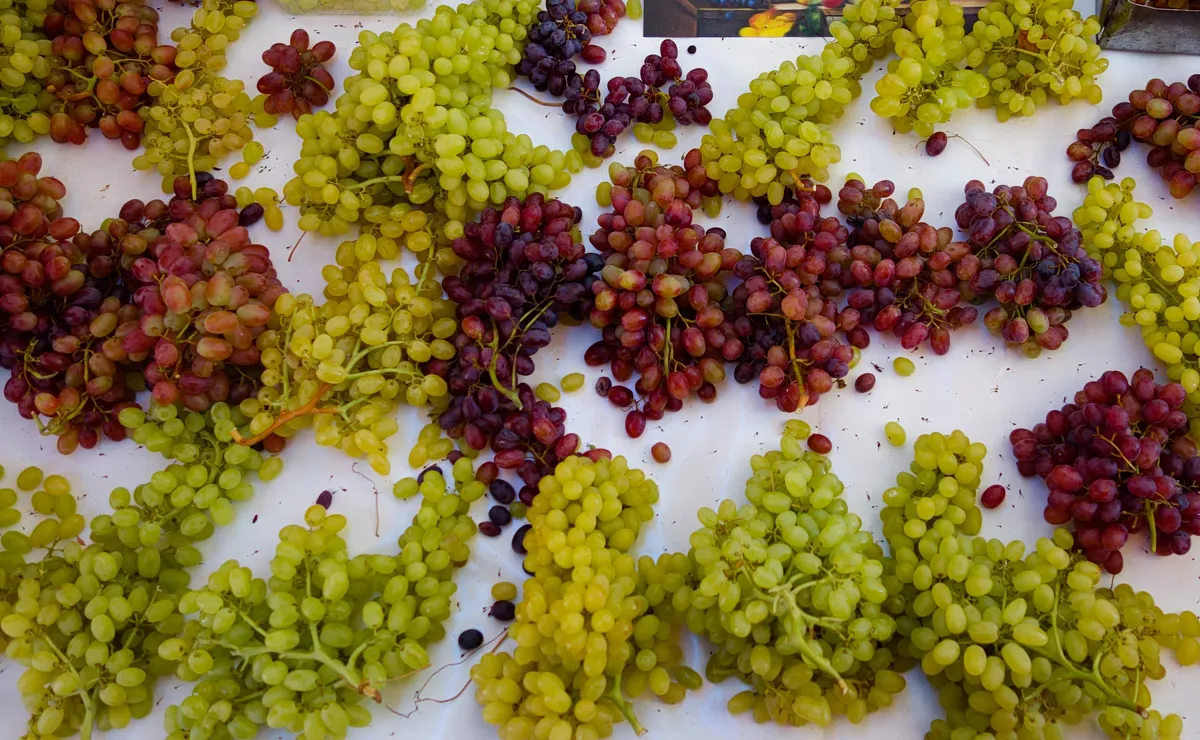
How is extreme heat affecting the timing of the grape harvest in Italy?
Extreme temperatures are drastically accelerating the ripening process of grapes, leaving viticulturists with much narrower windows to select the ideal moment for picking. In many regions, the traditional harvest calendar is being rewritten by the climate. For instance, a family-run vineyard in Alto Liano, Piedmont, completed its harvest on August 30, which is approximately one month earlier than their usual schedule.
The trend of early harvesting is not an isolated incident but a systemic shift. Stefano Pecci, General Manager of the Terre del Barolo wine cooperative, notes that when he began his career roughly twenty years ago, harvesting typically commenced in mid-September. Today, the process is largely concluded by the end of that same month. This rapid acceleration highlights the intensifying pressure that heatwaves place on the natural biological cycles of the vines, compressing what used to be a gradual seasonal transition into a much more sudden event.
The widening gap in harvest dates
Industry observations suggest that the temporal shift is becoming more pronounced each year. Data collected by the trade publication Il Corriere Vinicolo indicates that harvests in certain areas are now occurring 15 to 25 days earlier than the dates recorded in previous decades. This means that what was once an autumn activity is increasingly becoming a mid-to-late summer operation, fundamentally altering the seasonal rhythm of Italian rural life and agricultural planning.
This shift represents a departure from historical norms that have guided generations of growers. As the window for the "perfect" harvest shrinks, the margin for error decreases. The speed at which the grapes reach maturity leaves little room for the traditional observation and patience that viticulture has historically relied upon, forcing a more reactive approach to vineyard management.
What are the chemical consequences of heat on grape quality?
Rising temperatures directly impact the chemical composition of the grapes, specifically by increasing sugar levels and decreasing acidity. This imbalance poses a significant risk to the final product: if grapes are not harvested in time, they can become excessively sweet, leading to wines with unnaturally high alcohol content. To prevent this, growers are forced to pick the fruit prematurely to preserve the necessary structural acidity.
The impact of heat also extends to the physical integrity of the fruit. In some instances, intense heat has led to grapes becoming desiccated or even shriveled on the vine. This dehydration complicates the winemaking process, as it requires more meticulous sorting to ensure only high-quality fruit reaches the press. Furthermore, the traditional view of irrigation is undergoing a paradigm shift. While irrigation was once considered almost sacrilegious in certain high-quality wine circles, experts like Paolo Castelletti of the Unione Italiana Vini suggest that modern drought conditions make irrigation essential to maintain fruit quality. He notes that today, the dryness itself is what reduces quality, making water management a necessity rather than a choice.
How does heat increase the operational costs for wineries?
The pressure of extreme heat does not end in the vineyard; it extends deep into the winery operations. Maintaining the correct temperature for grapes and managing the fermentation process now requires significant investment in cooling equipment and increased electricity consumption. Without controlled environments, the heat can ruin the delicate chemical balance established during the growing season.
At the Terre del Barolo cooperative, for example, it became necessary to actively cool Pinot Noir and Chardonnay grapes before they could be pressed. This necessity for mechanical temperature control adds a layer of energy-related costs to the production cycle that was less prevalent in cooler decades. The need to stabilize the environment against external heatwaves is becoming a standard, yet expensive, component of modern viticulture, as producers struggle to protect the fruit from the ambient heat that permeates the processing facilities.
Why is the heat creating a labor crisis in Italian vineyards?
The intersection of early harvests and extreme heat is creating a severe labor shortage within the wine industry. Because the heat is forcing harvests to begin in August, the work coincides with the traditional Italian summer holiday period, when much of the available workforce is unavailable. This timing leaves the industry caught unprepared for the sudden onset of the picking season, as the demand for hands in the field peaks exactly when labor availability is at its lowest.
Furthermore, the physical reality of working in high temperatures limits the hours during which manual labor can safely occur. Working in conditions of 30–35°C is extremely difficult and poses significant health risks to workers. To adapt, many producers are turning to nighttime harvesting, where temperatures are more manageable, provided the vineyard conditions allow for it. This shift to nocturnal work adds logistical complexity to an already strained system.
The challenges of manual labor in a warming climate
Despite the technological advancements in cooling and irrigation, many varieties still require manual harvesting to ensure quality and prevent damage to the fruit. This reliance on human hands makes the industry particularly vulnerable to climate-driven shifts. The combination of a shrinking labor pool, the summer holiday schedule, and the physiological limits of working in extreme heat creates a precarious situation for Italian producers attempting to maintain traditional quality standards.
The industry is essentially fighting a two-front war: one against the biological changes in the fruit and another against the logistical and physical constraints of the human workforce. As the climate continues to fluctuate, the ability to find workers willing and able to perform these tasks under increasingly harsh conditions will remain a central concern for the future of Italian viticulture.
Key takeaways
- Extreme heat is pushing Italian grape harvests 15 to 25 days earlier than historical averages.
- Higher temperatures increase grape sugar levels while reducing acidity, risking high-alcohol wines.
- Wineries are facing increased energy costs due to the need for mechanical cooling of grapes and fermentation.
- The shift to August harvests creates labor shortages due to the overlap with summer holidays.
- Producers are increasingly adopting nighttime harvesting to protect workers from temperatures exceeding 30°C.
FAQ: Grape harvest in Italy
How much earlier are grapes being harvested in Italy?
According to industry reports from Il Corriere Vinicolo, harvests are occurring between 15 and 25 days earlier than they did in previous decades. In some specific cases, such as in Piedmont, harvests have been recorded up to a full month earlier than usual due to extreme heat.
How does heat affect the taste of Italian wine?
Heat causes grapes to accumulate higher sugar levels while losing acidity. If not managed by early harvesting, this results in wines that are overly sweet and have excessively high alcohol content, which can alter the intended flavor profile and structure of the wine.
Is irrigation becoming more common in Italian vineyards?
Yes, the necessity of irrigation is increasing. While once viewed as a threat to quality, experts now argue that managing drought through irrigation is essential to prevent dehydration and maintain the necessary quality of the grapes in a warming climate.
What are the main logistical challenges for wineries?
Wineries face increased electricity costs to power cooling equipment needed to stabilize grape and fermentation temperatures. Additionally, they must manage the logistical difficulty of sorting dehydrated or shriveled grapes that have been affected by intense heatwaves.
Why is there a labor shortage during the harvest?
The heat is forcing harvests to begin in August, which coincides with the Italian summer holiday period. This, combined with the difficulty of performing manual labor in temperatures above 30°C, makes it harder to find and retain workers.
Conclusion
The Italian wine industry is at a critical turning point as climate change fundamentally alters the viticultural landscape. The acceleration of the harvest cycle is not merely a scheduling issue; it is a complex challenge that impacts grape chemistry, increases production costs through energy consumption, and stresses the availability of labor. As producers adapt through nighttime harvesting, increased irrigation, and enhanced cooling technologies, the economic and qualitative landscape of Italian wine continues to evolve. Navigating these thermal pressures will be essential for maintaining the prestige and stability of Italy's world-renowned wine regions in the years to come.







