
What is the extent of the damage in Kypseli?
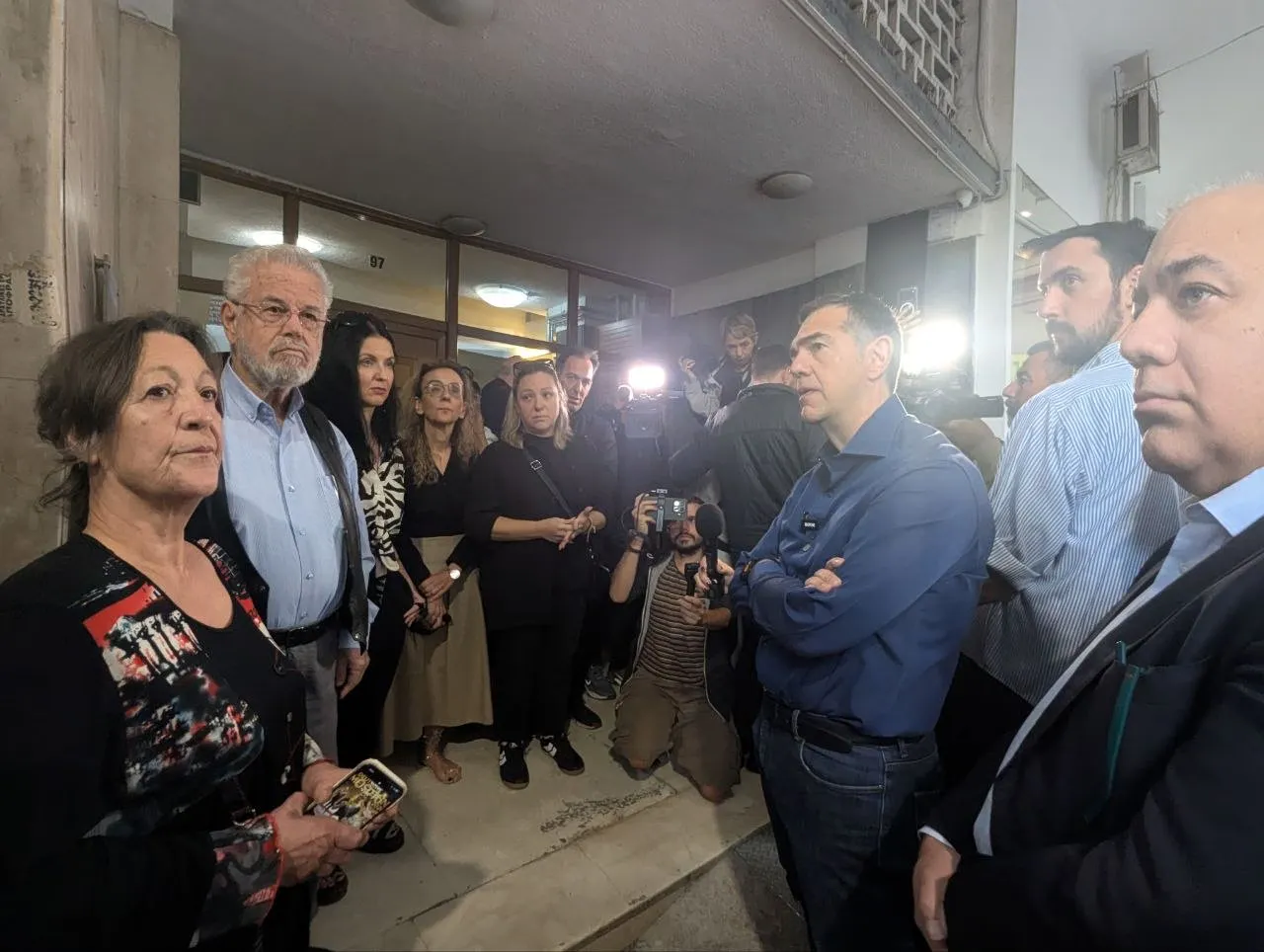
The structural integrity of 35 apartment buildings in the Kypseli neighborhood has been compromised due to the ongoing progress of the Athens Metro Line 4 construction works. During a recent site visit, Alexis Tsipras observed firsthand the physical manifestations of this instability, which residents claim has created a constant state of anxiety regarding their personal safety.
The damage is not limited to superficial aesthetic issues but extends to the fundamental structural components of the residential blocks. According to observations made by Tsipras during his visit, the following issues were evident:
- Significant cracks appearing in load-bearing structures, including columns and main walls.
- Structural shifts causing doors to no longer close properly within their frames.
- Detachment or displacement of window frames and casings.
These technical failures suggest that the subterranean works associated with the new metro line are exerting unforeseen pressure on the existing urban fabric of the district. The scale of the problem—affecting dozens of buildings rather than isolated properties—indicates a systemic issue related to the construction methodology or the geological impact of the Line 4 excavation. The residents' testimony underscores a reality where the physical stability of their homes is in direct conflict with the city's infrastructural progress.
Why is the government's response being criticized?
Alexis Tsipras has launched a sharp critique of the current administration, highlighting a perceived gap between official rhetoric and the reality faced by Kypseli residents. The criticism centers on the contradiction between the Ministry of Infrastructure's assessment of the buildings and the government's decision to allow families to remain in them.
The controversy was ignited by recent comments from the Deputy Minister of Infrastructure, Nikos Tachias. The Deputy Minister reportedly stated that he would not personally choose to have his own family living in the affected apartment buildings. While Tsipras acknowledged the honesty of such a sentiment, he used it to highlight a profound ethical and safety failure by the state.
The contradiction of ministerial statements
The core of the political tension lies in the following logic: if a high-ranking government official deems a building unfit for his own family, it is logically inconsistent for the government to permit dozens of other families to continue residing in those same structures without immediate intervention. Tsipras argued that this creates a dangerous environment of inertia, where the state acknowledges the risk but fails to provide the necessary protections or relocation solutions for the affected citizens.
Tsipras specifically noted that while the Deputy Minister's admission was "honest," it simultaneously serves as a condemnation of the current living conditions. The argument presented is that the government cannot claim a building is unsuitable for its own representatives while simultaneously leaving families to face the potential consequences of structural instability. This perceived inaction is what Tsipras describes as an unacceptable "logic of 'going wherever it leads'" (πάμε και όπου βγει), implying a lack of planning and responsibility toward citizen safety.
What safety protocols are being demanded?
To address the crisis, Tsipras has outlined a specific, multi-step technical and social response that he believes the authorities must implement immediately. He argues that the current lack of progress is unacceptable when human lives and the safety of citizens are at stake.
The proposed emergency framework consists of three primary pillars designed to move the situation from uncertainty to actionable safety measures:
- Data Transparency: All technical data regarding the construction and the resulting structural impacts must be handed over to the independent experts and specialists appointed by the residents themselves.
- Certified Assessment: A formal, certified process must be initiated to categorize every affected building into a color-coded safety system: Green (safe), Yellow (caution), or Red (unsafe).
- State-Funded Relocation: For any building classified as 'Yellow' or 'Red,' the state must immediately provide the necessary funding to facilitate the relocation of residents to safe housing until permanent repairs can be completed.
Tsipras emphasized that the responsibility for these assessments lies with the municipal engineers of Athens, who must provide technically valid and immediate answers regarding the habitability of these homes. He insists that the distinction between green, yellow, and red status must be made with technical rigor to ensure that those in high-risk zones are not left in limbo.
How does the metro construction impact local residents?
The construction of Metro Line 4 represents a major infrastructural leap for Athens, but for the residents of Kypseli, it has become a source of daily psychological and physical distress. The uncertainty regarding whether their homes will remain standing or if a structural failure could occur at any moment has turned a public works project into a local humanitarian concern.
The residents' primary grievance is the feeling of being abandoned by the authorities. While the metro is intended to improve urban mobility, the immediate cost is being borne by the homeowners and tenants of Kypseli, who face potential property devaluation and, more critically, the threat of structural collapse. The demand for a "green, yellow, or red" certification is not merely a technical request but a plea for the certainty required to live without fear. The tension remains unsettled as the residents await the official word from municipal engineers and the state's response to the demand for funded relocation.
Key takeaways
- Construction of Metro Line 4 has caused structural damage to 35 apartment buildings in Kypseli.
- Observed damages include cracks in load-bearing columns, walls, and misaligned door frames.
- Alexis Tsipras criticized the government for allowing families to live in buildings deemed unsafe by officials.
- Demands include immediate certified safety assessments and state-funded relocation for high-risk residents.
FAQ: Kypseli Metro Damage
Which buildings are affected by the metro construction?
At least 35 apartment buildings in the Kypseli district have reported structural damage. These buildings have experienced issues such as cracks in load-bearing walls and columns, as well as problems with door and window frames due to the Line 4 construction.
What are the specific structural issues reported?
The reported issues include cracks in essential load-bearing elements like columns and walls, doors that no longer close correctly, and the displacement of window casings. These signs indicate significant shifts in the buildings' structural integrity.
How has the government responded to the situation?
The government's response has been characterized by political tension. While Deputy Minister Nikos Tachias admitted he would not live in the affected buildings, critics like Alexis Tsipras argue that the government is failing to provide adequate protection or relocation for those who do.
What is the proposed "color-coded" safety system?
The proposed system involves municipal engineers certifying buildings as Green (safe to inhabit), Yellow (requires caution/monitoring), or Red (unsafe). This classification would dictate the immediate necessary actions for the residents and the state.
What should happen to residents in "Red" buildings?
Residents in buildings classified as Red or Yellow should be immediately relocated to safe housing. This relocation and the subsequent restoration works should be financed by the state to ensure citizen safety is prioritized.
Conclusion
The situation in Kypseli highlights the complex tension between large-scale urban development and the fundamental right to safe housing. As the Athens Metro Line 4 construction continues, the structural damage to 35 buildings serves as a stark reminder of the potential externalities of major infrastructure projects. The political debate sparked by Alexis Tsipras underscores the need for transparent, rapid, and state-funded safety protocols. Moving forward, the ability of the Athens municipality and the central government to provide certified assessments and secure relocation for at-risk families will be the true measure of their commitment to public safety.







