
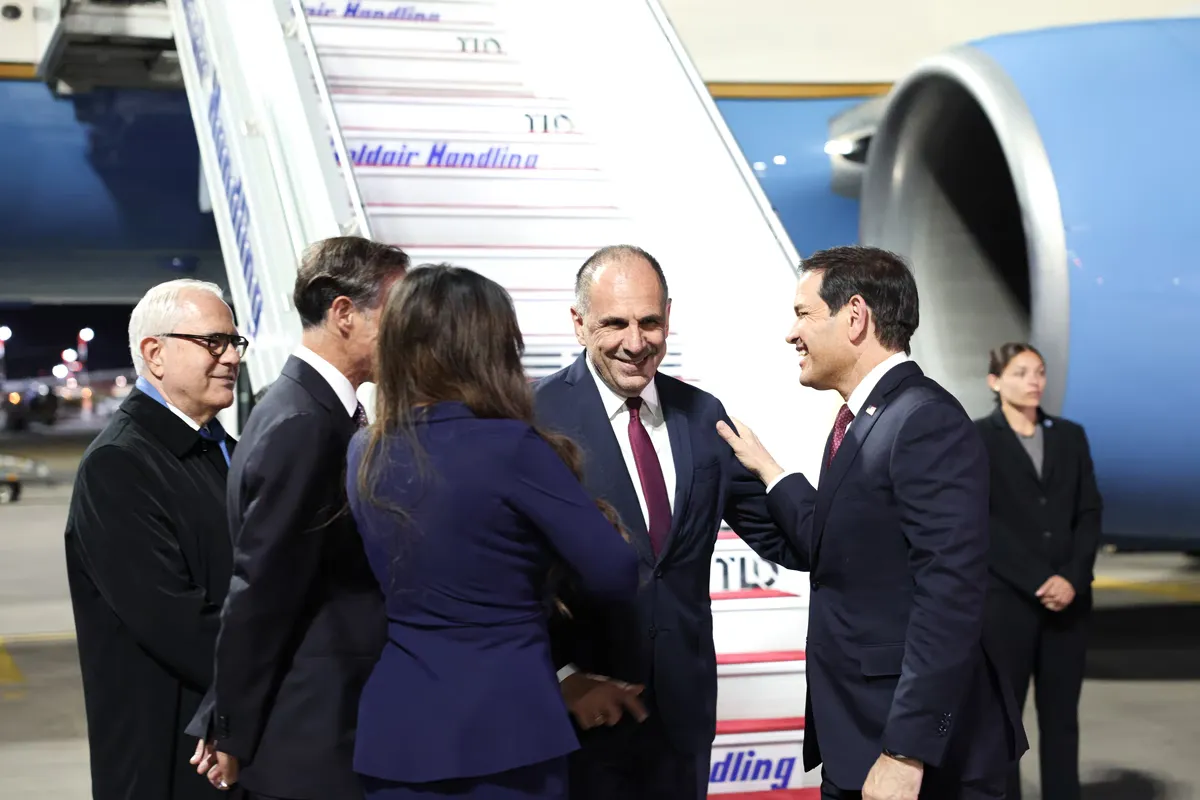
What is the primary objective of the Rubio visit to Greece?
The central purpose of Secretary of State Marco Rubio's presence in Athens is to spearhead the 6th session of the Greece-US Strategic Dialogue. This high-level forum serves as the primary mechanism for the two nations to align their interests on critical global and regional priorities. According to a State Department announcement, the dialogue aims to intensify the bilateral partnership by focusing on defense cooperation, regional security, and energy security.
Beyond the formal diplomatic sessions, the visit is designed to reinforce the multifaceted nature of the relationship. Rubio has emphasized that the connection between the United States and Greece extends far beyond military presence, encompassing robust economic ties and shared democratic values. The dialogue is structured to move from broad regional security concerns to specific sectoral collaborations, ensuring a comprehensive approach to the partnership. This expansion of the dialogue reflects a shift toward addressing not just immediate security needs, but the long-term economic and technological foundations that underpin the alliance.
Strategic focus areas of the 6th Strategic Dialogue
The discussions are organized into several thematic pillars designed to address both immediate security needs and long-term economic stability. These pillars include:
- Regional Security: Addressing the volatile situation in the Eastern Mediterranean and the Middle East, where tensions remain high and require coordinated diplomatic and security responses.
- Defense and Law Enforcement: Enhancing military interoperability and security cooperation to ensure both nations can respond effectively to emerging threats.
- Energy and Maritime: Strengthening energy security to ensure regional stability and reinforcing maritime industry standards to protect vital shipping lanes.
- Technology and Trade: Promoting high-tech cooperation, investment, and economic integration to build a resilient modern economy.
By addressing these diverse sectors, the Strategic Dialogue seeks to create a holistic framework for cooperation that can withstand the pressures of a changing global order. The inclusion of technology and trade alongside traditional defense indicates a recognition that modern security is increasingly tied to economic and technological leadership.
How will the diplomatic schedule unfold in Athens?
The diplomatic itinerary for Secretary Rubio is intensive, involving several key meetings with Greece's highest-ranking officials. The schedule begins with a formal reception at the Ministry of Foreign Affairs, where Foreign Minister Giorgos Gerogiannis will welcome the US delegation. This meeting is intended to pave the way for the official opening of the Strategic Dialogue through joint press statements, setting the tone for the bilateral discussions.
Following the ministerial talks, the program transitions to the highest levels of the Greek government. Rubio is scheduled to meet with Prime Minister Kyriakos Mitsotakis at the Maximos Mansion at 19:00, followed by an official working lunch hosted by the Prime Minister at 20:00. This sequence allows for both formal policy discussions and more private, high-level strategic coordination between the two leaderships.
A notable cultural and philosophical component of the visit includes a scheduled speech at the Pnyx, the historic cradle of Athenian democracy, at 18:00. Rubio is expected to address the future of Western civilization, using ancient Greek heritage as a foundation to discuss the shared legacy of the US and Europe. As noted by US Assistant Secretary of State Dylan Johnson, Rubio aims to use this platform to call for a "great renaissance of the Western spirit," framing the current era of great-power competition within a broader historical and cultural context.
What specific bilateral agreements are being signed?
A key outcome of the 6th Strategic Dialogue is the signing of several formal documents that codify cooperation between the two nations. These agreements range from military cooperation to maritime vocational standards, reflecting the breadth of the US-Greece partnership.
One significant development is the signing of a Letter of Intent regarding cooperation between the Greek Armed Forces and the Florida National Guard. This agreement aims to foster closer ties between military units and enhance training and operational synergy. Furthermore, the two nations are set to renew a Memorandum of Cooperation concerning the enforcement of import restrictions on archaeological and ethnological materials dating up to the 15th century AD, a move intended to protect cultural heritage from illicit trafficking.
In the maritime sector, a Memorandum of Understanding (MoU) will be signed to facilitate the mutual recognition of maritime competency certificates, based on the 1978 STCW International Convention. This agreement is designed to streamline the employment of seafarers and enhance bilateral cooperation in maritime training and education, ensuring that the workforce is prepared for the demands of modern shipping. These documents collectively represent a move from high-level dialogue to concrete, operationalized cooperation.
Why is the geopolitical context critical for this meeting?
The timing of the Rubio visit is dictated by an increasingly complex geopolitical landscape in the Eastern Mediterranean and the Middle East. As regional tensions fluctuate, the US and Greece are seeking to solidify their roles as stabilizing forces in the area. The dialogue provides a platform to coordinate responses to regional instabilities that could impact global energy markets and maritime security.
The discussions are expected to touch upon the intersection of energy security and regional stability. As Europe seeks to diversify its energy sources and reduce dependency on volatile regions, the partnership between the US and Greece becomes even more vital. The Strategic Dialogue serves as a venue to synchronize policies on energy infrastructure, maritime routes, and technological advancements that support these goals. The complexity of the current environment means that these discussions are not merely routine, but essential for maintaining a predictable security architecture in the Mediterranean.
Implications for regional stability
The strengthening of the US-Greece bond has direct implications for the broader Mediterranean region. By deepening defense and energy ties, the two nations aim to create a more predictable security environment. This involves not only military readiness but also the creation of economic interdependencies that discourage regional conflict and promote maritime law enforcement. The integration of security, energy, and maritime standards suggests a strategy of building resilience through multi-layered cooperation, making the partnership a cornerstone of regional stability.
Key takeaways
- The 6th Strategic Dialogue focuses on defense, energy, and regional security in the Eastern Mediterranean.
- Secretary Rubio will meet with Prime Minister Mitsotakis to reinforce bilateral economic and military ties.
- A Letter of Intent will establish cooperation between Greek forces and the Florida National Guard.
- New maritime agreements will facilitate the mutual recognition of seafaring competency certificates.
- The visit includes a cultural address at the Pnyx regarding the future of Western civilization.
FAQ: Rubio visit to Greece
What is the main goal of the 6th Strategic Dialogue?
The main goal is to deepen the bilateral partnership between the US and Greece. It focuses on critical priorities such as defense cooperation, regional security in the Eastern Mediterranean, and energy security, while also addressing economic and technological ties between the two nations.
Which Greek officials is Secretary Rubio meeting?
Secretary Rubio is scheduled to hold high-level meetings with Prime Minister Kyriakos Mitsotakis and Foreign Minister Giorgos Gerogiannis. These meetings are designed to coordinate strategic policy and officially launch the 6th round of the Strategic Dialogue between the two countries.
What maritime agreement is being signed?
A Memorandum of Understanding (MoU) is being signed for the mutual recognition of maritime competency certificates. Based on the 1978 STCW Convention, this agreement aims to facilitate the employment of seafarers and enhance cooperation in maritime training and education.
Will there be cooperation between military units?
Yes, a Letter of Intent will be signed to establish a formal cooperation framework between the Greek Armed Forces and the Florida National Guard. This move is intended to strengthen military ties and enhance operational coordination between the two entities.
What is the significance of Rubio's speech at the Pnyx?
The speech at the Pnyx is intended to link the historical heritage of ancient Greece with the modern shared values of the US and Europe. Rubio plans to discuss the challenges facing Western civilization in an era of intense global competition.
Conclusion
The Rubio visit to Greece represents a strategic effort to consolidate the US-Greece partnership during a period of heightened regional volatility. By moving beyond simple military cooperation to include maritime training, cultural protection, and energy security, the 6th Strategic Dialogue demonstrates a comprehensive approach to bilateral relations. The agreements signed, particularly regarding the Florida National Guard and maritime standards, provide concrete evidence of this deepening bond. Ultimately, the visit seeks to align the interests of both nations to ensure stability and economic resilience in the Eastern Mediterranean and the broader Western sphere.







