What is driving the predicted decade of high oil demand?
The convergence of technological advancement and demographic shifts is set to create a sustained period of energy consumption growth. Lorenzo Simboli, CEO of Baker Hughes, expressed optimism regarding the long-term outlook for the energy market during the ADIPEC energy conference in Abu Dhabi. He specifically identified the rapid development of artificial intelligence (AI) as a primary catalyst for increased power requirements.
Beyond the digital revolution, two other fundamental factors are shaping the trajectory of the energy sector:
- Global Population Growth: The continuous rise in the number of people worldwide necessitates higher baseline energy levels for survival and standard of living.
- Emerging Economies: Developing nations are increasingly integrating into the global economy, which historically correlates with a sharp rise in energy consumption for industrialization and urban development.
Simboli suggests that this combination of factors will fuel a decade of heightened demand, requiring a gradual but steady increase in global energy investments to meet these needs.
How do geopolitical tensions impact energy investment decisions?
Geopolitical instability and economic variables are creating a highly demanding environment for energy companies attempting to capitalize on rising demand. While the opportunities for growth are vast, the ability to convert these opportunities into profitable ventures remains uncertain. Markus Kremper, CEO of the German energy firm RWE, noted that while AI and electrification are driving electricity demand, the investment landscape is fraught with difficulty.
Several macro-economic and political headwinds are currently complicating the decision-making process for major energy players:
Key barriers to energy investment
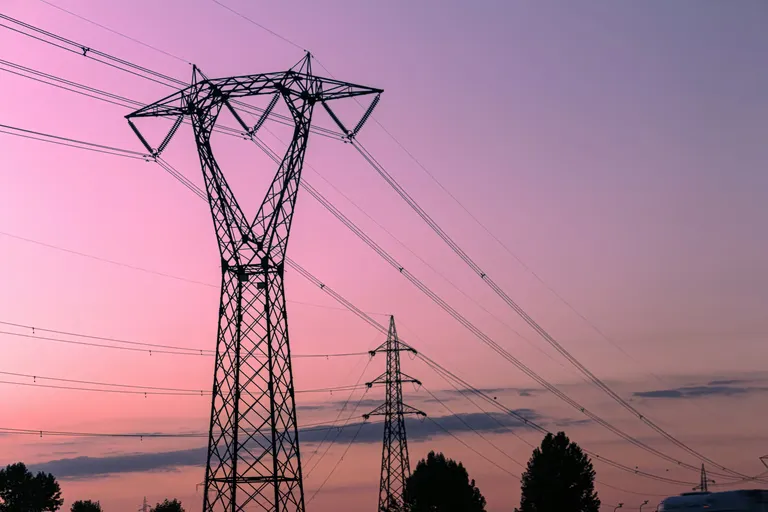
The transition from identifying a demand gap to deploying capital is hindered by several critical factors. High interest rates increase the cost of capital for massive, long-term infrastructure projects, making them riskier for shareholders. Furthermore, supply chain pressures can delay the procurement of essential components for new energy facilities. Geopolitical tensions, particularly in sensitive regions, add a layer of unpredictance regarding the security of assets and the stability of trade routes. Consequently, even though the need for power is growing, the pace of new infrastructure implementation—such as the electrical grids required to support massive AI data centers—is expected to be relatively slow.
Why is uncertainty affecting long-term oil and gas planning?
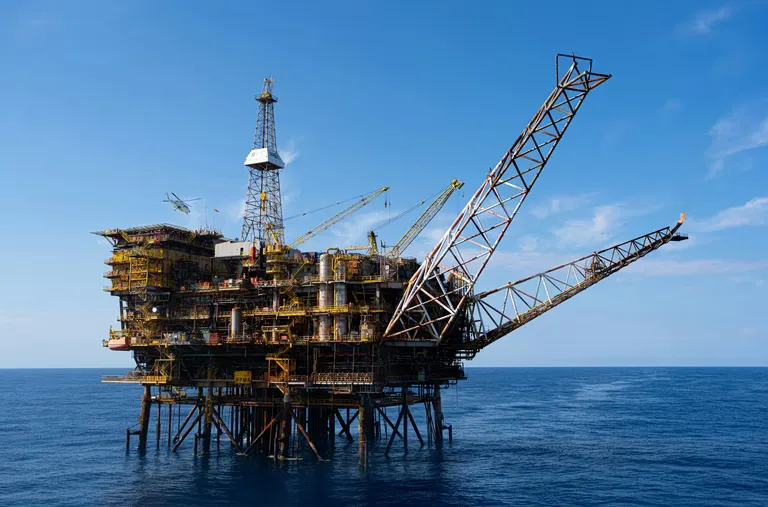
Significant discrepancies in global energy demand forecasts are forcing major corporations to adopt more conservative business models. Meg O'Neill, CEO of BP, highlighted that the long lead times required for energy projects make accurate forecasting essential for survival. A typical oil or natural gas project can take years to develop, yet its productive life often spans several decades.
This temporal mismatch creates a strategic dilemma. If a company invests heavily in a project based on high-demand forecasts, but the market shifts toward lower prices or different energy sources, the investment becomes a liability. To mitigate this risk, O'Neill emphasized that companies must design their operations to remain viable even in a "lower price environment." This cautious approach is a direct response to the volatility seen in recent years, where sudden shifts in global politics have caused rapid fluctuations in energy prices.
What role does infrastructure resilience play in future energy security?
The necessity for more robust and flexible energy systems has become a central theme following recent global conflicts. Lorenzo Simboli noted that conflicts in the Middle East have underscored the vulnerability of existing energy networks. To prevent disruptions, the global energy system must evolve to become more resilient through enhanced storage and improved connectivity.
Building a resilient system involves three primary technical improvements:
- Increased Storage Capacity: Developing more facilities to hold energy reserves can act as a buffer against sudden supply shocks.
- Pipeline Expansion: Adding more transport routes reduces the risk of a single point of failure disrupting the entire supply chain.
- Eliminating Bottlenecks: Identifying and addressing specific points in the network where congestion occurs is vital for maintaining steady flow.
Olivier Blum, CEO of Schneider Electric, added that while some projects in the Persian Gulf have been slowed by regional conflict, the medium-term outlook suggests that the opportunities for developing new, more robust infrastructure have actually expanded.
Will there be an oil supply surplus in 2027 or 2028?
The potential for a market imbalance looms over the long-term demand projections, with experts warning of a possible surplus in the coming years. Richard Bronz, co-founder and head of geopolitics at Energy Aspects, informed CNBC that the oil market could face an oversupply during the 2027 and 2028 period. This prediction is contingent on specific market behaviors and geopolitical stability.
The likelihood of this surplus depends largely on the following conditions:
- Middle East Production Levels: A surplus is expected if oil flows from the Middle East return to normal, stabilized levels.
- Supply-Demand Equilibrium: Current estimates from Energy Aspects suggest that if production stabilizes while demand growth follows a predictable path, the market will naturally tilt toward excess supply.
This potential surplus creates a direct tension with the optimistic "decade of demand" outlook, suggesting that the energy market will likely experience significant cycles of both scarcity and abundance rather than a steady, predictable climb.
FAQ: Energy Market Outlook
What are the main drivers of energy demand through 2036?
The primary drivers include the rapid expansion of artificial intelligence, which requires massive amounts of electricity for data centers, alongside global population growth and the increasing energy needs of developing nations. These factors are expected to sustain high demand for at least the next ten years.
How does AI affect the energy sector?
Artificial intelligence increases the demand for both electricity and specialized infrastructure. The massive computing power required for AI models necessitates significant upgrades to electrical grids and power generation capabilities, creating a new, high-growth segment within the energy market.
Why is it difficult for energy companies to invest right now?
Companies face a challenging environment due to high interest rates, geopolitical instability, and supply chain pressures. These factors make it difficult to predict long-term returns, leading many firms to adopt more cautious investment strategies to avoid losses in volatile markets.
What is the risk of an oil surplus in 2027?
Analysts from Energy Aspects suggest a potential oil surplus could occur in 2027 and 2028. This would happen if production from the Middle East stabilizes and returns to normal levels, potentially outstripping the rate of global demand growth during those specific years.
How can energy systems become more resilient?
Resilience can be achieved by increasing energy storage capacity, building more pipelines to provide alternative routes, and removing existing bottlenecks in the network. These steps help ensure that energy continues to flow even during geopolitical conflicts or technical failures.
Key takeaways
- AI expansion and population growth are expected to drive a decade of high energy demand.
- Geopolitical tensions and high interest rates are currently hindering major energy investments.
- Energy companies are increasingly planning for lower-price environments to mitigate long-term risks.
- A potential oil supply surplus is forecasted for the 2027-2028 period.
- Infrastructure improvements like increased storage are critical for global energy security.
Conclusion
The energy landscape is entering a period defined by a profound contradiction: a decade of guaranteed demand met by an increasingly difficult investment environment. While technological shifts like AI and demographic changes provide a strong foundation for growth, the risks posed by geopolitical instability and potential supply surpluses in 2027 and 2028 cannot be ignored. For the industry to succeed, the focus must shift from mere production to building resilient, flexible infrastructure capable of navigating both scarcity and excess. The coming years will test the ability of global energy leaders to balance long-term strategic growth with short-term market volatility.