
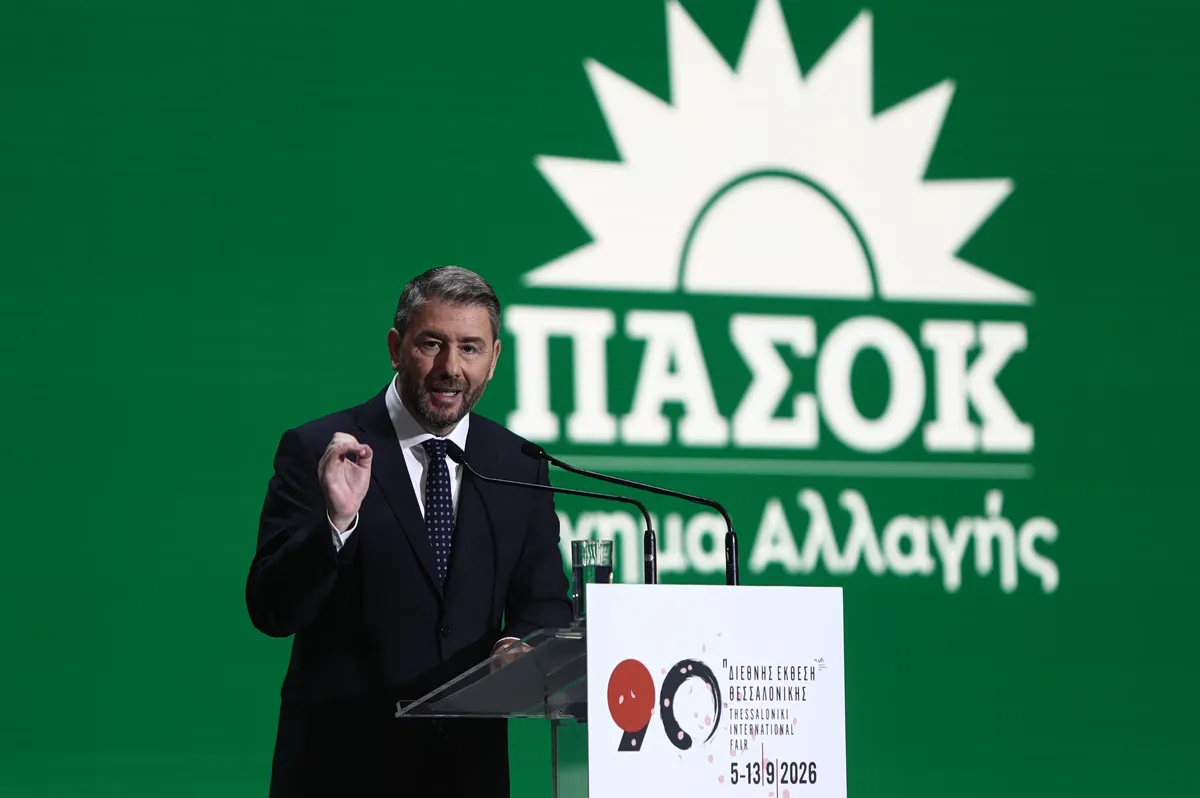
Why is PASOK prioritizing the Attica Basin?
PASOK is prioritizing the Attica Basin because the region has become a persistent electoral challenge for the party, characterized by recent negative performance metrics. Improving electoral indicators in the capital's metropolitan area is viewed as essential for the party's overall national growth. To address this, Nikos Androulakis and senior officials held a closed-door meeting at the party headquarters on Harilaou Trikoupi to finalize a large-scale intervention in the region.
The party leadership recognizes that the Attica Basin serves as a critical barometer for political sentiment in Greece. By focusing resources here, PASOK hopes to rebuild its presence in the very areas where it has struggled to maintain its historical dominance. The strategy is not merely about visibility but about reclaiming lost ground through a structured, multi-day series of political actions. The party understands that the path to national improvement runs directly through the strengthening of its presence in Attica.
The significance of the 1981 anniversary
The timing of this offensive is deeply symbolic. On October 18, 1981, PASOK achieved a historic ascent to power, marking a decisive turning point in Greece's post-dictatorship era. By launching this campaign near the 45th anniversary of that event, the party seeks to honor its historical roots while simultaneously projecting a forward-looking agenda. This dual approach aims to consolidate traditional voters through nostalgia while attracting new demographics through modern policy proposals. The party intends to use this milestone to show that it is returning to its 'roots'—the popular neighborhoods—while looking toward the future.
Who is leading the PASOK organizational offensive?
Nikos Androulakis, the President of PASOK, is personally leading the strategic coordination alongside Giannis Vardakastanis, the Secretary of the Central Committee. The recent high-level meeting included a significant roster of central officials tasked with managing the complexities of the Attica campaign. Key figures involved in this organizational push include Kostas Skandalidis, Christos Protogiannopoulos, Nikos Salagiannis, Efi Halatsi, Giorgos Papavasilieou, and Theodoros Margaritis. These individuals have effectively 'shouldered' the weight of the Attica region in anticipation of the upcoming pre-election race.
The leadership structure for this mission is highly specialized. In addition to the central officials, the party has deployed its organizational 'trio'—Irakis Droulias, Nikos Daskalakis, and Kostas Papadimitriou—to oversee the logistical execution. The involvement of the secretaries of the Attica Prefectural Committees further ensures that the strategy is integrated with local administrative structures. This concentrated deployment of personnel suggests that the party views the Attica campaign as a high-stakes operation requiring top-tier management to ensure the message reaches every corner of the basin.
What is the impact of the proposed localized engagement model?
The impact of the proposed engagement model is a shift away from traditional large-scale rallies toward targeted, municipality-level discussions. Instead of the classic political meeting format where officials dominate the stage, PASOK plans to host sessions where citizens are encouraged to lead the conversation. This 'bottom-up' approach is designed to foster genuine dialogue and address the specific concerns of individual neighborhoods, moving away from the standard pattern of top-down political communication.
This methodology has already seen preliminary implementation in the First Attica district since June. According to party officials, these localized events have received positive feedback, specifically regarding high levels of mass participation and the successful engagement of younger voters. By decentralizing the political message, PASOK aims to move away from abstract rhetoric and toward practical, community-specific problem-solving. The goal is to ensure that the party's program is not just heard, but actively discussed within the fabric of local life.
Targeting specific demographic sectors
The strategy explicitly moves beyond general campaigning to target distinct social groups through a highly focused political presence. The leadership has called for a presence in workplaces, public services, and healthcare facilities to reach citizens in their daily environments. The campaign is structured to address the specific needs of several key pillars:
- Retirees: Focusing on pension security and social protections, specifically the restoration of the 13th pension.
- The New Generation: Engaging young voters through modern political discourse and addressing their unique future prospects.
- Small and Medium Enterprises (SMEs): Addressing the economic pressures and needs faced by local business owners.
By tailoring the message to these specific groups, the party aims to demonstrate that its program is not a one-size-fits-all solution, but a targeted response to the diverse needs of the Attica population.
How will PASOK's policy platform address voter concerns?
PASOK's policy platform focuses on high-impact socio-economic issues, specifically targeting cost-of-living concerns and labor rights. The party intends to use its presence in the Attica Basin to broadcast a clear, targeted program. Central to this message are proposals regarding the cost of living, private debt management, and the restoration of specific financial benefits for public sector workers. The party aims to present these as direct solutions to the economic anxieties currently felt by the Greek electorate.
The party's economic messaging is built around several key pillars intended to resonate with the working and middle classes. These include the reintroduction of the 13th month salary for public employees and the restoration of the 13th pension. By centering the debate on these tangible financial issues, PASOK hopes to distinguish itself and provide a clear alternative to the current status quo. The strategy relies on three core requirements: highlighting a different dimension of life for citizens, establishing immediate contact with the world, and emphasizing the targeted nature of their specific proposals.
| Policy Focus Area | Proposed Action/Objective |
|---|---|
| Cost of Living | Direct intervention and mitigation strategies |
| Private Debt | Legislative and structural relief measures |
| Labor Rights | Strengthening protections and worker empowerment |
| Public Sector Pay | Reintroduction of the 13th month salary |
| Pensioners | Restoration of the 13th pension |
FAQ: PASOK Attica strategy
What is the main goal of PASOK's campaign in Attica?
The primary goal is to reverse recent negative electoral results in the Attica Basin. By strengthening the party's presence in this critical metropolitan area, PASOK aims to improve its national electoral indicators and reconnect with both traditional and new voter demographics through localized engagement.
Where will the main PASOK event take place?
While final decisions are expected within the week, reports suggest that West Athens, specifically the Aigaleo area, is the most likely location for the central event. This location carries significant symbolic weight, representing the party's desire to return to its grassroots, working-class roots.
How does the new campaign format differ from traditional rallies?
The new format prioritizes community-led discussions over top-down speeches. Instead of officials lecturing the public, the party is implementing municipality-based meetings where citizens have more opportunities to speak, ensuring that the political dialogue is driven by the actual concerns of the residents.
Which economic issues is PASOK emphasizing?
PASOK is focusing on high-priority economic grievances, including the cost of living, private debt, and labor rights. Key specific proposals include the reintroduction of the 13th month salary for public sector employees and the restoration of the 13th pension for retirees.
Who is involved in the management of this strategy?
The strategy is led by PASOK President Nikos Androulakis and Central Committee Secretary Giannis Vardakastanis. They are supported by a group of central officials and a specialized organizational trio tasked with executing the campaign across the various municipalities of the Attica Basin.
Key takeaways
- PASOK is launching a multi-day political offensive across the Attica Basin to combat electoral losses.
- Nikos Androulakis is leading a high-level strategic coordination involving central party officials.
- The campaign will shift toward localized, citizen-led discussions rather than traditional large-scale rallies.
- Core policy pillars include cost-of-living relief, private debt management, and restoring the 13th pension.
- The strategy aims to honor the 45th anniversary of PASOK's 1981 rise to power.
Conclusion
The PASOK Attica strategy represents a significant tactical shift for the party as it attempts to reclaim its influence in Greece's most populous region. By moving away from centralized, oratorical politics toward a decentralized, listener-focused model, Nikos Androulakis is testing whether grassroots engagement can bridge the gap between the party's historical legacy and the modern needs of the electorate. The success of this offensive in the Attica Basin will likely determine PASOK's ability to rebuild its national momentum and present a viable alternative to the current political landscape.







