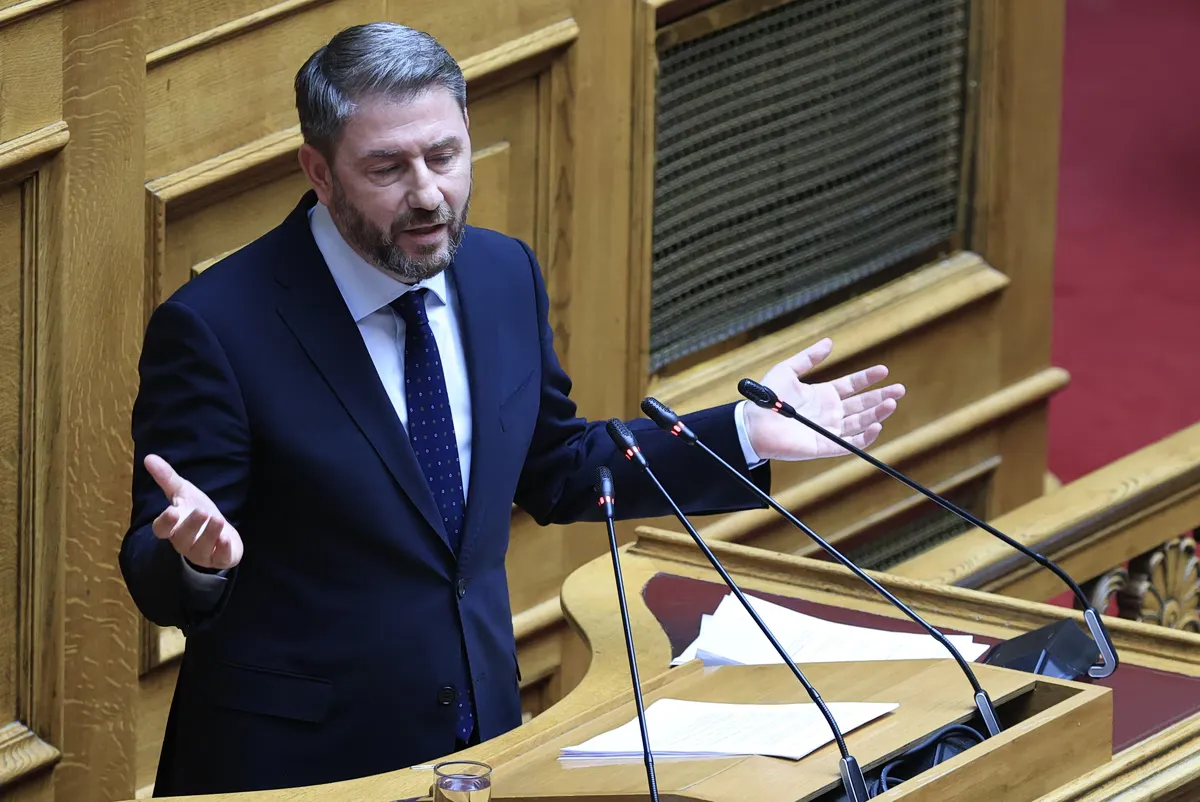
How is PASOK managing its dual-front political battle?
PASOK is pursuing a two-pronged political strategy aimed at challenging the dominance of the New Democracy government while simultaneously contesting the political space occupied by SYRIZA. This 'double front' is a response to the shifting landscape of the Greek opposition, where the rise of SYRIZA in recent polls has placed pressure on the center-left party to assert its leadership.
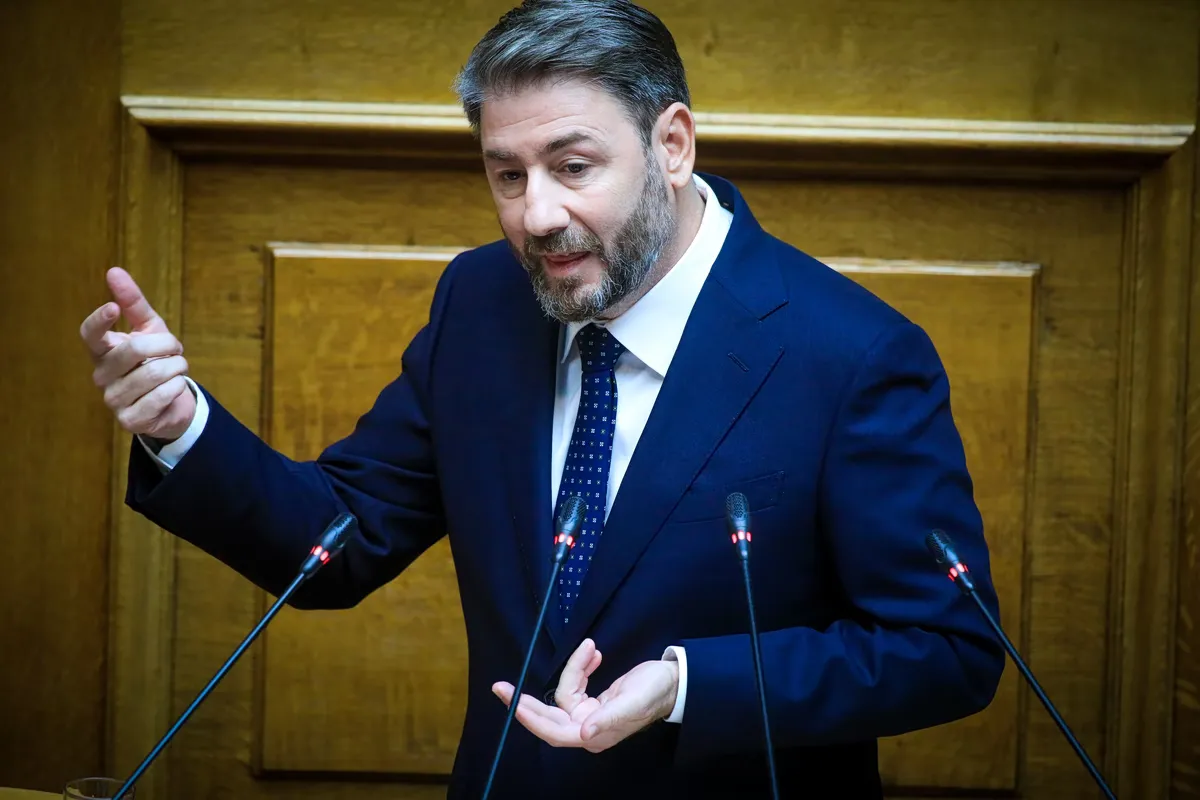
The tension between the parties has recently escalated through sharp rhetorical exchanges. Nikos Androulakis has accused the current administration of 'arrogance,' claiming that leadership has lost touch with the daily realities of Greek citizens. This criticism was prompted by various statements from government officials regarding the economic struggles of the population, which PASOK views as dismissive of the public's hardships.
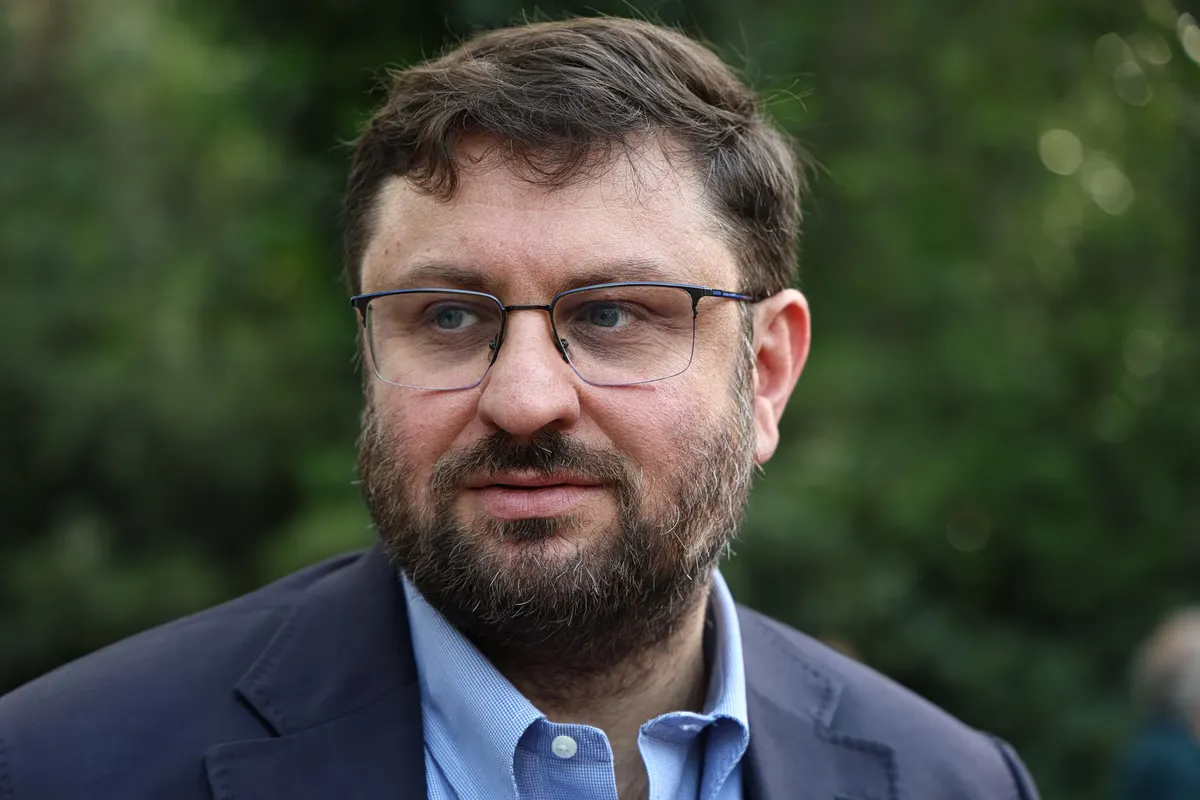
The friction is not limited to the government. The competition for the role of the primary opposition leader has become increasingly heated. A recent televised debate between PASOK spokesperson Kostas Tsoukalas and SYRIZA representative Theoni Koufonikolakou highlighted this divide. While PASOK argues that the country does not need more politicians who act as if the nation owes them, SYRIZA has countered by questioning PASOK's ability to fill the opposition void over the last three years.
The impact of polling pressure on opposition dynamics
The strategic decisions made by PASOK are heavily influenced by recent polling data. As SYRIZA gains momentum, PASOK is forced to navigate a narrow path to ensure it remains the primary alternative to the government. This pressure has led to an increase in political 'decibels,' with both parties fighting for the same segment of the electorate. The party leadership believes that the government's perceived detachment from the economic crisis provides a critical opening to reclaim lost voters.
What are the core PASOK proposals to combat the cost of living?
PASOK has placed the rising cost of living and energy expenses at the very center of its political agenda. Recognizing that these are the primary concerns for Greek households, Nikos Androulakis has articulated a specific set of economic counter-measures intended to provide immediate relief and long-term structural changes.
The party's platform focuses on several key pillars designed to address the financial burden on citizens:
- Fuel and Heating Reductions: A significant reduction in the Special Consumption Tax (EFK) applied to both transport fuels and heating oil.
- VAT Rebate Mechanism: The implementation of a system to return additional VAT revenues to consumers, modeled after successful Italian precedents, to offset price increases.
- Profit Margin Oversight: The introduction of systematic and rigorous inspections of profit margins across the entire supply chain, from refineries to the retail pump.
- Windfall Tax on Oligopolies: The creation of a permanent mechanism to tax the excessive profits of monopolies in various economic sectors, triggered by recommendations from independent regulatory authorities.
These proposals serve a dual purpose: they offer a concrete alternative to the government's approach and position PASOK as the party most attuned to the 'kitchen table' issues of the electorate.
How does the PASOK plan to expand its influence in Attica?
The Attica region is being treated as a strategic priority for PASOK as the party seeks to correct its previous poor electoral performance in the metropolitan area. Rather than relying on traditional, closed-door party meetings, the leadership has ordered a shift toward direct, grassroots engagement with the public.
The upcoming 'offensive' in Attica is designed to be highly visible and interactive. The strategy involves:
- Increased Field Presence: Party officials and members are being deployed to workplaces, public services, and local markets to facilitate direct contact with voters.
- Specialized Information Campaigns: The distribution of targeted materials focusing on specific socio-economic issues, including private debt, labor rights, and the cost of living.
- Thematic Mobilization: Using the party's official program as a tool for direct dialogue rather than just a static document.
The campaign is expected to culminate in a major central event in the Attica region, with Nikos Androulakis as the keynote speaker. While the specific location and date are still being finalized, internal discussions suggest that Western Athens is a primary candidate for this large-scale mobilization.
Strategic shifts in urban campaigning
The move away from classic party gatherings toward 'market-based' and 'workplace-based' campaigning marks a significant tactical shift. By meeting citizens in their daily environments, PASOK aims to break the perception of being a detached political entity. This approach is intended to humanize the party's platform and demonstrate that its policies are practical solutions for the urban working and middle classes.
What role does government rhetoric play in PASOK's messaging?
The rhetoric used by government officials has become a primary fuel for PASOK's critical messaging. Recent comments from New Democracy members regarding the economic struggles of citizens—some of which were characterized as dismissive of those unable to manage high costs—have allowed Androulakis to frame the government as 'arrogant' and out of touch.
Specifically, PASOK has seized upon statements that suggest citizens should simply adapt to high costs (such as using public transport if fuel is too expensive) as evidence of a leadership that has lost empathy. This allows the opposition to bridge the gap between high-level economic policy and the lived experience of the individual, turning government communication errors into political opportunities for the center-left.
Frequently asked questions
What is the main focus of PASOK's current economic policy?
The main focus is addressing the cost of living and energy prices. PASOK proposes reducing taxes on fuel and heating oil, implementing VAT rebates for consumers, and taxing the windfall profits of oligopolies to provide direct relief to Greek households.
Why is PASOK focusing so heavily on the Attica region?
PASOK is targeting Attica to improve its electoral standing in the metropolitan area, where it has historically underperformed. The strategy involves moving away from traditional meetings toward direct engagement in markets and workplaces to reach a broader demographic.
How does PASOK respond to the rise of SYRIZA?
PASOK is engaging in a competitive struggle for the leadership of the opposition. By focusing on practical economic solutions and criticizing both the government and SYRIZA's effectiveness, the party aims to position itself as the only viable alternative to the current administration.
What are the specific measures proposed for fuel prices?
PASOK suggests reducing the Special Consumption Tax (EFK) on transport fuels and heating oil. Additionally, they propose stricter oversight of profit margins throughout the supply chain, from the refinery to the petrol station, to prevent price gouging.
What does PASOK mean by 'government arrogance'?
'Government arrogance' refers to the party's critique of New Democracy officials whose statements regarding the economic crisis are perceived as dismissive or out of touch with the financial struggles of ordinary citizens.
Key takeaways
- PASOK is pursuing a dual-front strategy against both New Democracy and SYRIZA.
- The party's economic platform prioritizes reducing fuel and heating oil taxes.
- A major grassroots mobilization is planned for the Attica region to boost electoral support.
- PASOK proposes a windfall tax on oligopolies to fund social support mechanisms.
- The strategy emphasizes direct contact with citizens in markets and workplaces.
Conclusion
The current PASOK political strategy represents a calculated attempt to reclaim political relevance through a combination of aggressive economic populism and localized grassroots campaigning. By centering the cost of living and energy crisis, Nikos Androulakis is attempting to bypass traditional political debates and connect directly with the immediate needs of the electorate. The success of this 'dual-front' approach—fighting both the ruling party's perceived arrogance and the rising competition from SYRIZA—will likely determine PASOK's ability to re-establish itself as the dominant force in the Greek opposition during the upcoming electoral cycle.