What is the Piraeus road marking program?
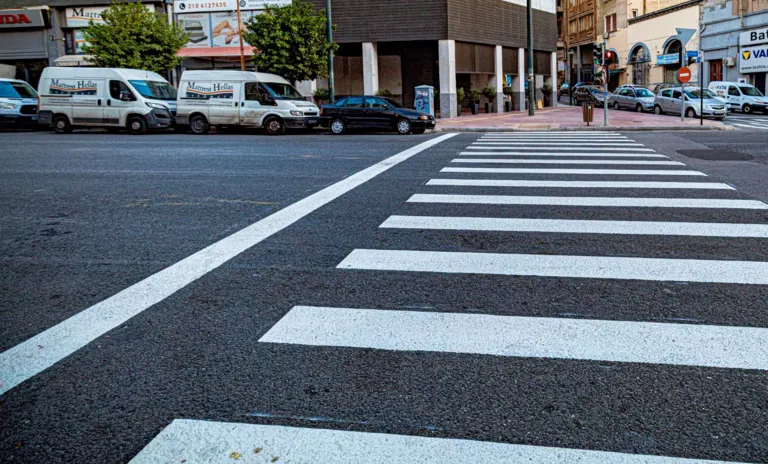
The Piraeus road marking program is a comprehensive city-wide initiative designed to enhance road safety and modernize traffic management throughout the urban landscape. At its core, the program involves the systematic renewal and restoration of horizontal signage, which is critical for the clear communication of traffic rules to both drivers and pedestrians. This includes the repainting and maintenance of pedestrian crossings, the definition of traffic lanes, and the restoration of various other essential road markings that may have faded over time.
By focusing on these technical aspects of road infrastructure, the municipality aims to achieve several key objectives: improving the overall organization of traffic flow, reducing the likelihood of accidents, and ensuring a safer environment for the city's most vulnerable road users—the pedestrians. The program is not merely a cosmetic update but a functional necessity to ensure that the city's road network operates efficiently and safely under modern traffic demands.
Which areas are targeted by the program?
The program is highly targeted, covering 28 specific locations and road segments that have been identified as vital to the city's movement. The scope of the work is wide-ranging, encompassing major arterial roads, central streets, and critical intersections. The initiative began at the intersection of Heroon Polytechniou Avenue and Charilaou Trikoupi, and is steadily progressing through the city's most important hubs.
The specific locations scheduled for intervention include a diverse list of streets and squares, such as:
- Akti Miaouli: Sections from Filellinon to Ag. Spyridonos, and from 2as Merarchias to the Tower.
- Major Intersections: Zanni–Skouloudi; Kanellopoulou–Mourati–Karaoli Dimitriou; Karaoli Dimitriou–Sofianopoulou (at Karaiskaki); and Karaoli Dimitriou–Piraeus.
- Key Thoroughfares: Heroon Polytechniou–Sakhtouri; Sakhtouri–Theotoki–Freattidos; and Heroon Polytechniou–Eleutheriou Venizelou.
- Plazas and Coastal Areas: Hippodameia Square (including the junction) and various segments of Akti Poseidonos (Gounari and Aristeidou).
- Other Critical Links: Grigoriou Lampraki–Tsamadou; Skouze–Boumboulinas; and Ethnikis Antistaseos–Tsamadou/Karaoli Dimitriou.
These areas were selected due to their role as central nodes in the Piraeus transport network, where high volumes of both vehicular and pedestrian traffic necessitate clear and highly visible signage.
How is the work being conducted?
To minimize the impact on the daily lives of the city's inhabitants, the Municipality of Piraeus has strategically scheduled the road marking works to take place during nighttime hours. This operational decision is a direct response to the need to limit the burden on the city's traffic flow and reduce the level of noise and inconvenience caused to residents, workers, and visitors.
By performing these tasks at night, the municipality can ensure that the heavy daytime traffic characteristic of Piraeus's major axes is not significantly disrupted. This approach allows for the necessary technical work—which often requires certain road segments to be temporarily closed or restricted—to be completed with minimal interference to the city's economic and social rhythm. While nighttime work presents its own logistical challenges, it serves as a mitigation strategy to prevent the large-scale congestion and delays that would inevitably occur during daylight hours.
What are the expected benefits of the program?
The expected benefits of this program are multifaceted, touching on safety, efficiency, and urban organization. Primarily, the restoration of horizontal signage is expected to significantly enhance road safety. Clear, highly visible pedestrian crossings and lane markings provide essential guidance to drivers, helping to reduce confusion and the potential for collisions. For pedestrians, well-defined crossings offer a safer and more predictable way to navigate the city's busy streets.
Furthermore, the program aims to improve the overall flow of traffic. When lanes are clearly marked and intersections are properly signaled, drivers can navigate the network more smoothly, which can lead to a reduction in congestion-related delays. The improved organization of the road network contributes to a more efficient urban environment, where the movement of goods, services, and people is facilitated by reliable and visible infrastructure. Ultimately, the goal is to create a more predictable and orderly traffic environment for everyone using the city's roads.
What are the future plans for Piraeus's infrastructure?
According to the Mayor of Piraeus, Yiannis Moralis, this road marking program is not an isolated event but part of a continuous and broader commitment to upgrading the city's infrastructure. The Mayor has emphasized that the municipality is actively engaged in a process of ongoing assessment, constantly recording the specific needs of the city to inform future projects.
The vision for Piraeus involves a steady progression of works that prioritize functionality and safety. The municipality intends to continue implementing projects that improve the city's roads and public spaces, ensuring that the infrastructure keeps pace with the evolving needs of the population. This proactive approach aims to ensure that citizens see tangible improvements in their neighborhoods, fostering a sense that the city is actively caring for and maintaining its essential public assets. The long-term strategy is to build a Piraeus that is increasingly safe, functional, and responsive to the daily requirements of its residents.
How does this program fit into Piraeus's broader urban development strategy?
The road marking program serves as a practical application of Piraeus's broader urban development strategy, which places a high priority on the well-being of its citizens through improved safety and efficiency. By investing in the fundamental elements of the road network—such as signage and crossings—the city is addressing the immediate, everyday needs of its population while laying the groundwork for a more organized urban environment.
This strategy recognizes that a functional city requires reliable infrastructure that supports both mobility and safety. The program reflects a holistic approach to urban management, where small-scale, high-impact interventions like road marking are integrated into a larger vision of a modern, well-maintained, and livable city. By focusing on these essential improvements, the municipality aims to create an environment that is not only more efficient for transit but also more welcoming and safer for those who live and work in Piraeus.
Frequently asked questions
Why is the road marking program conducted at night?
The work is conducted during nighttime hours specifically to limit the impact on traffic and to reduce the inconvenience, noise, and disruption caused to residents, workers, and visitors during the day.
How were the 28 locations chosen for the program?
The locations were selected based on their importance to the city's traffic flow and safety needs, focusing on central roads, major axes, and key intersections where clear signage is most critical.
What types of road markings are being renewed?
The program involves the renewal and restoration of horizontal signage, which includes pedestrian crossings, traffic lanes, and other essential road markings throughout the city.
Who is responsible for overseeing the program?
The Municipality of Piraeus is responsible for the program, overseeing the implementation of the works to ensure they meet the city's goals for safety and infrastructure improvement.
What is the long-term goal of the road marking program?
The long-term goal is to enhance road safety, improve the organization of traffic, and contribute to a more functional and safer urban environment for all users in Piraeus.
Key takeaways
- The Piraeus road marking program targets 28 strategic locations to improve safety and traffic flow.
- Works are carried out at night to minimize disruption to residents and the city's daily activities.
- The initiative focuses on renewing pedestrian crossings, lane markings, and horizontal signage.
- The program is a component of a broader municipal strategy to enhance Piraeus's infrastructure and urban functionality.
Conclusion
The Piraeus road marking program represents a significant and practical step toward improving the safety and efficiency of the city's transport network. By targeting 28 critical points and executing the work during nighttime hours, the municipality is addressing the immediate needs of drivers and pedestrians while minimizing urban disruption. As Mayor Yiannis Moralis has indicated, these efforts are part of a sustained commitment to infrastructure development, aiming to create a Piraeus that is safer, more organized, and better equipped to serve the daily needs of its citizens.