
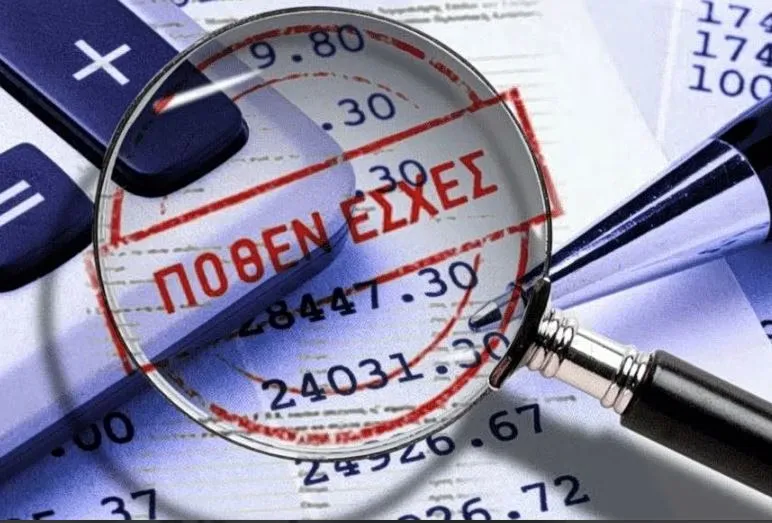
When is the Pothen Esches declaration deadline in 2026?
The final date for submitting the Pothen Esches declaration is October 24, 2026. This deadline is not arbitrary but is strictly dictated by the timeline of the national tax calendar. According to the current regulatory framework, the asset declaration must be filed within three months following the expiration of the deadline for personal income tax returns.
In the 2026 cycle, the personal income tax filing period concluded on July 24. Consequently, the electronic platform, pothen.gr, remains active for asset disclosures until the late October cutoff. It is essential for liable parties to recognize that the electronic window has been open since August 3, 2026, providing a multi-month period for thorough preparation and submission. This timeline ensures that individuals have sufficient time to gather documentation after their income taxes are finalized.
The legal link between tax and asset filings
The synchronization between income tax and the Pothen Esches process ensures a structured oversight of wealth accumulation. By mandating the asset declaration to follow the income tax cycle by exactly three months, the legislation creates a predictable rhythm for transparency. This alignment allows authorities to cross-reference declared income with the fluctuations in total assets reported in the subsequent filing.
The legislative mechanism is designed so that the conclusion of the tax season serves as the starting point for the asset disclosure period. Because the income tax declarations for this year were completed on July 24, the three-month window leads directly to the October 24 expiration of the pothen.gr platform. This structured approach prevents delays in the transparency cycle and ensures that the data being reviewed is as current as possible in relation to the most recent tax year.
How can taxpayers correct errors after the initial filing?
Taxpayers have the right to submit an amended declaration to rectify mistakes or include previously omitted information. This corrective mechanism is designed to ensure the highest level of accuracy in the public record. However, the ability to amend is strictly time-bound and does not extend the original deadline.
The window for submitting an amended declaration remains open for 30 days following the official expiration of the filing period. While this allows for corrections, the primary declaration must still be finalized by the October 24 deadline. An amendment is a tool for accuracy, not a method for requesting an extension of the submission window. Therefore, individuals must ensure their initial data is as complete as possible before the October cutoff to avoid the complexities of the amendment process. The 30-day period serves as a grace period for refinement rather than a secondary filing window.
What assets and information must be included in the declaration?
The declaration requires a comprehensive overview of an individual's financial standing, including assets held by spouses, civil partners, and minor children. The scope of the Pothen Esches has expanded significantly in recent years, covering a wide array of categories across the public, political, judicial, and private sectors.
Liable parties must provide detailed information regarding several key asset classes:
- Financial Assets: This includes all bank accounts where the individual is either a primary beneficiary or a co-owner, as well as stocks, bonds, and mutual funds.
- Real Estate and Movable Property: Declarations must cover real estate holdings, vehicles, and high-value movable assets.
- Business and Legal Interests: Information regarding corporate participations and safe deposit boxes must be disclosed.
Furthermore, the declaration is not limited to the individual alone; it necessitates the inclusion of data concerning the spouse, the civil partner, and any minor children, ensuring a complete picture of the household's economic profile.
The importance of verifying automated data
While the pothen.gr platform automatically pulls certain data from various institutions, manual intervention is often required. Not all financial information is transferred seamlessly between databases. Users must manually enter any data that has not been automatically migrated to the platform to ensure a complete profile.
The reliance on automated data transfer is intended to streamline the process, but it is not infallible. Because the system pulls data from external sources, any gap in the transmission of data between a financial institution and the pothen.gr platform will result in an incomplete declaration. It is the responsibility of the user to identify these gaps and manually input the missing information to maintain the integrity of the filing.
How should individuals verify their banking and investment data?
Rigorous verification of data sourced from banks and financial institutions is the most critical step in the filing process. Because the platform relies on external data feeds, discrepancies can occur between an individual's actual holdings and what is reflected on the digital form. The responsibility for the accuracy of these figures rests solely with the declarant.
To ensure a compliant filing, individuals should perform the following checks:
- Account Ownership: Confirm that every bank account, including those held jointly, is listed.
- Balance Accuracy: Verify that the amounts recorded for each account match official bank statements.
- Investment Consistency: Cross-reference the listed shares, bonds, and mutual funds with recent brokerage statements.
Failure to catch these errors during the review phase can lead to significant legal or administrative complications, as the platform and the data-providing agencies do not assume liability for inaccuracies in the final submission. The declarant must act as the final auditor of their own financial data.
Who is required to file a Pothen Esches declaration?
The list of individuals obligated to file has grown substantially over recent years. The requirement is no longer limited to a small group of high-ranking officials but extends across various sectors of society to ensure broad transparency.
The categories of liable individuals include:
- Public Sector Employees: Individuals working within government administration and state-owned enterprises.
- Political Figures: Elected officials at local and national levels.
- Judicial Members: Judges and other members of the legal system.
- Private Sector Entities: Certain individuals in the private sector who meet specific criteria related to their influence or financial standing.
FAQ: Pothen Esches declaration
What is the final deadline for the 2026 filing?
The final deadline for submitting the Pothen Esches declaration is October 24, 2026. This date marks the end of the electronic filing period on the pothen.gr platform for the current cycle, following the conclusion of the income tax period in July.
Can I change my declaration after the October deadline?
Yes, you can submit an amended declaration to correct errors or add missing details. This option is available for 30 days after the October 24 deadline. However, the original declaration must still be completed by the primary deadline to be considered valid.
Is the platform responsible if my bank data is wrong?
No, the responsibility for the completeness and accuracy of the information lies exclusively with the person filing the declaration. While the platform pulls data from banks, the user must verify that all accounts and amounts are correctly displayed before final submission.
Do I need to include my family's assets?
Yes, the declaration must include relevant financial information concerning your spouse, civil partner, and minor children. This ensures a holistic view of the household's total wealth and assets as required by transparency laws.
What happens if I forget to list a bank account?
If you realize an account was omitted, you should use the 30-day amendment window following the deadline to correct the error. It is highly recommended to verify all joint and individual accounts before the initial October 24 deadline to ensure full compliance.
Key takeaways
- The mandatory filing deadline for the Pothen Esches declaration is October 24, 2026.
- The pothen.gr platform has been active for submissions since August 3, 2026.
- An amendment period of 30 days is available after the deadline for corrections.
- Users must manually enter any data not automatically transferred by the system.
- Liability for data accuracy rests entirely with the individual declarant.
Conclusion
The Pothen Esches declaration remains a cornerstone of financial transparency in Greece, requiring meticulous attention to detail from a broad spectrum of professionals. With the October 24, 2026, deadline approaching, liable individuals must prioritize the verification of bank accounts, investments, and family assets. While the amendment window offers a safety net for corrections, it does not replace the necessity of an accurate initial filing. By proactively cross-referencing automated data with personal financial records, taxpayers can ensure compliance and maintain the integrity of the wealth disclosure process.







