The origins of the viral raccoon incident
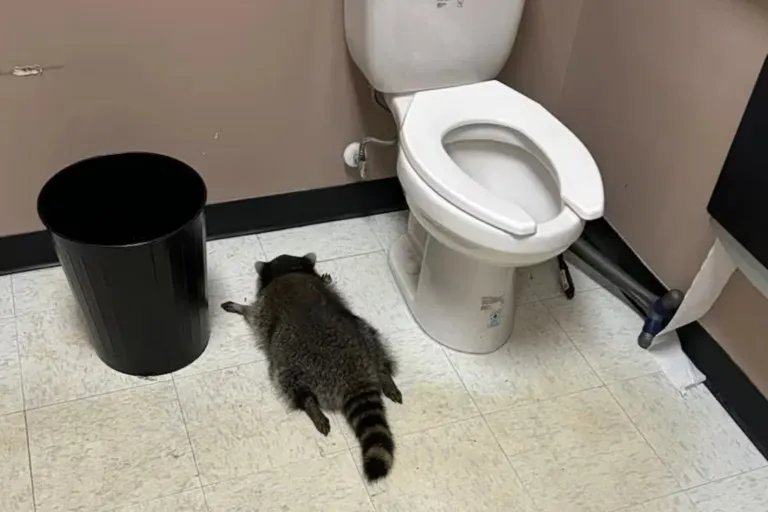
The fundraising momentum began after a raccoon gained international attention for its intrusion into a liquor store in Ashland, Virginia. During the incident, the animal reportedly consumed 14 bottles of various alcoholic beverages before being discovered unconscious near a toilet. According to reports, the raccoon had accessed a stock that included rum, moonshine, Scotch whisky, Canadian whisky, vodka, peanut butter whisky, and eggnog.
Following the discovery, the store manager found the animal, which was later collected and released back into the wild approximately one mile from the store. This event quickly transitioned from a local curiosity to a global news story, even inspiring sketches on Saturday Night Live. The raccoon's accidental celebrity has since become the primary driver for a significant influx of charitable support for local animal services.
Impact of the viral event on public awareness
The widespread media coverage served as a catalyst for the subsequent fundraising efforts. By turning a bizarre animal encounter into a recognizable brand, the Hanover County Animal Protection and Control was able to leverage public interest into tangible financial resources. The incident moved beyond simple news reporting to become a cultural moment that directly benefited the local community's animal welfare infrastructure.
Merchandise sales and the 'Trashed Panda' brand
The Hanover County Animal Protection and Control agency successfully monetized the incident by collaborating with an apparel company to create a line of themed merchandise. The products feature an illustration of the intoxicated raccoon alongside various slogans, most notably the "Trashed Panda" branding. This commercial initiative has seen high demand across the country, significantly outpacing traditional fundraising methods.
The merchandise catalog includes several specific designs tailored to different themes and seasons:
- Trashed Panda: Featuring the raccoon next to a liquor bottle.
- Hot Trash Summer: A summer t-shirt depicting the raccoon lying on a beach towel with a drink.
- Trick or Trashed: A specialized design for the Halloween season.
- Other items: The collection also extends to hoodies, hats, mugs, and stickers.
These sales have turned the raccoon into a local mascot, driving revenue that far exceeds the standard annual donation levels for the facility.
Financial impact on animal protection services
The revenue generated from the raccoon fundraiser has fundamentally altered the financial landscape for the Hanover County Animal Protection and Control. Jeffrey Parker, the head of animal protection for the county, noted that the funds collected through merchandise sales significantly exceed the shelter's average annual donations, which typically amount to less than $20,000. The current total has surpassed $290,000, providing a massive surplus for departmental needs.
| Financial Metric | Typical Annual Amount | Current Raccoon Fundraiser Total |
|---|---|---|
| Donations/Revenue | Under $20,000 | Over $290,000 |
Parker, who has lived in Hanover County for nearly his entire life, expressed disbelief at the scale of the response, stating, "We never believed a raccoon would do something like this for us." The influx of cash allows the department to move away from relying on borrowed equipment and toward establishing independent resources.
Strategic allocation of funds
A significant portion of the proceeds is earmarked for critical operational upgrades. Specifically, the funds will be used to purchase body cameras for the department's eight animal protection officers. Previously, these employees had to borrow cameras from the county sheriff's office. The acquisition of dedicated equipment is intended to provide visual evidence for investigations into animal abuse and to protect employees by documenting interactions with the public and resolving complaints against staff members.
Future use of surplus funds and emergency reserves
Beyond the immediate purchase of equipment, the department is planning how to manage the substantial surplus. Parker is currently deciding how to allocate approximately $140,000 of the remaining funds. One primary goal is the creation of an emergency fund dedicated to the medical treatment of injured animals rescued by field officers. This fund would provide a dedicated financial cushion for veterinary costs that arise during daily operations.
The revenue stream shows no signs of stopping, as new products continue to be released. Recently, the department released new t-shirts celebrating the first anniversary of the raccoon's "drunken burglary," ensuring that the mascot continues to provide financial utility to the county's animal services.
Biological context and raccoon survival
While the raccoon's behavior was the catalyst for the fundraiser, experts note that the animal's survival was aided by how it was handled. Sarah Bookbinder, co-founder of a raccoon rehabilitation center in New York, noted that releasing raccoons near the location where they were found is a critical factor in their survival. This practice allows them to return to established territories where they already know food sources and nesting sites.
Raccoons are opportunistic foragers that are naturally drawn to strong, sweet scents, which likely contributed to the liquor store intrusion. Although there is limited scientific research regarding the long-term effects of alcohol consumption on raccoons, the immediate outcome for this specific animal appears positive. Parker reported that the department has not received any calls regarding raccoon-related break-ins since the animal was released in November of the previous year. He expressed a simple hope for the animal's future, stating, "Let's hope he lives a good life somewhere... and that he is sober."