What makes the proposed dog nursing home in Xanthi different?
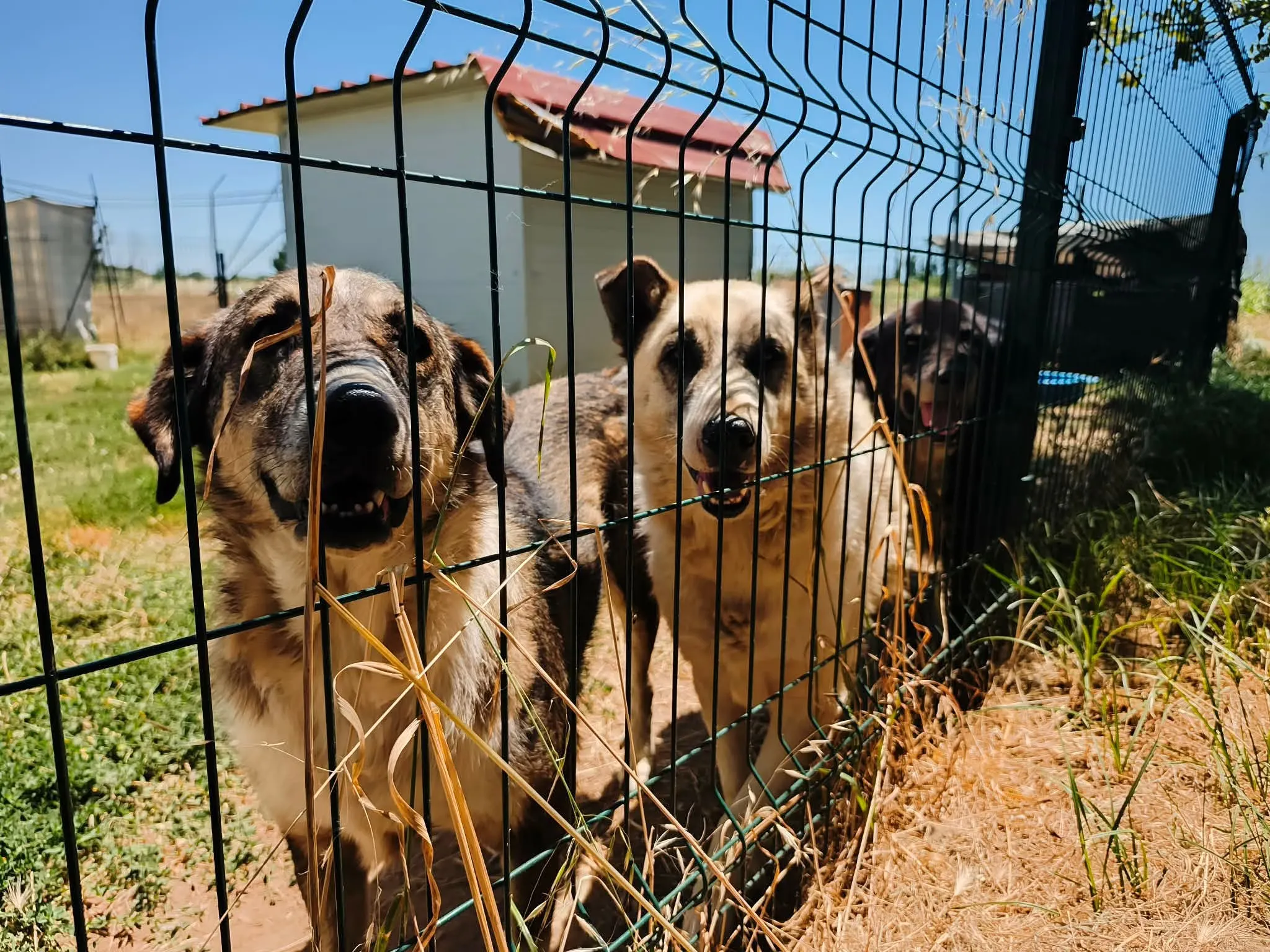
The vision for the new facility centers on a cage-free environment designed specifically for the needs of aging animals. Unlike traditional shelters that often rely on stacked cages, the Adespoutoulia Xanthi Animal Welfare Society plans to implement a layout consisting of open courtyards and small, individual houses. This design is intended to provide warmth during the winter months and shade during the summer, offering a sense of stability and peace.
Anna Maria Zafeiriadou, President of the Society, describes the facility as potentially the first and last real home these senior dogs will ever experience. The goal is to move away from the institutional feel of a prison-like shelter and instead create a space that resembles a community. By providing soft beds, appropriate nutrition for older animals, and quiet spaces, the society aims to ensure that the final years of these "little heroes" are spent in comfort rather than fear.
A departure from traditional shelter models
The concept of a nursing home for animals shifts the focus from mere survival to quality of life. While many shelters prioritize finding homes for pets, the reality for many senior animals is that adoption is unlikely. Therefore, the Xanthi project focuses on the dignity of the end-of-life process. This includes medical monitoring, specialized diets, and human companionship to ensure no animal faces its final moments alone or in pain.
Why is the project focusing on senior animals specifically?
Senior animals are being prioritized because they have often survived extreme hardships, including hunger, disease, abuse, and abandonment. According to Anna Maria Zafeiriadou, these animals are survivors who have endured harsh weather and the constant threat of traffic accidents. When they reach the society, they require more than just basic food and shelter; they need a specific type of compassionate care that addresses their physical and emotional vulnerabilities.
The philosophy behind this focus is to redefine what constitutes a "successful" outcome in animal welfare. The society argues that it should not be viewed as a failure if an elderly animal dies within a shelter. Instead, success is measured by whether that animal lived its final days with warmth, sunlight, regular feeding, and human affection. The mission is to guarantee that these animals do not leave the world as if they never existed.
How has the financial landscape changed for the project?
The cost of establishing the nursing home has escalated significantly over the last three years, presenting a major obstacle for the volunteers. When the project was initially conceived, the estimated total cost was approximately €300,000. However, due to massive increases in the cost of construction materials and labor, the current estimate has risen to nearly €1 million.
The financial gap remains substantial. As of the latest reports, the society has secured €32,500 toward the million-euro goal. This disparity has forced the organization to adopt a gradual construction strategy. Rather than waiting for the full amount to be raised, the volunteers have decided to build the facility incrementally—house by house and euro by euro—to ensure the project moves forward rather than remaining a theoretical plan.
What challenges has the society faced in securing corporate support?
Securing external funding has proven difficult, as many corporate entities have not responded to the society's requests for sponsorship. Anna Maria Zafeiriadou noted that the organization approached more than 40 companies to seek support, yet the response was largely absent. Of those who did reply, five companies politely declined, stating that animal welfare projects do not currently fit within their corporate social responsibility programs.
This lack of institutional support highlights the difficulty small, specialized non-profits face when competing for attention. The society emphasizes that they cannot afford to wait for animal welfare to become a priority for large corporations, as the senior animals currently in their care are aging every day. This reality necessitates a reliance on individual donors and businesses that are willing to act immediately.
What is the long-term social goal of the nursing home?
Beyond providing physical shelter, the project is designed to serve as an educational and social hub for the community. The vision includes opening the facility to schools, allowing children to learn about kindness, responsibility, and respect for the vulnerable through direct interaction with the animals. Furthermore, the society intends to make the space accessible to people with disabilities, fostering a sense of inclusivity.
The project is also intended to be a training ground for volunteers across Greece. By establishing a high standard of care, the society hopes to create a model that others can replicate in their own regions. The ultimate ambition is for the facility to become a permanent institution that can eventually be handed over to a new generation of caregivers, ensuring its continuity and lasting impact on Greek animal welfare standards.
Frequently asked questions
What is the main difference between this nursing home and a standard shelter?
The primary difference is the absence of cages. While standard shelters often use cages for containment, this nursing home uses courtyards and small houses to provide a more natural, dignified environment for senior animals, focusing on comfort and psychological well-being rather than just confinement.
How much funding is required to complete the project?
The project cost has risen from an initial estimate of €300,000 to nearly €1 million due to the increased cost of construction materials and labor. Currently, the society has managed to raise approximately €32,500 toward this total goal.
Why is it difficult for the society to get corporate donations?
Many companies do not currently include animal welfare in their corporate social responsibility programs. Out of over 40 companies contacted by the society, most did not respond, and a few explicitly stated that animal-focused initiatives were not part of their current funding priorities.
Will the facility be used for educational purposes?
Yes, the vision includes using the facility as an educational site for schools. The goal is to teach children about empathy, responsibility, and respect for the weak, using the care of senior animals as a practical lesson in compassion.
Can anyone volunteer at the facility?
The society aims to attract volunteers from all over Greece. The goal is to create a space where people can not only assist with care but also receive training in specialized senior animal welfare to take that knowledge back to their own local communities.
Key takeaways
- The Xanthi nursing home aims to provide a cage-free environment for senior dogs.
- Construction costs have increased from €300,000 to nearly €1 million in three years.
- The society currently holds €32,500 toward the total required budget.
- The facility is intended to serve as an educational hub for local schools.
- The project follows an incremental construction model to manage financial constraints.
Conclusion
The proposed dog nursing home in Xanthi represents a profound shift in how society views the end-of-life care for animals. By prioritizing dignity over adoption rates, the Adespoutoulia Xanthi Animal Welfare Society is challenging traditional shelter models. While the massive jump in construction costs to €1 million presents a daunting financial hurdle, the commitment to building incrementally shows a resilient determination. Ultimately, the project seeks to leave a lasting legacy of compassion, serving as both a sanctuary for aging animals and a model for future animal welfare initiatives across Greece.