
How did Shakira's return to Spain signal a new era?
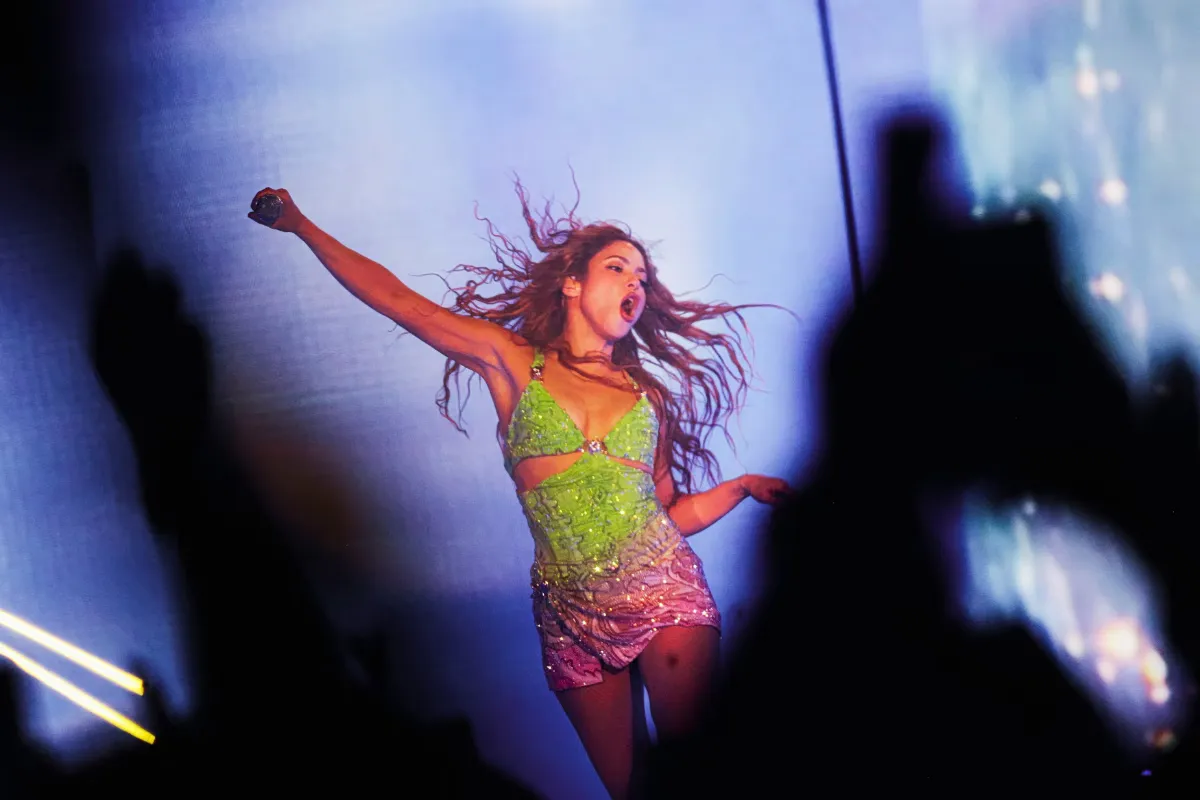
Shakira's recent residency in Madrid marks a definitive shift from her previous departure from Spain, which was characterized by personal hardship. After an eight-year absence, her Las Mujeres Ya No Lloran World Tour transformed the Spanish capital into a hub of female solidarity. The scale of the event was unprecedented, featuring a temporary 55,000-capacity stadium and a dedicated cultural village known as Macondo Park, inspired by the literary world of Gabriel García Márquez.
This comeback is viewed by many as a strategic statement of power. Having left Barcelona under emotional distress following her separation from Gerard Piqué, her triumphant return to Madrid serves as a reclamation of her narrative. She addressed this directly to her audience, asking them to compare the face with which she left the country to the one with which she has returned.
The cultural impact of Macondo Park
The tour extended beyond mere musical performances by creating an immersive cultural environment. Macondo Park offered attendees food, literature, and art exhibitions, effectively celebrating Latin culture on a massive scale. This approach turned the concert series into a communal experience for a diverse audience of mothers, daughters, and grandmothers from Colombia, Spain, Germany, and Denmark, all united under the concept of the 'pack' or 'herd' (la manada).
Why is Shakira considered a feminist icon?
Shakira's identity as a feminist icon is rooted in her long-standing advocacy for female agency and her ability to break industry stereotypes. While she has historically been careful with labels—noting during her Oral Fixation Vol. 2 era that she felt her feminine side but also engaged with the masculine aspects of life—her later work has leaned heavily into gender discourse. According to Rolling Stone, she is the woman who broke stereotypes and revitalized Latin American pop-rock, paving the way for subsequent female artists.
Her feminist stance has evolved from personal expression to systemic advocacy. She has expressed a deep commitment to ensuring girls receive the same educational and professional opportunities as boys, arguing that inequality often begins in childhood. In recent years, her music has become a tool for analyzing the struggles women face in a patriarchal society, moving from the 'She Wolf' persona to more explicit critiques of social structures.
The evolution of her lyrical themes
Throughout her three-decade career, Shakira's lyrics have transitioned from romantic narratives to complex social commentaries. Experts have analyzed her discography to understand how she uses music to navigate gendered expectations. Her ability to blend personal vulnerability with a demand for respect has made her a subject of study in gender studies, particularly regarding how she constructs different versions of female identity—ranging from the romantic lover to the sexually empowered 'She Wolf'.
What role does her music play in female empowerment?
Shakira's discography serves as a roadmap for female autonomy, often addressing the refusal to remain trapped in toxic relationships. The Billboard Top 5 'anthems of female empowerment' list includes tracks from her Laundry Service album, such as 'Objection (Tango)' and 'Rules', which depict a woman asserting her boundaries. Her music provides a voice for those navigating the complexities of modern relationships and societal pressures.
The 2023 collaboration with Bizarrap (BZRP Music Sessions, Vol. 53) represents a pinnacle of this empowerment through vulnerability. While the track sparked debate regarding female solidarity due to its personal nature, many experts viewed it as a refusal to remain static or submissive. According to El Plural, the song allowed her to reclaim her dignity and self-esteem against patriarchal ideologies that demand female silence.
Sociological analysis of her recent work
The impact of her recent music has reached academic circles, including the National Autonomous University of Mexico (UNAM), where gender studies experts analyzed the symbolic meaning of her lyrics. These analyses often connect her work to broader issues of gender-based violence and the psychological processing of public heartbreak. By channeling grief and anger into her art, she has turned personal trauma into a collective experience of resilience for her listeners.
How has Shakira influenced the Latin American identity?
Shakira has acted as a global representative for Latin American women, bridging the gap between regional sounds and the international mainstream. Music industry leaders, such as Karol G, have cited her as a source of inspiration, noting that she empowered Latin artists to trust their own creativity rather than relying on external appearances. Her success has helped dismantle stereotypes regarding Latin American culture and facilitated a 'crossover' that respects her roots.
For the generation of the 1990s, Shakira was more than a pop star; she became a symbol of how to challenge established norms. Her influence extended to fashion, lifestyle, and, most importantly, a new way for young women to express themselves. By outperforming male counterparts in sales and breaking through gendered barriers in a male-dominated industry, she proved that female-driven pop could be both commercially dominant and artistically profound.
FAQ: Shakira's impact and legacy
How many people attended Shakira's Madrid shows?
The Madrid residency involved 12 performances and attracted more than 600,000 ticket holders. The event featured a specially constructed stage with a capacity of 55,000 spectators, creating a massive cultural gathering centered around the Las Mujeres Ya No Lloran World Tour.
Is Shakira officially a feminist?
While Shakira has been cautious about adopting specific labels in the past, she has stated in interviews with Marie Claire that she considers herself a feminist. Her focus remains on achieving equality in education, work, and fundamental rights for women globally.
What is the significance of the 'She Wolf' persona?
The 'She Wolf' (la loba) persona represents female sexual desire and autonomy. It has been analyzed as a symbol of the modern woman and a way to express identity within the LGBTQ+ community, challenging traditional norms of female behavior.
How did her breakup affect her musical output?
Her separation from Gerard Piqué led to a period of intense musical output that addressed themes of betrayal and self-recovery. Songs like the BZRP session were analyzed by experts as tools for processing emotional pain and reclaiming personal dignity through public art.
What is Macondo Park?
Macondo Park is a thematic village created for Shakira's tour as a tribute to the literary world of Gabriel García Márquez. It provided fans with an immersive experience including food, art, and literature, celebrating Latin American heritage.
Key takeaways
- Shakira's Madrid tour attracted over 600,000 attendees, marking a major cultural comeback.
- She has evolved from a pop singer into a significant symbol of female empowerment and autonomy.
- Her music is frequently studied by academic institutions for its social and gender-related symbolism.
- She has paved the way for Latin American women to achieve global mainstream success.
The legacy of a global icon
Shakira's journey from a 'wounded wolf' to a symbol of unapologetic empowerment illustrates the profound connection between personal resilience and cultural influence. By turning her private struggles into a public manifesto for equality, she has transcended the role of a mere entertainer. Her legacy lies in her ability to represent the complexities of the female experience, providing a voice for millions of women across the globe. As she continues to redefine the boundaries of pop music, her impact on gender discourse and Latin American identity remains unparalleled.







