
Why is inflation in Greece outpacing the Eurozone average?
Inflation in Greece reached 5.1% in September 2026, a figure that stands in sharp contrast to the Eurozone average of 3.8% estimated for the same period. This discrepancy highlights a significant divergence between the Greek economy and its European neighbors. The current inflationary pressure also represents a major failure in meeting previous government projections; last year's budget anticipated inflation would drop to 2.2% in 2026, while this year's draft suggested a more moderate 3.8%.
The core of this inflationary surge is found in the annual increase of specific essential categories. The 'Housing' group, which includes rent, home maintenance, electricity, and heating fuels, saw a staggering 14.7% increase. Simultaneously, the 'Transport' sector—encompassing fuel, vehicle maintenance, and passenger transport—rose by 11.3%.
The breakdown of essential cost increases
To understand the scale of the pressure on Greek households, one must look at the specific commodities driving these indices. The energy sector has seen unprecedented price hikes over the last year:
- Natural gas: +55.2%
- Heating oil: +53.2%
- Diesel: +38.8%
- Gasoline: +22.5%
- Electricity: +15%
Beyond energy, the cost of basic sustenance and services has also climbed, with beef rising by 12.3%, lamb by 9.7%, airline tickets by 22%, and accommodation costs by 29.8%. These figures illustrate that inflation is not merely a statistical fluctuation but a pervasive increase in the cost of survival.
How are energy and geopolitical factors driving the crisis?
Geopolitical developments are the primary catalysts for the current energy price surge, which serves as the foundation for broader inflationary trends. The volatility in global energy markets, particularly affecting Europe, has created a situation where high costs are likely to persist. This is not a temporary spike; rather, these costs are being passed down the supply chain.
As energy becomes more expensive, the costs of producing and transporting goods rise accordingly. This creates a secondary wave of inflation that hits consumer prices long after the initial energy shock. Furthermore, the global trend of rising bond yields suggests that investors are pricing in higher long-term inflation. This trend is expected to drive up interest rates, subsequently increasing borrowing costs for businesses. These increased business expenses are ultimately transferred to consumers, further eroding purchasing power.
What is the impact of the housing crisis on Greek households?
The current inflationary wave is uniquely dangerous because the most significant increases are occurring in housing costs rather than general consumer goods. This shift changes the nature of the economic struggle from one of lifestyle adjustment to one of basic necessity and survival.
When inflation is driven by discretionary spending, citizens might choose to cut back on entertainment or luxury items. However, because the current crisis is centered on housing and energy, the consequences are far more severe. Families are facing a reality where they may struggle to pay rising rents or be forced to forgo essential heating during the winter months to avoid financial ruin.
In urban centers like Athens, this has evolved into a localized housing crisis. The combination of high rents and soaring utility costs creates a state of permanent economic insecurity. This is particularly concerning as the winter season approaches, which traditionally increases the demand for heating and, consequently, the financial burden on low-to-middle-income households.
How does the government's economic policy respond to these challenges?
The Greek government's current approach focuses on maintaining high primary surpluses and fiscal austerity, a strategy that critics argue prioritizes debt management over social cohesion. While the administration promotes these surpluses as a sign of stability, the reality on the ground suggests a widening gap between macroeconomic indicators and the lived experience of the population.
Current government interventions have been characterized as "half-measures" that fail to address the root causes of the cost-of-living crisis. Critics suggest that more decisive state intervention is required to protect the social fabric. Proposed measures include:
- Temporary reductions in special consumption taxes and indirect taxes.
- Implementing price caps on refinery profits to stabilize energy costs.
- Increasing the minimum wage and public sector salaries to match inflation.
The government's reluctance to implement these measures is often attributed to its commitment to fiscal discipline. By focusing on "gentlemen's agreements" and market-friendly policies, the state is accused of leaving the population without a protective mechanism against a prolonged period of high costs. This policy direction views profits as a priority over social needs, potentially risking the very social stability the government claims to protect.
Can the social crisis lead to widespread instability?
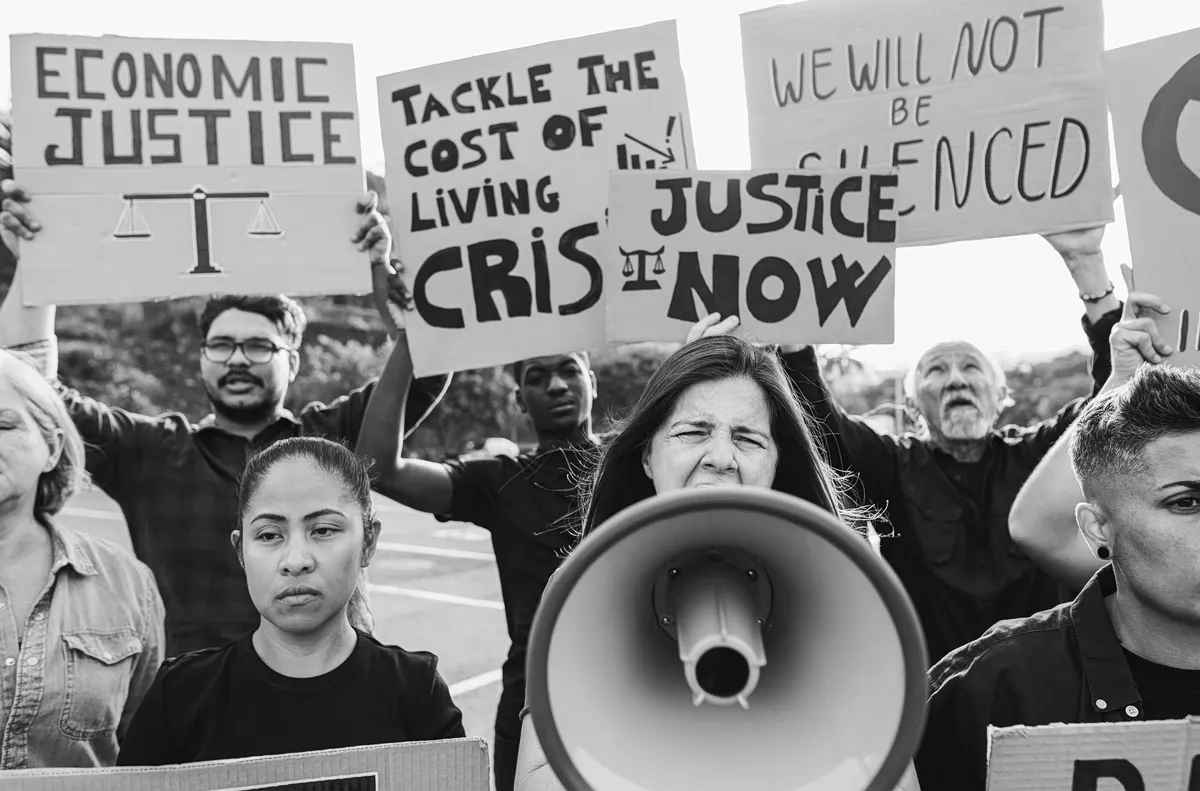
The convergence of high living costs, a failing healthcare system, and educational challenges creates a volatile environment that could trigger social unrest. The cost-of-living crisis is unique because it unifies diverse social strata under a shared sense of economic insecurity.
Unlike specific sectoral issues, the broad increase in the cost of essential goods affects almost every segment of society. This shared vulnerability can act as a catalyst for intense social demands and protests. When citizens perceive that the economic pain is not an unavoidable global phenomenon but a result of specific domestic policy choices, the potential for political backlash increases significantly.
As the winter approaches and energy needs intensify, the pressure on households will only grow. The current political landscape suggests that if the government continues to prioritize fiscal metrics over the immediate needs of the citizenry, voters may seek alternatives in upcoming elections, viewing "stability" as a euphemism for social decline.
Key takeaways
- Greek inflation reached 5.1% in September 2026, significantly higher than the 3.8% Eurozone average.
- Housing costs rose by 14.7% and transport costs by 11.3% on an annual basis.
- Energy prices saw massive spikes, including a 55.2% increase in natural gas.
- The crisis is driven by housing and energy costs rather than discretionary consumer goods.
- Current government policy prioritizes fiscal surpluses over direct social relief measures.
FAQ: Social crisis in Greece
What is the current inflation rate in Greece?
As of September 2026, the inflation rate in Greece stands at 5.1%. This figure is notably higher than the estimated Eurozone average of 3.8% for the same period, indicating a more intense inflationary environment within the Greek economy.
Which sectors are experiencing the highest price increases?
The housing sector is experiencing the most significant rise, with a 14.7% increase in costs. This includes rent, electricity, and heating. The transport sector follows with an 11.3% increase, driven largely by rising fuel and vehicle maintenance costs.
How is energy inflation affecting consumers?
Energy costs are driving much of the inflation, with natural gas up 55.2% and heating oil up 53.2%. These increases lead to higher utility bills and contribute to a broader rise in the price of goods and services due to increased production and transport costs.
Why is the housing crisis considered a social risk?
The housing crisis is a major social risk because it affects essential needs rather than luxury spending. High rents and energy costs force households to choose between basic necessities, such as heating and food, creating widespread economic insecurity and potential social unrest.
What are the proposed solutions to the cost-of-living crisis?
Proposed solutions include reducing indirect taxes, placing caps on refinery profits to control energy prices, and increasing the minimum wage and public sector salaries to ensure that incomes keep pace with the rising cost of living.
Conclusion
The rising inflation in Greece, particularly in the housing and energy sectors, has transitioned from a statistical trend to a profound social reality. With inflation at 5.1%, far exceeding the Eurozone average, the economic pressure on households is intensifying. The current government's emphasis on fiscal surpluses and austerity risks overlooking the urgent need for social protection. As energy costs continue to rise and the winter season approaches, the gap between macroeconomic stability and social cohesion will likely widen. Ultimately, the ability of the state to implement decisive interventions may determine whether this period of economic hardship leads to long-term instability or a fundamental shift in political direction.







