Why are social media bans being implemented?
Social media platforms are currently navigating a transformative and turbulent landscape. The industry is facing massive legal challenges, including lawsuits totaling over $17 billion in settlements or compromises involving giants like YouTube and Meta (the parent company of Instagram and Facebook). These legal battles stem from allegations of negligence, platform designs that encourage addictive behavior in children, and the misleading of the public regarding safety and privacy protections.
In response to these pressures, governments are increasingly turning toward regulation. Australia took a leading role by implementing a ban on social media access for children under the age of 16, which went into effect in December 2025. This move has sparked a global trend; more than 20 countries—ranging from Greece and Canada to the United Arab Emirates—are currently exploring or promoting similar restrictions for minors.
However, the motivations behind these laws are not uniform. According to Professor of Digital Media and Marketing Ari Laitman, while the protection of youth mental health is a central argument in almost all cases, some governments are driven by different priorities. For certain nations, the push for restrictions is rooted in concerns over national security and the political influence exerted by foreign companies, while others focus primarily on the protection of user privacy. The specific regulations vary widely across borders, differing in age thresholds, requirements for parental consent, and the technical methods used for age verification.
What impact do social media bans have on mental health?
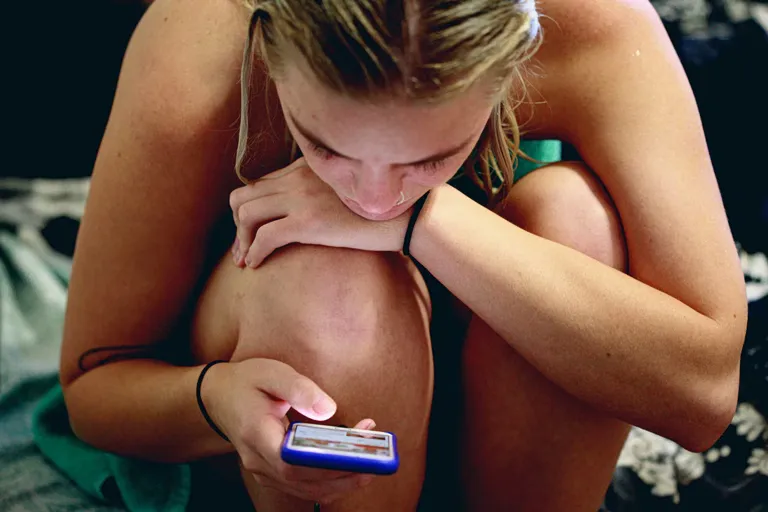
The conversation regarding the psychological impact of digital platforms has gained significant momentum, fueled in part by the 2024 release of Jonathan Haidt's book, "The Anxious Generation." Haidt argues that the pervasive use of digital platforms is fundamentally altering the social and neurological development of children, contributing to a rise in anxiety and depression. He identifies several specific mechanisms through which this occurs: sleep deprivation, fragmented attention spans, increased loneliness, constant social comparison, and the intense pressure to maintain a facade of perfection.
Statistical data provides a sobering backdrop to these concerns. A study conducted in 2026 revealed that young people between the ages of 14 and 20 are more than twice as likely to face mental health challenges compared to their counterparts from 50 years ago. Global estimates from 2021 further highlight the scale of the issue, showing that 20.5% of youth experienced severe anxiety symptoms, while 25.2% suffered from severe depressive symptoms.
Yet, experts caution against viewing social media as the sole culprit. The reality is complex. Part of the perceived rise in mental health issues may be attributed to increased awareness and improved diagnostic capabilities, allowing more cases to be identified. Furthermore, the COVID-19 pandemic acted as a massive catalyst, exacerbating social isolation and loneliness as work, education, and social interactions were forcibly migrated to the digital realm. While social media may certainly aggravate existing vulnerabilities, it is not necessarily the single, primary cause of the current mental health landscape.
Are there benefits to social media that should be considered?
When discussing age restrictions, social media is frequently compared to substances like alcohol or tobacco. However, there is a fundamental distinction: digital platforms are not exclusively sources of risk. They also offer significant social and educational advantages that cannot be easily ignored.
For many adolescents, particularly those who feel marginalized or disconnected from their immediate physical environment, social media serves as a vital lifeline. It provides opportunities to connect with others who share similar experiences and interests, offering a sense of community that may be unavailable in their local towns or schools. These platforms also act as hubs for self-expression, information gathering, and participation in diverse communities.
The data supports this social utility. A study by the Pew Research Center in the United States found that 80% of teenagers reported that social media helps them stay informed about the lives of their friends. This highlights a critical tension in the regulatory debate: while the risks of addiction and psychological distress are real, the benefits of connectivity and information access are also profound. This suggests that a binary approach of "total ban" versus "total freedom" may miss the nuance required to address the issue effectively.
How effective are social media bans in practice?
[TO VERIFY: The provided source text cuts off mid-sentence regarding the effectiveness of Australian bans. The following section is based on the available context of the debate.]
The practical implementation of social media bans remains one of the most significant hurdles for policymakers. Even in countries where strict laws have been enacted, such as Australia, the effectiveness of these measures is subject to intense scrutiny. The core challenge lies in the technical and behavioral ways in which minors can circumvent age restrictions.
Common methods of bypassing bans include the use of false information during sign-up processes or the utilization of Virtual Private Networks (VPNs) to mask a user's true location and age. Because age verification technologies are often imperfect or easily fooled, there is a risk that bans create a "false sense of security" rather than actual protection. Furthermore, there is a concern that strict bans might not stop usage, but rather push children toward less regulated, more obscure, and potentially more dangerous corners of the internet where oversight is non-existent.
Frequently asked questions
What are the main reasons for implementing social media bans?
The primary driver is the protection of youth mental health. However, motivations also include concerns regarding data privacy and, in some instances, national security and the influence of foreign entities.
Do social media bans effectively reduce mental health issues?
The effectiveness is a subject of ongoing debate. While they aim to reduce exposure to harmful environments, social media is only one of many factors—including the effects of the COVID-19 pandemic and improved medical diagnosis—contributing to mental health trends.
How do minors bypass social media bans?
Minors often use tools like VPNs or provide false information to circumvent age verification systems, making enforcement a significant challenge for regulators.
What are the benefits of social media for children?
Social media can facilitate community building, provide spaces for self-expression, and help teenagers stay connected with their social circles, as noted by Pew Research Center data.
Key takeaways
- Social media platforms face massive legal liabilities, with settlements exceeding $17 billion.
- Over 20 countries are exploring or implementing age-based restrictions for social media.
- Mental health concerns, including rising anxiety and depression, are central to the regulatory push.
- Social media offers significant benefits for social connection and information, which complicates the argument for total bans.
- The effectiveness of bans is challenged by the ease with which minors can bypass age verification.