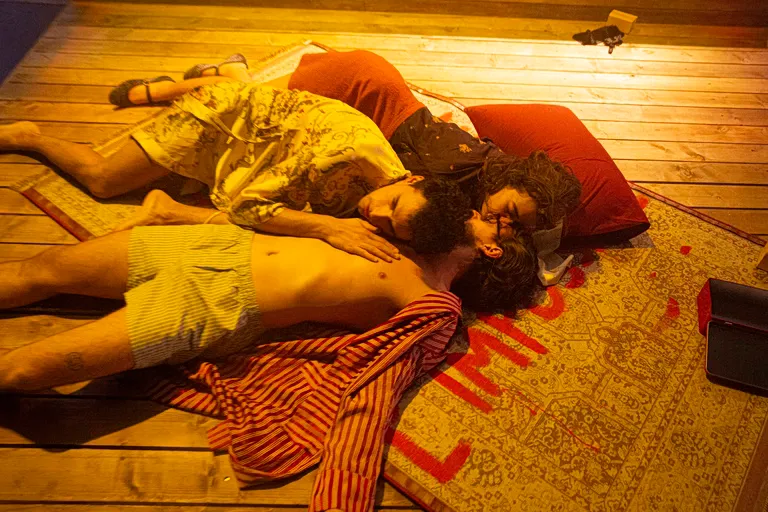
Final dates and venue details for The Dreamers
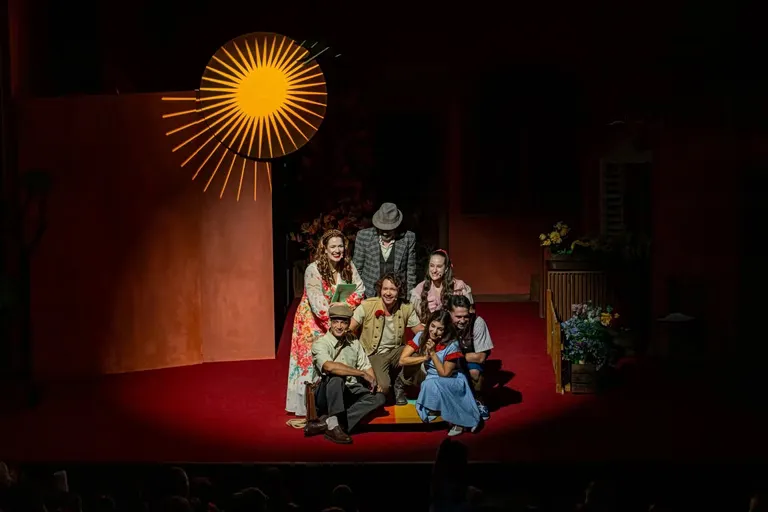
The Dreamers performance will conclude its current run at Syntempo Theatro in Syntagma on Sunday, November 29, 2026. Directed by Konstantinos Rigos, the production has become a focal point for audiences interested in historical drama and the cultural legacy of the French New Wave. The play serves as a narrative bridge between the private lives of its characters and the public unrest occurring in the streets of Paris.
Production Schedule Summary
| Event Detail | Information |
|---|---|
| Venue | Syntempo Theatro, Syntagma |
| Closing Date | November 29, 2026 |
| Director | Konstantinos Rigos |
The historical setting of Paris, May 1968
The production is centered on the atmosphere of Paris during the May 1968 uprisings, a period defined by student protests, barricades, and widespread political slogans. Within this setting, the play depicts a generation claiming the right to dream without boundaries. The narrative contrasts the external chaos of the revolution with the internal, private utopia inhabited by the main characters.
As the streets fill with protesters and political demands, the characters navigate a world where cinema is not merely entertainment but a way of life. This historical backdrop provides the friction necessary for the drama, as the characters' personal revolutions—driven by passion and power—inevitably collide with the broader historical movement occurring outside their doors.
Narrative origins and literary foundations
The play is an adaptation by Tom Kinninmont, based on the novel by Gilbert Adair. The source material gained significant international recognition through the film adaptation directed by Bernardo Bertolucci. By utilizing this foundation, the stage production engages with a story that is simultaneously a romantic tale, a coming-of-age drama, and a political commentary.
The script explores how images and cinema shape human existence and how the power of fantasy often fails to provide protection against harsh realities. The production aims to evoke nostalgia for the Nouvelle Vague while examining the enduring tension between escapism and the necessity of facing real-world consequences.
Key Narrative Elements
- Literary Source: Novel by Gilbert Adair.
- Adaptation: Written by Tom Kinninmont.
- Cinematic Connection: References the legacy of Bernardo Bertolucci's film.
- Core Themes: Love, youth, cinema, and revolution.
Cast and character dynamics
The production features a cast that balances emerging talent with award-winning performers. The central roles involve a complex interplay of desire and authority among three young individuals. The character of Matthew, an American student in Paris, serves as the lens through which the audience experiences the French capital and the twin siblings, Theo and Isabelle.
The casting for the production includes:
- Ioino Athanasiadou: Performing the role of one of the twin siblings in her debut appearance.
- Vasilis Boutzikos: Performing the role of the other twin; he is the recipient of this year's Horn Award.
- Nikolas Chalkiadakis: Portraying the character of Matthew.
Thematic exploration of escapism and reality
Konstantinos Rigos focuses the stage direction on the conflict between the human need for escape and the unavoidable encounter with reality. The "Dreamers" inhabit a unique universe where the boundaries between cinematic passion and lived experience are blurred. This tension is central to the play's exploration of how youth and rebellion intersect.
The production examines the power of visual culture to define how individuals perceive themselves within the world. It posits that while imagination can create a private utopia, it cannot indefinitely shield its inhabitants from the momentum of history. The play ultimately functions as an inquiry into what it means to dream and what it means to demand change in a shifting political landscape.