
What are the details of the new Iowa steel mill project?
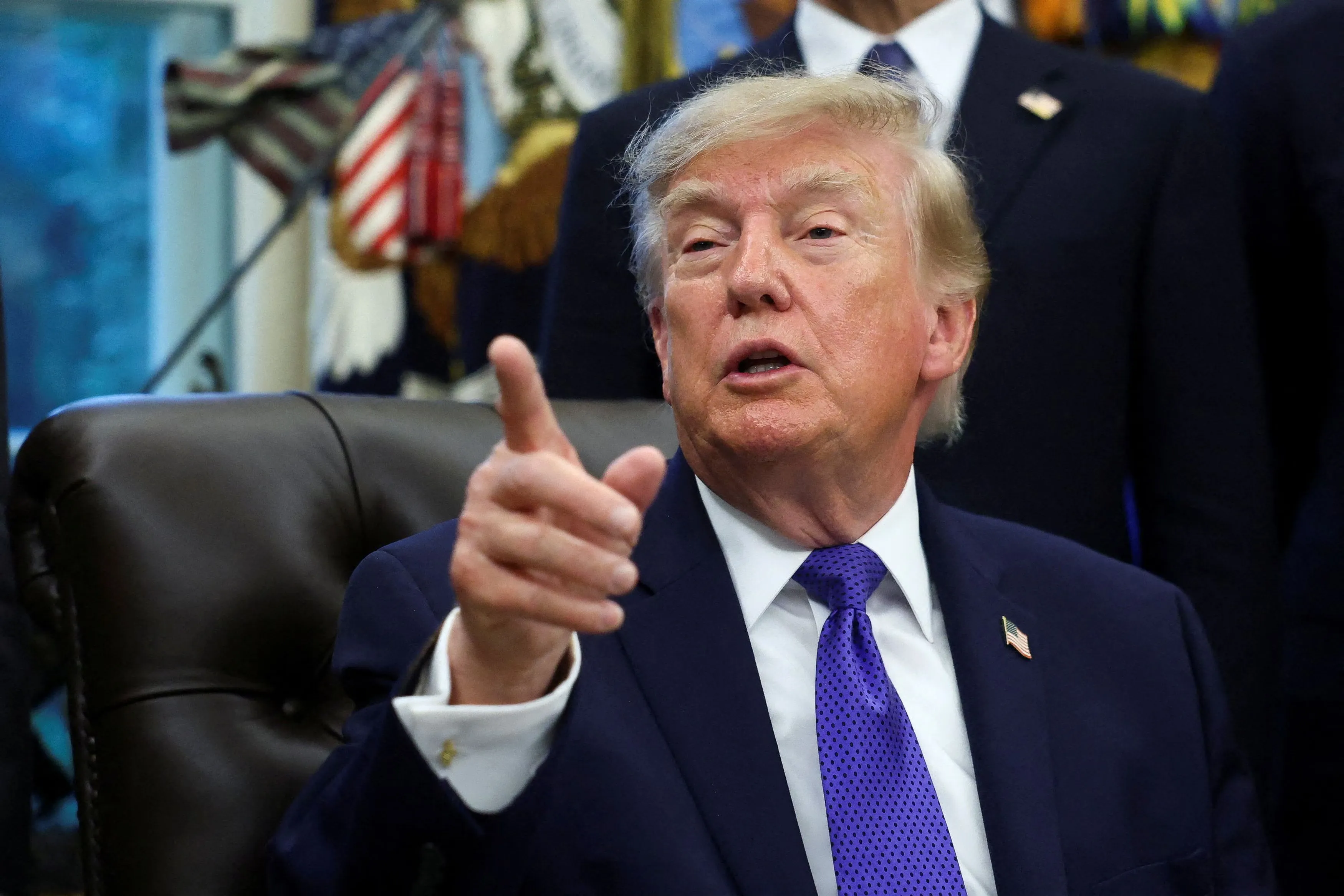
The proposed steel mill in Iowa is set to be a landmark industrial facility, with an estimated total investment reaching $18 billion. According to announcements made by President Donald Trump at the Oval Office, the project is being led by the company Mesabi Metallics. The President characterized the facility as "the largest" steel plant in the "history" of the United States, positioning it as a cornerstone of his administration's industrial policy and a testament to his economic vision.
The scale of the investment is intended to signal strength in the domestic manufacturing sector. By focusing on Iowa, a central state in the American heartland, the administration aims to demonstrate the tangible benefits of its economic approach. The project is not merely an industrial expansion but is being presented as a definitive proof of the current state of the American economy, which the President described as being "better than ever before." This assertion comes at a time when his administration's economic achievements are facing intense criticism.
The project represents a massive capital expenditure that aims to reshape the industrial landscape of the Midwest. By anchoring such a significant development in Iowa, the administration is attempting to provide a concrete example of industrial growth that can counter negative economic narratives. The sheer magnitude of the $18 billion budget suggests a facility of unprecedented scale, intended to serve as a pillar of American heavy industry for decades to come.
The role of Mesabi Metallics
Mesabi Metallics is the primary entity driving this massive capital expenditure. The company's involvement signifies a significant commitment to heavy industry in the Midwest. While the specific technical details of the plant's operations are still being framed by the administration, the involvement of Mesabi Metallics is central to the plan to build what the President calls the largest steel plant in the country's history.
The administration's presentation of the Mesabi Metallics plan serves to underscore the scale of what is being termed a "transformational" development for the region. The company's leadership in this project provides the operational backbone for an investment that seeks to redefine the capacity of American steel production. For the residents of Iowa, the presence of Mesabi Metallics as the project lead is the driving force behind the promised economic revitalization of the area.
How many jobs will the steel mill create in Iowa?
The project is projected to generate thousands of employment opportunities across different phases of development, providing a significant boost to the regional labor market. The administration has outlined a clear division of labor that spans from the initial construction period to the long-term operational life of the facility. This influx of employment is expected to have a profound impact on the local economy, particularly in the Southeast Iowa region.
According to the project outlines and supporting political figures, the job creation is categorized into two primary streams: temporary construction roles and permanent industrial positions. The construction phase is expected to be a major driver of immediate economic activity, creating 6,000 jobs to handle the massive building requirements of the $18 billion site. Once the facility becomes operational, it is anticipated to sustain approximately 2,000 permanent jobs within the steel mill itself.
The total projected impact of 8,000 jobs is being hailed by supporters as a transformative force for the local community. The transition from a massive construction workforce to a stable, long-term industrial workforce is designed to provide both immediate stimulus and lasting economic security. As noted by political figures responding to the announcement, the scale of these jobs is specifically designed to change the economic trajectory of the area.
| Job Category | Estimated Number of Positions |
|---|---|
| Construction Phase | 6,000 |
| Permanent Mill Operations | 2,000 |
| Total Projected Impact | 8,000 |
Why is the timing of this announcement significant for US politics?
The announcement of the Iowa steel mill comes just weeks before the critical 2026 US midterm elections, scheduled for November 3. This timing suggests a strategic effort to bolster economic sentiment among voters in key states. For the Trump administration, highlighting large-scale industrial successes serves as a vital counter-narrative to critics who have frequently questioned the efficacy of his economic policies and the current state of the economy.
The political landscape heading into these elections is described as highly challenging for the current administration. National polling suggests that the Republican party may face an uphill battle, with some forecasts indicating a potential shift toward Democratic majorities. Specifically, predictions from various institutes suggest that Democrats may be heading toward a majority in the House of Representatives, which is undergoing a full renewal. The battle for the Senate is expected to be equally intense, with the possibility of the opposition party gaining ground there as well.
The battle for the Senate and Iowa
In Iowa specifically, the political situation remains complex and uncertain. While Donald Trump secured a victory in the state during the 2024 presidential elections, the upcoming midterms present a different set of challenges for his party. The Republican candidate for the Senate seat representing Iowa, Ashley Hanson, is currently trailing her Democratic opponent in recent opinion polls.
Hanson's presence at the White House during the announcement highlights the high stakes for the Republican party in this state. The ability of the party to maintain its influence in Iowa through large-scale industrial promises like the Mesabi Metallics project will be a decisive factor. The administration is essentially attempting to turn an industrial announcement into a political lifeline for candidates like Hanson who are currently struggling in the polls.
What is the broader economic context of the announcement?
The $18 billion investment is being framed as a major victory for American manufacturing and a sign of economic resilience. President Trump used the announcement to assert that the American economy is performing at an unprecedented level, describing it as "better than ever." This rhetoric is designed to reassure both investors and the voting public that the domestic industrial base is expanding and capable of massive, self-sustaining growth.
However, this optimistic framing exists alongside significant criticism. The administration's economic record is under intense scrutiny, and the announcement of the steel mill serves as a high-profile attempt to pivot the conversation. By focusing on a massive, tangible project in the Midwest, the White House is attempting to move the focus away from abstract macroeconomic debates and toward concrete local benefits, such as the creation of thousands of jobs and the revitalization of the steel industry.
Ultimately, the success of this economic messaging will be tested by the electorate. The administration is betting that the promise of 8,000 jobs and a historic $18 billion investment will resonate more deeply with voters than the criticisms leveled against their economic management. The outcome of this strategy will be closely watched as the country approaches the November 3 elections.
Frequently asked questions
How much is the total investment for the Iowa steel mill?
The total investment for the new steel mill project in Iowa is estimated to reach $18 billion. This massive capital expenditure is being directed toward the construction and operation of the facility, which is being led by Mesabi Metallics and described by President Trump as a historic undertaking for the United States.
How many permanent jobs will be created?
Once the facility is fully operational, the steel mill is expected to sustain approximately 2,000 permanent jobs. These positions are intended to provide long-term economic stability to the region, particularly in Southeast Iowa, following a massive construction phase.
What is the role of Mesabi Metallics in this project?
Mesabi Metallics is the lead company responsible for the execution of the steel mill project. The company is spearheading the $18 billion investment and is the primary entity behind the plan to build what the President has called the largest steel plant in the history of the country.
When are the upcoming US midterm elections?
The US midterm elections are scheduled to take place on November 3, 2026. These elections are considered critical because the entire House of Representatives will be up for renewal, and the battle for control of the Senate will be intense.
Will the steel mill impact the 2026 elections?
The announcement is widely viewed as having significant political implications due to its proximity to the November 3 elections. By highlighting the creation of 6,000 construction jobs and 2,000 permanent jobs, the administration is attempting to influence voter sentiment in key areas like Iowa ahead of the midterms.
Key takeaways
- A massive $18 billion steel mill project has been announced for Iowa, led by Mesabi Metallics.
- The project is described by President Trump as the largest steel plant in the history of the United States.
- The development is expected to create 6,000 construction jobs and 2,000 permanent positions.
- The announcement comes just weeks before the critical November 3, 2026, US midterm elections.
- The political impact in Iowa is significant, as Republican Senate candidate Ashley Hanson currently trails in polls.
The economic and political intersection in Iowa
The announcement of the Iowa steel mill represents a critical convergence of industrial policy and electoral strategy. While the $18 billion investment and the promise of 8,000 total jobs offer a significant boost to the regional economy, the timing is inextricably linked to the 2026 midterm elections. For the Trump administration, the project serves as a vital piece of economic evidence to present to a skeptical electorate and a way to combat criticisms of the nation's economic state.
As the elections approach, the focus in Iowa will likely remain on whether such large-scale industrial promises can translate into political stability. With the Republican candidate for the Senate currently trailing in the polls, the Mesabi Metallics project may become a central pillar of the campaign to retain control of the state. Whether this industrial milestone can shift the political momentum remains one of the most important questions heading into November.







