
What is the history and origin of the Welsh Corgi Cardigan?
The Welsh Corgi Cardigan boasts a history spanning approximately 3,200 years, tracing its roots back to the Celts who arrived in Wales around 1200 BCE. This ancient lineage suggests a breed that has evolved alongside human civilization for millennia. Some historical theories even suggest the breed may have been influenced by dogs brought by Viking settlers, adding another layer to its complex heritage.
The very name of the breed is deeply rooted in its Welsh origins, derived from the words 'cor', meaning dwarf, and 'ci', meaning dog. This linguistic connection highlights their identity as small but significant members of the canine world.
Historically, these dogs were far more than just charming companions; they were essential, hardworking members of Welsh farm life. They were specifically developed as cattle drovers, a role that required immense bravery and precision. Utilizing their low profile, they could navigate the dangerous spaces around large livestock, nipping at the heels of cattle to guide herds effectively. Their height was a strategic advantage, allowing them to stay low enough to avoid the powerful, potentially fatal kicks of the animals they managed. This functional, working heritage has left a lasting imprint on their brave, sturdy, and energetic physical build.
What defines the temperament and personality of a Cardigan?
Cardigan Welsh Corgis are characterized by a vibrant and often spirited temperament. They are known for their "big personalities," which frequently result in humorous expressions and delightful antics that can make any owner laugh. While they are incredibly loyal and devoted to their families—often wanting to follow their humans everywhere and even "help" with household chores—they are not merely submissive followers.
Because they are highly intelligent working dogs, they possess a significant degree of independence. This intelligence means they are capable of thinking for themselves, which can occasionally manifest as stubbornness. If a Cardigan does not find a particular command or task interesting, they might simply choose to ignore it or "whistle" indifferently at the request. They are dogs that think about what is being asked of them before they decide to comply.
Their social nature makes them excellent animals for companionship, and they are known to develop wonderful bonds with children. However, owners must remain mindful of their innate herding instincts. Due to their history as cattle drovers, they may attempt to "guide" children or other pets by nipping at their heels. While this behavior can be intimidating, it is entirely manageable through consistent guidance, proper training, and early socialization.
Socializing with other pets
When properly socialized from puppyhood, Cardigans tend to coexist remarkably well with other animals. They are known to get along famously with both other dogs and cats, provided they have been introduced correctly. Their intelligence and ability to adapt allow them to integrate into diverse household environments, as long as their need for mental stimulation and physical activity is met to satisfy their natural instincts.
How should you care for a Welsh Corgi Cardigan?
Proper care for this breed requires a balanced approach to physical exercise, mental engagement, and specific grooming routines. As high-energy dogs, they are not content to sit still all day, especially during their younger years. They require daily walks to maintain their physical health and mental equilibrium.
Furthermore, they respond exceptionally well to structured activities. Because of their sharp minds, they thrive in canine sports such as agility training. Without this type of outlet, their intelligence and energy may lead to boredom or mischief. Providing them with ways to use their brains is just as important as providing them with ways to use their legs.
Grooming requirements are centered around their impressive double coat, which is designed to be weather-resistant and helps to repel dirt. This means that while they may not require frequent baths, they do demand regular maintenance. Frequent brushing is essential, particularly during the spring and autumn when they undergo intense periods of shedding. Additionally, their large, upright ears and their nails require regular, routine checks and cleaning to ensure ongoing hygiene and health.
Managing weight and spinal health
One of the most critical aspects of Cardigan care is the management of their unique anatomy. They possess a long torso paired with relatively short legs, a structure that makes them particularly vulnerable to orthopedic issues. Maintaining an ideal weight is not just about aesthetics; it is a vital health requirement. Obesity places undue and dangerous stress on their joints and their spinal column.
To protect their long-term mobility, owners should be proactive in preventing weight gain. It is also recommended to avoid activities that put sudden or repetitive strain on their backs, such as allowing them to jump frequently from high surfaces like beds or sofas, or excessive climbing of stairs. Protecting their spine is a lifelong commitment for any Cardigan owner.
What are the health risks and how can they be avoided?
The Welsh Corgi Cardigan is generally considered a hardy and resilient breed, with a typical lifespan ranging from 12 to 15 years. However, their specific body type and genetic history mean certain health concerns require vigilant monitoring. Potential issues can include hip dysplasia, heart disease, and blindness.
The most significant way to mitigate these risks is to be extremely cautious about where you acquire your puppy. The greatest danger to the breed's health comes from "backyard breeders"—unresponsible individuals who breed dogs for easy profit rather than health and temperament. These breeders often lack knowledge of genetics and fail to perform necessary health screenings or obtain official certifications. This can result in puppies suffering from severe hip dysplasia, heart problems, or blindness due to the mating of closely related animals.
Furthermore, unregulated breeding can lead to anatomical abnormalities and a weakened immune system in the offspring. Puppies from these sources may also have been raised in unhygienic conditions, suffering from parasites or malnutrition during critical developmental stages. There is also the risk of puppies being separated from their mothers too early—before the 12-week mark—which can lead to lifelong issues with anxiety, fear, or aggression due to a lack of proper socialization.
Identifying a responsible breeder
To ensure you are bringing home a healthy, well-adjusted companion, the only safe choice is to seek out a recognized breeder who is officially registered with organizations like the Kennel Club. A professional breeder follows a strict ethical code and adheres to all relevant legislation. They will provide a pedigree (a genealogical record) and can offer information regarding the health and temperament of the puppy's ancestors.
A reputable breeder will perform thorough health examinations on the parent dogs to minimize the risk of passing on hereditary conditions. If you are not looking to purchase from a breeder, adopting from an animal welfare organization is an excellent alternative. This provides a tested and vaccinated pet while giving a deserving dog a second chance at a happy life.
What are the physical characteristics and colors of the breed?
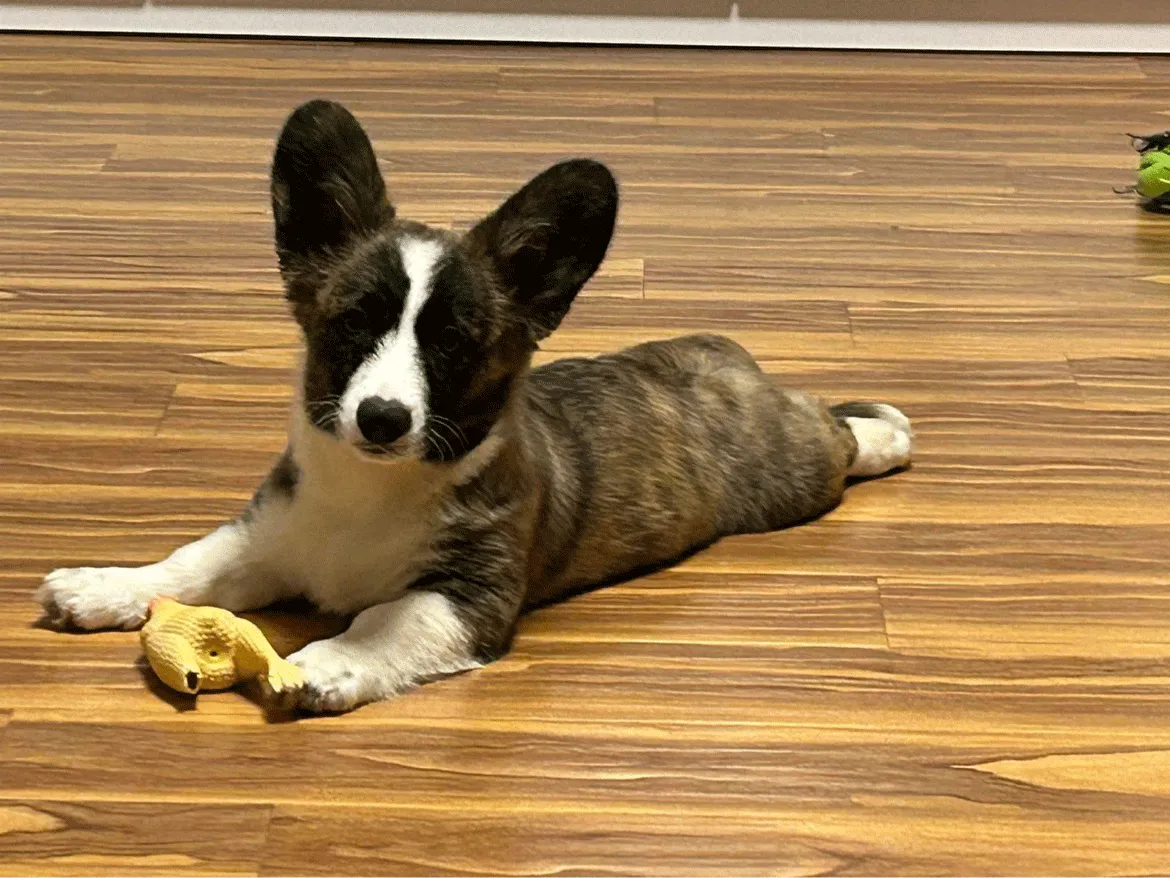
The Cardigan is a medium-sized dog with a sturdy, bone-heavy build and a characteristically long body. They are easily recognized by their large, upright, and rounded ears, as well as a long, bushy tail that bears a resemblance to a fox. They are essentially large-spirited dogs contained within a compact, "small package" frame.
Weight varies slightly by gender, with males typically weighing between 14–18 kg and females weighing between 12–16 kg. Their beautiful double coat is highly resistant to the weather and comes in a stunning array of colors, including:
- Red
- Brindle (striped)
- Tricolor
- Blue Merle (spotted)
These colors may appear with or without the presence of white markings, contributing to the diverse and impressive visual variety found within the breed.
Key takeaways
- The Welsh Corgi Cardigan is an ancient breed with a documented history of over 3,200 years.
- They are highly intelligent, independent, and possess strong, innate herding instincts.
- A healthy lifespan typically ranges from 12 to 15 years with proper care.
- Weight management and spinal protection are critical due to their unique body shape.
- Always choose a registered breeder or an animal welfare organization to ensure health and temperament.
FAQ: Welsh Corgi Cardigan
How much exercise does a Cardigan Welsh Corgi need?
They require significant daily physical activity to remain healthy and balanced. Beyond standard daily walks, they benefit immensely from mental stimulation and structured activities like agility training to satisfy their working-dog instincts and prevent boredom-induced behaviors.
Are Corgis good with children?
Yes, they are excellent companions for children and form deep bonds with family members. However, owners must manage their herding instinct, as they may nip at heels. Proper socialization and training from a young age ensure they remain gentle and safe around kids.
What is the difference between a Cardigan and a Pembroke Corgi?
While both are Corgis, the Cardigan is characterized by its longer body, larger ears, and a long, fox-like tail. The Cardigan also tends to have a slightly more independent and serious temperament compared to the more social Pembroke variety.
Why is weight control so important for this breed?
Because of their long spines and short legs, Corgis are highly susceptible to orthopedic problems. Excess weight places dangerous pressure on their joints and spinal column, which can lead to chronic pain and mobility issues as they age.
How often should I brush my Corgi?
Regular brushing is necessary to manage their double coat, particularly during the heavy shedding seasons of spring and autumn. While their coat is somewhat dirt-repellent, frequent brushing helps maintain coat health and reduces the amount of hair shed around the home.
Conclusion
The Welsh Corgi Cardigan is far more than a charming, small-statured companion; it is a breed of profound history, intelligence, and strength. From their ancient origins as tenacious Welsh cattle drovers to their modern roles as devoted family members, they continue to captivate owners with their unique personalities and spirited nature. Success with this breed requires a deep understanding of their specific needs—ranging from intense mental engagement to careful, lifelong orthopedic management. By choosing ethical breeding paths and committing to proactive, informed care, owners can enjoy many years of companionship with this remarkable and truly extraordinary breed.







