When exactly does the 2026 winter time change occur?
The transition to winter time will take place in the early hours of Sunday, October 25, 2026. To accommodate the change, all clocks must be moved back by one hour, shifting from 04:00 to 03:00. This specific timing is designed to minimize disruption to daily life and professional schedules.
Historically, the practice of switching time zones has been a source of logistical challenges. In the early days of implementing seasonal time changes, individuals frequently experienced difficulties reaching workplaces or attending scheduled appointments on time. To mitigate these risks, the shift is traditionally scheduled for Sunday mornings, a period when human activity is at its lowest and the potential for widespread societal disruption is reduced.
The mechanics of the shift
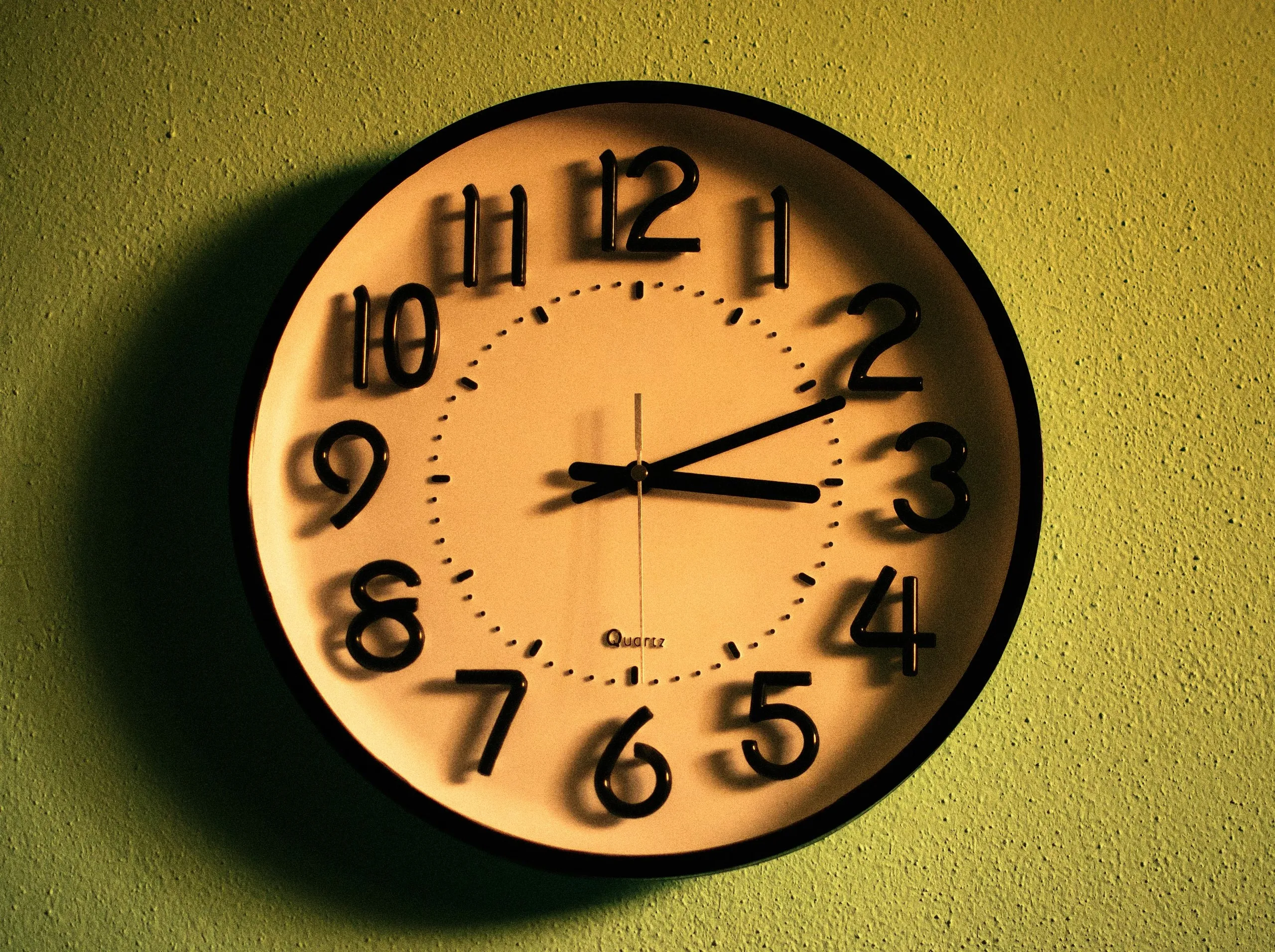
The process is straightforward: as the clock reaches 4:00 AM, it is immediately reset to 3:00 AM. While this provides the immediate benefit of sixty additional minutes of rest for most people, it also signals the onset of shorter days and reduced natural light in the late afternoon.
What are the legal regulations governing the time change?
The seasonal adjustment of clocks is governed by established European Union directives. According to the Greek Ministry of Transport and Infrastructure, the 2026 transition follows Directive 2000/84/EC of the European Parliament and of the Council, dated January 19, 2001, which contains the provisions regarding summer time.
This directive ensures a synchronized approach across all EU member states, preventing the chaos that would arise from uncoordinated regional time shifts. By maintaining a unified schedule, the European Union facilitates smoother cross-border transport, communication, and economic activities. The Ministry's announcement serves as a formal reminder to citizens and organizations to prepare for the upcoming regulatory requirement on October 25.
Why is there a debate about abolishing seasonal time changes?
Despite the long-standing practice, there is significant political and social pressure to end the seasonal switching of clocks. The European Commission presented an official proposal to terminate seasonal time changes in 2018, a move that received strong support from the European Parliament. This debate resurfaced in the European Parliament plenary session in October 2025, highlighting that no definitive decision has yet been reached to permanently stop the practice.
The arguments against the current system are twofold, focusing on both human health and the practical efficacy of the policy. While the original intent of the measure was rooted in energy conservation, modern critics question whether the actual energy savings achieved today are still significant enough to justify the systemic disruption.
The biological impact on human health
Opponents of the time change focus heavily on the negative consequences for the human biological rhythm. The sudden shift in time can lead to a mismatch between the external clock and the body's internal circadian rhythm. This disruption is often linked to decreased sleep quality and various physiological stressors. As the body struggles to adjust to the new schedule, individuals may experience fatigue, reduced concentration, and other health-related issues associated with irregular sleep patterns.
How does the time change affect energy and daylight?
The primary historical justification for daylight saving time was the optimization of energy use by aligning daylight hours with peak human activity. However, as technology and lifestyle patterns have evolved, the relevance of this energy-saving mechanism has come under scrutiny. Critics argue that the benefits are marginal compared to the social and biological costs of the transition.
Alongside the energy debate, the physical reality of the change is the noticeable reduction in daylight duration. As the clocks move back, the sun sets earlier in the evening, which can impact mood, outdoor activities, and the overall perception of the day's length. This seasonal shift marks a psychological transition into the winter months, characterized by longer periods of darkness.
Frequently asked questions
When do I need to change my clock in 2026?
You should change your clocks on the morning of Sunday, October 25, 2026. The adjustment should happen when the time reaches 04:00, at which point you must set the clock back to 03:00 to align with winter time.
Does the whole European Union change time at once?
Yes, the time change is applied across all EU member states. This synchronization is mandated by EU Directive 2000/84/EC to ensure that the entire region moves between summer and winter time simultaneously, maintaining consistency for travel and commerce.
Why is the change scheduled for Sunday morning?
The change is scheduled for Sunday morning because human activity is at its lowest during this time. This minimizes the risk of people being late for work or missing important appointments, which was a frequent problem when the measure was first introduced.
Will the EU stop changing the clocks permanently?
While the European Commission proposed ending seasonal time changes in 2018 and the European Parliament has discussed the matter as recently as October 2025, no final decision has been implemented to abolish the practice permanently.
What is the main benefit of moving the clocks back?
The most immediate benefit of the winter time change is that it provides an extra hour of sleep. By moving the clock back from 04:00 to 03:00, individuals gain sixty minutes of rest during the transition night.
Key takeaways
- The 2026 winter time change occurs on Sunday, October 25.
- Clocks must be set back one hour, from 04:00 to 03:00.
- The change is regulated by EU Directive 2000/84/EC.
- Critics highlight negative impacts on biological rhythms and sleep quality.
- The EU has been debating the permanent abolition of seasonal time changes.
Conclusion
The transition to winter time on October 25, 2026, remains a standardized procedure across the European Union, dictated by long-standing regulatory frameworks. While the immediate effect is an extra hour of sleep, the change continues to spark debate regarding its necessity. The tension between traditional energy-saving goals and the modern understanding of circadian health suggests that the practice may face further scrutiny. As the European Parliament continues to discuss potential reforms, the seasonal adjustment remains a significant annual event that impacts both individual biological rhythms and the broader societal schedule.