What is the current weather situation in Greece?
Greece is currently grappling with a major weather event characterized by intense thunderstorms, hail, snow, and gale-force winds. These storms have brought heavy rainfall and wind gusts exceeding 100 km/h, particularly impacting the eastern regions and the Aegean Sea. According to reports, the combination of high-intensity precipitation and a lack of adequate infrastructure has led to severe flooding, traffic disruptions, and property damage. Significant rainfall is being recorded in the Sporades, Evia, and potentially northern Attica, creating a high-risk environment for residents and travelers alike.
How has the weather impacted Skiathos?
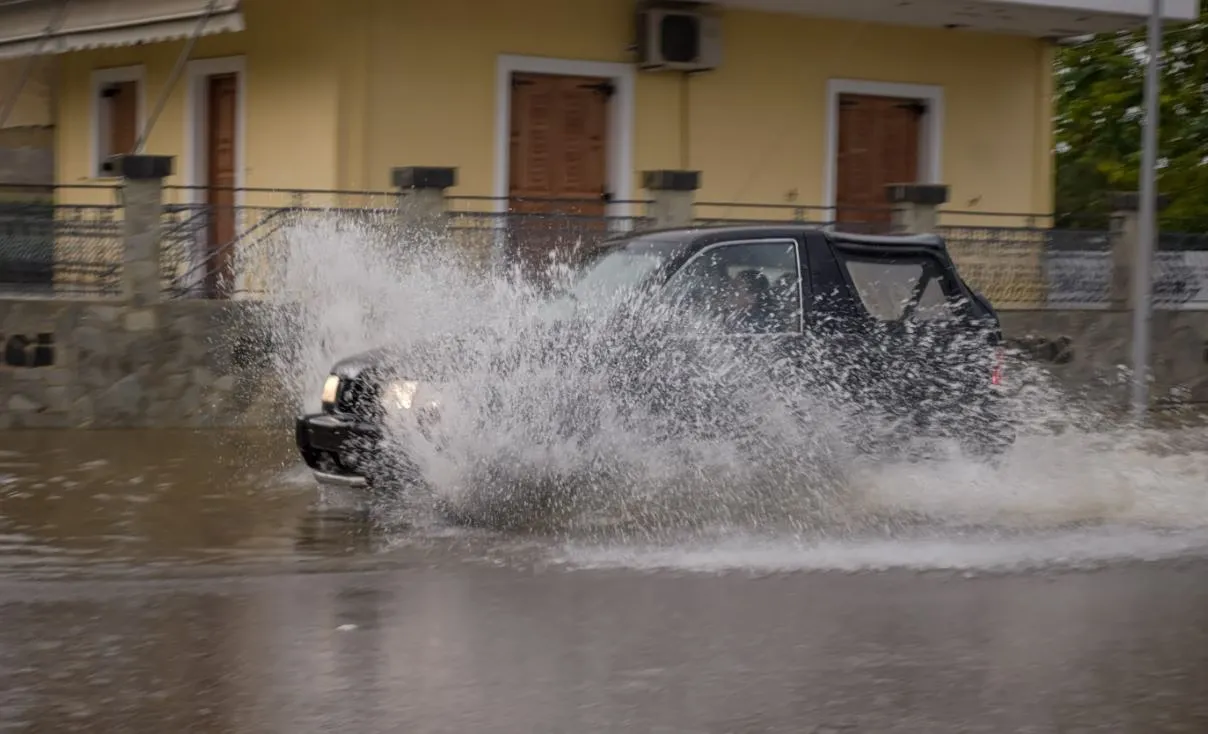
The island of Skiathos has been one of the hardest-hit areas. The storm has caused widespread flooding, affecting both residential and commercial sectors. Theodoros Tzoumas, the Mayor of Skiathos, reported that torrential waters have swept away at least two parked vehicles and caused substantial damage to various homes and businesses. The scale of the flooding in local shops and streets has been significant enough that the local government is preparing to request that the island be declared in a state of emergency to facilitate necessary recovery and assistance.
Emergency measures in Skiathos
In response to the escalating situation, the emergency service 112 issued urgent warnings to the residents of Skiathos. The alerts, sent during the early morning hours, specifically instructed citizens to limit their movements to absolutely essential travel only. Local authorities have reinforced these warnings, urging the public to follow all official guidance and, most importantly, to avoid attempting to cross flooded roads, streams, or torrents, which can be extremely dangerous due to the speed and force of the water.
What is the situation in Evia?
Evia is facing critical challenges as the Kireas River has overflowed its banks, leading to major disruptions in the northern part of the province. The flooding has forced the closure of several key transport links. Specifically, traffic has been cut off on the road connecting Mantoudi to Prokopi at the 'Kanta' location. Additionally, the 'Portara' area has seen road closures due to the river's overflow. The 112 service issued a specific alert for the Politika area in Evia shortly after 7:00 AM, advising residents to exercise extreme caution during their movements.
Infrastructure challenges in Evia
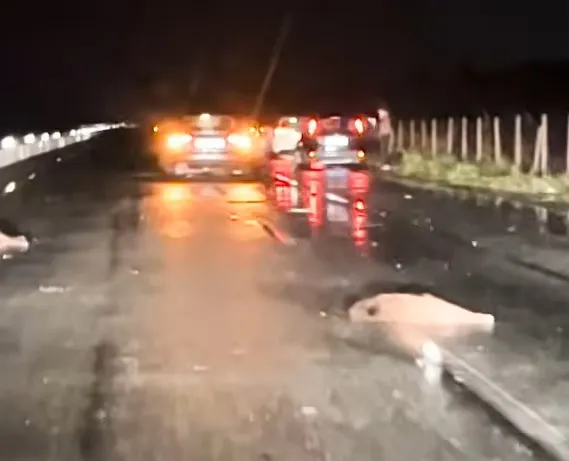
The storm has exposed significant vulnerabilities in the local infrastructure, particularly regarding road stability and soil integrity. In Psachna, the ground reportedly gave way at the Kalyviti Bridge yesterday afternoon, resulting in an immediate closure of the road. These types of incidents, combined with the flooding caused by the Kireas River, have created a complex situation for local authorities attempting to maintain connectivity. While technical teams are deployed to address various issues, the ongoing weather conditions continue to pose a threat to the stability of the region's transport network.
What are the effects on transportation and daily life?
Daily life across much of the country has been significantly disrupted. In Attica, intense rainfall has caused heavy water accumulation on roads, forcing the Traffic Police to implement various diversions. For instance, the Perama area recorded a substantial 85 mm of rain by Tuesday evening, leading to significant flooding on the road network. Beyond the mainland, the storm has also impacted the islands of the Dodecanese and the Cyclades. In Rhodes, heavy storms have turned city streets and peripheral roads into temporary rivers, causing massive water accumulation and hindering movement.
Impact on public services
The severity of the weather has necessitated the closure of numerous public institutions. Schools have been ordered to remain closed in Skiathos, Skopelos, Rhodes, Symi, and throughout the Cyclades. In Evia, multiple municipalities are affected, including Mantoudi–Agia Anna and Limni Evia, Dirfyos Messapion, Chalkida, Karysty, and Kymi-Aliveri, as well as on the island of Skyros. Furthermore, the storm has caused electrical outages in certain areas, such as Sgouros and Koskinou in Rhodes, where technical crews are currently working on-site to restore power to affected residents.
What are the forecasts and warnings for the coming days?
The weather remains in a high-alert state. Authorities have placed Attica and seven other regions under a 'Red Code' (Red Alert) status. Regions currently under high alert or increased vigilance include the Regional Unit of Evia, the Sporades, Attica, the South Aegean, Crete, Samos, Ikaria, and the Peloponnese. Forecasters warn of continued intense and prolonged weather phenomena, with the potential for high winds and heavy precipitation to persist, maintaining the risk of further flooding and infrastructure damage.
Preparedness and response
Emergency services and local authorities are operating under heightened readiness. The response strategy involves continuous monitoring of river levels, road conditions, and power grids. Residents are strongly encouraged to stay informed through official channels, such as the 112 emergency alerts, and to strictly adhere to the safety guidelines provided by the Civil Protection and local municipalities to minimize the risk of accidents or injury during this period of extreme weather.
Frequently asked questions
What areas are most affected by the severe weather?
The most heavily impacted areas include the islands of Skiathos and Skopelos, the province of Evia (particularly northern Evia and Psachna), Attica (notably Perama), and several islands in the Dodecanese (such as Rhodes and Symi) and the Cyclades.
What emergency measures have been implemented?
The 112 emergency service has issued multiple alerts advising citizens to limit travel. Local authorities have closed schools in several regions, implemented traffic diversions via the Traffic Police, and the Mayor of Skiathos is seeking a state of emergency declaration.
Are there any travel restrictions in place?
Yes, several roads are closed due to flooding or ground collapse, such as the Mantoudi-Prokopi road and the Kalyviti Bridge. Authorities advise against crossing any flooded roads, streams, or torrents.
How long is the severe weather expected to last?
With several regions under Red Code alerts and warnings for prolonged intense phenomena, the severe weather is expected to continue affecting the country for the immediate period.
What should residents do to stay safe?
Residents should limit travel to essential trips only, follow all instructions from the 112 service and local authorities, and avoid all flooded areas and unstable terrain.
Key takeaways
- Severe weather including thunderstorms, hail, and snow is causing widespread flooding and damage across Greece.
- Significant impact reported in Skiathos (flooded businesses and vehicles), Evia (river overflows and road collapses), and Attica.
- Emergency 112 alerts have been issued, advising residents to limit travel and avoid flooded areas.
- Schools are closed in multiple affected regions, including the Sporades, Rhodes, and parts of Evia.
- Several regions remain under Red Code or high-alert status due to the ongoing risk.