When does the production return to the stage?
The theatrical production "A Life: The Monologue of a Dressmaker" is set to return to the historic Petit Palais Theatre beginning November 11, 2026. Following a period of significant success, the play will be available to audiences every Wednesday and Sunday. This return marks the third year the production has been staged at this venue, a testament to its enduring popularity and the strong connection it has established with the Athenian public.
The scheduling allows for a consistent engagement with theatregoers, providing a regular opportunity to witness what has been described as a landmark performance in modern Greek drama. The production's ability to maintain momentum over three years suggests a robust demand for character-driven, emotionally resonant storytelling that transcends typical seasonal theatre cycles.
What is the narrative core of the play?
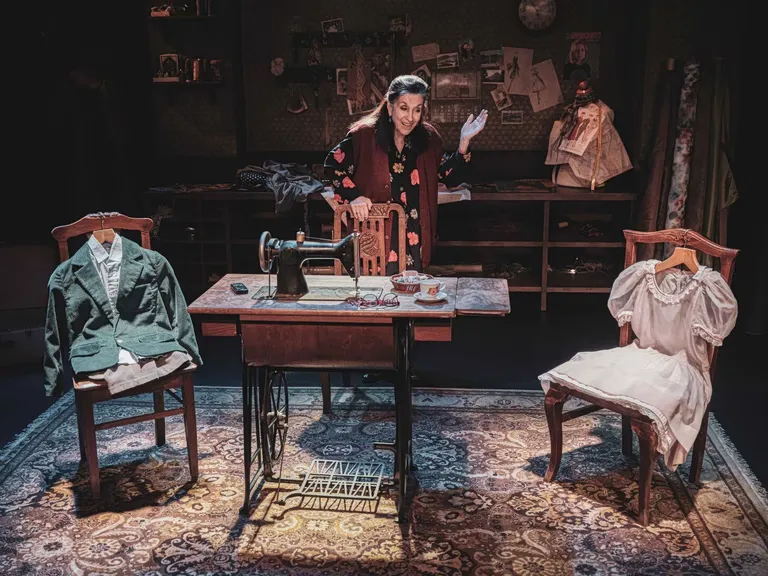
The play follows an elderly dressmaker who finds herself confronting the fragments of her past while packing up her atelier in preparation for a move. As she sorts through her belongings, her personal recollections become intertwined with the broader historical shifts of modern Greece. This dual narrative structure allows the play to function both as an intimate character study and a historical reflection.
A central element of the storytelling is the use of music. Songs that have defined specific eras and historical moments serve as constant companions to the protagonist, acting as auditory anchors for her memories. This integration of music helps to bridge the gap between the character's private experiences and the collective memory of the nation, turning a personal story into a universal exploration of time and change.
The intersection of the personal and the political
By placing the protagonist's life within the context of Greece's evolution, the playwright Petros Zoulis creates a dialogue between the individual and the state. The act of moving—a transition from an old space to a new one—serves as a metaphor for the shifting social landscapes of the country. The dressmaker's struggle to find her place in a rapidly changing world reflects a wider societal tension between tradition and modernity.
How does Nena Menti interpret the role?
Nena Menti delivers what is regarded as one of the most profound and mature performances of her distinguished career. The role requires a delicate balance of expressive power and disarming simplicity, as she must embody the joys, losses, and struggles of a woman who has lived through significant historical transitions. Her performance is noted for its ability to command the stage through subtle movements, silences, and gaze.
Critics have highlighted Menti's capacity to transform the specific experiences of a common woman into a "universal hymn" to human existence. Her portrayal is not merely an act of acting but an embodiment of the character's soul, making the audience feel the weight of every memory shared. This level of emotional depth is what has contributed to the production's reputation for causing deep movedness and even physical chills in spectators.
What makes the collaboration between Zoulis and Menti significant?
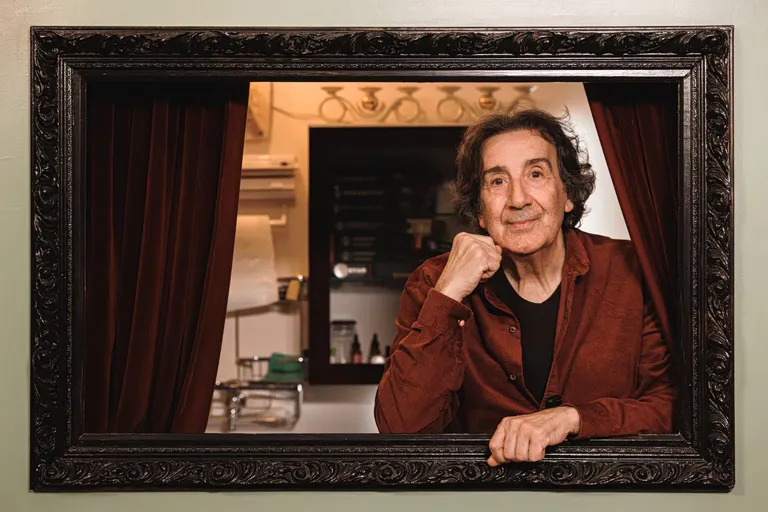
The artistic partnership between writer/director Petros Zoulis and actress Nena Menti is the driving force behind the production's success. Zoulis provides the structural and thematic framework, crafting a script that is both a tribute to the "everyday person" and a deep philosophical inquiry into existence. His directorial vision ensures that the monologue remains focused and impactful, avoiding unnecessary complexity in favor of raw emotional truth.
Menti, in turn, brings the text to life with a level of expertise that only a veteran of the Greek stage can provide. The synergy between the written word and the physical performance creates a cohesive theatrical experience where the setting, the music, and the acting work in unison to support the central theme of life's fleeting nature. This collaboration has resulted in a production that is frequently cited as a benchmark for contemporary monologue theatre.
What is the cultural impact of this production?
"A Life: The Monologue of a Dressmaker" has become more than just a play; it is a cultural phenomenon within the Athenian theatre community. The fact that it has achieved multiple sold-out runs and is returning for a third year indicates its status as a modern classic. It serves as a reminder of the power of theatre to touch the human soul through stories that are deeply rooted in reality.
The play's resonance stems from its ability to speak to the "common person"—those who observe the world changing around them and wonder how to navigate that change. In an era of rapid technological and social shifts, the story of a woman looking back at her life offers a sense of continuity and shared human experience. It validates the small, personal histories that often go unrecorded in the grand narratives of history.
The enduring power of the monologue format
The choice of a monologue format is crucial to the play's impact. By focusing entirely on one character, the production forces the audience into an intimate proximity with the protagonist. There are no distractions, only the direct connection between the performer and the viewer. This format amplifies the emotional stakes, making the character's triumphs and tragedies feel immediate and personal to every member of the audience.
Key takeaways
- The production returns to the Petit Palais Theatre on November 11, 2026, for its third year.
- Nena Menti performs a central monologue written and directed by Petros Zoulis.
- The play explores the connection between a seamstress's memories and Greek history.
- Performances are scheduled for Wednesdays and Sundays at the historic venue.
- The production has achieved significant success with multiple sold-out performances.
FAQ: A Life: The Monologue of a Dressmaker
When can I see this play in Athens?
The production is scheduled to run on Wednesdays and Sundays at the Petit Palais Theatre, starting from November 11, 2026. It is recommended to check local listings for specific performance times and availability, especially given the play's history of sold-out shows.
Who is the lead actress in the production?
The lead role is performed by Nena Menti, a prominent figure in Greek theatre. Her performance in this monologue has been widely praised by critics and audiences for its emotional depth, maturity, and expressive power, marking a significant moment in her long career.
What is the story about?
The play tells the story of an elderly dressmaker who, while packing her atelier to move, reflects on her life. Her personal memories are interwoven with the historical developments of modern Greece, accompanied by songs that mark different stages of her life.
Who wrote and directed the play?
The play was written and directed by Petros Zoulis. His creative vision provides the narrative structure that links the protagonist's personal journey with the broader social and historical context of the country, creating a deeply human and universal story.
Why is this play considered significant?
It is considered significant due to its critical acclaim, its three-year run at the Petit Palais, and its ability to connect personal human experiences with national history. It is viewed as a powerful tribute to the lives of ordinary people.
Conclusion
"A Life: The Monologue of a Dressmaker" stands as a profound exploration of memory, history, and the human condition. Through the masterful collaboration of Petros Zoulis and Nena Menti, the production transcends the boundaries of a simple monologue to become a moving reflection on the passage of time. By intertwining the intimate details of a seamstress's life with the sweeping changes of Greek society, the play offers a unique perspective on how individual lives are shaped by the world around them. Its continued success at the Petit Palais Theatre confirms its place as a vital and deeply resonant work in contemporary theatre.