Where are the best places for skiing and Alpine views?
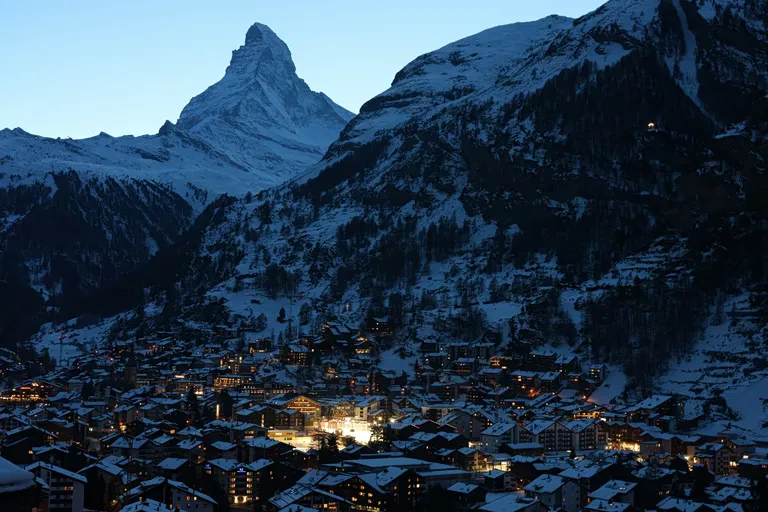
Zermatt, Switzerland, stands out as a premier location for winter sports enthusiasts, recently ranking as a top European ski resort according to Trip.com and Euronews. Located in the German-speaking part of the Valais canton, this destination is renowned for its exceptional terrain and breathtaking scenery.
The region offers an expansive network of up to 360 kilometers of slopes, which are interconnected with skiing areas in both Switzerland and Italy. For those seeking high-altitude thrills, cable cars transport visitors to the summit of Klein Matterhorn at 3,883 meters, providing conditions suitable for skiing throughout much of the year.
Iconic Alpine Rail Journeys
Beyond the slopes, travelers can experience the Swiss Alps through legendary railway routes. A popular way to reach Zermatt is by combining the trip with an iconic journey from St. Moritz. The Glacier Express, famously recognized as "the slowest express train in the world," provides an eight-hour scenic experience. This route covers approximately 291 kilometers, offering passengers panoramic views of deep valleys, rugged mountains, and picturesque alpine villages.
Which destinations are ideal for winter hiking?
Seefeld, Austria, serves as an excellent hub for outdoor enthusiasts looking to explore snow-covered landscapes. Situated approximately 25 kilometers northwest of Innsbruck in the Tyrol region, Seefeld boasts an extensive network of 142 kilometers of organized winter hiking trails.
These paths traverse diverse environments, including dense forests, tranquil valleys, and high mountain passes. To support long excursions, mountain refuges are positioned along the routes, allowing hikers to enjoy warm refreshments during their trek. For a unique evening experience, the "100,000 Lights" path offers a 1.8-kilometer illuminated walk featuring light installations and the beautifully lit Seekirchl chapel.
For those desiring more significant physical challenges, the Seefeld plateau offers a five-day winter hiking route spanning roughly 65 kilometers. This circuit connects five different villages, winding past lakes and through dramatic mountain scenery. A practical advantage for hikers is the ability to use local public transport to return to their starting accommodation each evening, making multi-day treks more accessible.
Where can travelers find the best Christmas magic?
Strasbourg, France, is widely regarded as the "Capital of Christmas," offering a festive atmosphere centered around its UNESCO World Heritage historic district. The city's Christmas markets have a long-standing tradition, with some elements dating back to 1570, drawing visitors to the historic Grande Île.
During the festive season, hundreds of decorated stalls occupy the streets and squares of the island. The holiday lights create a striking reflection on the waters of the Ill River and the narrow canals that weave through neighborhoods characterized by traditional wooden houses, some of which are up to 400 years old. A central landmark of the celebrations is the impressive Christmas tree located in Place Kléber.
Visitors to Strasbourg can immerse themselves in local culinary traditions. Recommended seasonal treats include *bredeles*, which are traditional Alsatian Christmas cookies, and *vin chaud*, a warm, spiced mulled wine infused with fruit. This combination of historical architecture and seasonal charm makes the city a primary destination for winter cultural tourism.
Is it possible to find sun during a European winter?
Andalusia, Spain, provides a reliable option for travelers seeking sunshine and milder temperatures during the winter months. With approximately 300 days of sunshine per year along the Mediterranean coast, the region remains a popular choice for those avoiding the harsh northern cold.
Winter offers a strategic advantage for sightseeing in major landmarks. For instance, the Alhambra in Granada—a magnificent 13th-century Moorish palace complex—is significantly less crowded during the cooler months. Similarly, cities like Seville become much more comfortable to explore; while summer temperatures can soar to 40 degrees Celsius, the winter climate allows for pleasant walks through historic sites like the Palacio de las Dueñas, known for its striking arcades and courtyards.
The region offers a unique duality of climates. While the Costa del Sol remains mild and sunny, the Sierra Nevada National Park, located roughly 30 kilometers east of Granada, provides snow-capped peaks and opportunities for winter sports. This allows travelers to enjoy a sunny morning in a Mediterranean city and an afternoon of skiing in the mountains.
How can one witness the Northern Lights in Europe?
Abisko, Sweden, is globally recognized as one of the most effective locations for observing the Aurora Borealis. Situated in the heart of Swedish Lapland and positioned north of the Arctic Circle, Abisko lies within the "aurora zone," which significantly increases the statistical probability of seeing the phenomenon.
To witness the sky transform into shades of green, blue, pink, and purple, visitors can participate in organized excursions to Abisko National Park, which offers darkness away from light pollution. Alternatively, the Aurora Sky Station provides an elevated vantage point via a chairlift for optimal viewing. The experience is not limited to celestial observation; the region offers various Arctic adventures, including:
- Husky sledding through snow-covered forests.
- Snowmobile expeditions across frozen lakes.
- Cultural encounters with the indigenous Sámi people and reindeer herding traditions.
What are the best options for lush landscapes and waterfalls?
Madeira, Portugal, offers a distinct winter experience characterized by a mild climate and remarkably green landscapes. As an Atlantic island, it is home to the Laurissilva forest, a UNESCO World Heritage site featuring ancient trees that cover steep slopes and deep valleys.
The island's unique topography is best explored via the *levadas*—traditional irrigation channels that double as hiking paths. These trails lead travelers to hidden waterfalls and secluded natural areas. Notable routes include the Levada das 25 Fontes, which leads to a pool fed by multiple springs, and the Levada do Rei, which winds through dense vegetation toward the tranquil Ribeiro Bonito sanctuary.
Due to the nature of the terrain, specific preparations are required for Madeira's hiking enthusiasts. It is essential to carry waterproof clothing and appropriate footwear. Furthermore, visitors should note that many officially designated hiking routes require advanced booking and an entrance fee, so planning ahead is necessary for a seamless experience.
Where can travelers find romantic canals and chocolate?
Bruges, Belgium, provides a highly atmospheric setting for winter travelers, characterized by its medieval charm and intricate canal system. The city is defined by narrow canals spanned by arched bridges and lined with tall, slender historical buildings that create a picturesque urban landscape.
While Bruges is beautiful year-round, the winter season enhances its romantic ambiance. The combination of historic architecture, festive decorations, and the city's famous culinary heritage—particularly its world-class chocolate—makes it a premier destination for those seeking a cozy and culturally rich winter getaway.
Key takeaways
- Zermatt, Switzerland, offers up to 360km of interconnected ski slopes and year-round skiing possibilities.
- Seefeld, Austria, features over 140km of organized winter hiking trails through the Tyrol region.
- Strasbourg, France, hosts historic Christmas markets with traditions dating back to 1570.
- Abisko, Sweden, is a top global destination for observing the Northern Lights in the Arctic Circle.
- Madeira, Portugal, provides mild winter weather and UNESCO-protected Laurissilva forest hiking.
Frequently asked questions
What is the best European destination for skiing?
Zermatt in Switzerland is widely considered one of the best due to its massive 360km ski network and high-altitude terrain. It offers connections to Italian ski areas and the ability to ski almost year-round thanks to the Klein Matterhorn summit.
Can I find warm weather in Europe during winter?
Yes, Andalusia in Spain is an excellent choice for winter sun. The region benefits from nearly 300 days of sunshine annually, making cities like Seville and Granada much more comfortable for sightseeing than during the intense summer heat.
Where is the best place to see the Northern Lights?
Abisko, Sweden, is one of the world's premier locations for viewing the Aurora Borealis. Its location within the Arctic Circle and its specific geographic position in the "aurora zone" provide high visibility and minimal light pollution.
Are there good hiking options in the winter?
Austria and Portugal offer excellent winter hiking. Seefeld, Austria, provides over 140km of managed snowy trails, while Madeira, Portugal, offers unique levada walks through lush, temperate forests and near waterfalls despite the winter season.
Which city is best for Christmas markets?
Strasbourg, France, is often called the "Capital of Christmas." It features historic markets on the Grande Île that have been part of the city's tradition since 1570, offering a deeply authentic festive experience.
Conclusion
Europe offers a diverse spectrum of winter experiences tailored to every type of traveler. From the high-octane adrenaline of the Swiss Alps and the celestial wonders of Swedish Lapland to the cultural warmth of Alsatian Christmas markets and the sun-drenched streets of Andalusia, the continent ensures that the colder months are far from dull. Whether your preference lies in active mountain sports, serene nature walks, or romantic city explorations, these destinations provide the perfect backdrop for a memorable winter escape. Planning your trip around these unique seasonal characteristics will allow you to fully embrace the distinct magic that Europe holds during the winter season.