How can you master the perfect Giant Bean (Gigantes) recipe?
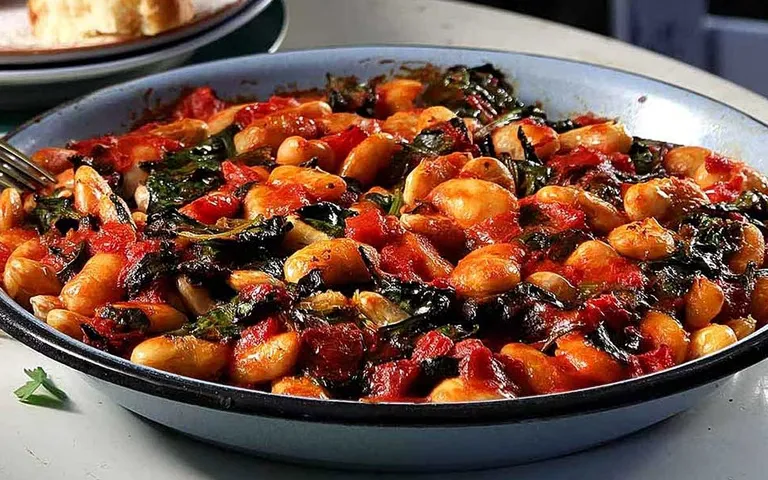
The key to successful Gigantes lies in the meticulous preparation of the beans and the slow roasting process in a rich, tomato-based sauce. Giant beans, often referred to as Gigantes, require a specific soaking and boiling sequence to ensure they become tender without losing their structural integrity.
Preparation and Soaking Essentials
To achieve the ideal texture, you must begin the process the night before. Soak the beans in a large bowl of water enriched with dissolved baking soda. However, if you are using pre-boiled beans, you can skip the soda and simply soak them in plain water overnight. The following day, rinse the beans thoroughly and place them in a pot with fresh cold water. Boil them for approximately 40 minutes, making sure to skim off any foam that rises to the surface. This step is vital for a clean, smooth final dish.
Creating the Flavorful Base
Once the beans are drained, they should be transferred to a baking dish measuring roughly 37x25 cm or a 35 cm round dish. The sauce is built by sautéing aromatics in olive oil. Start by heating half of the required oil and sautéing sliced onions for about 10 minutes until translucent. Next, add sliced garlic, finely chopped celery, and a chopped carrot. Sauté these for an additional 2 to 3 minutes; the goal is to wilt the vegetables rather than browning them.
To complete the sauce, incorporate the following ingredients:
- 500g of fresh tomatoes
- 2 tablespoons of tomato paste
- 1 chopped Florina pepper
- 1 tablespoon of sweet paprika
- Fresh parsley and a hint of dill
- Salt and freshly ground pepper
Simmer this mixture for 10 minutes before pouring it over the beans in the baking dish. Drizzle the remaining olive oil over the top. Bake in a preheated oven at 200°C for approximately 45 minutes. The beans are ready when they are well-coated in their flavorful oil. If using a convection oven, place the dish on the middle rack and lower the temperature slightly. It is highly recommended to cover the dish with aluminum foil during baking to prevent the exterior of the beans from drying out before the centers become creamy.
What is the secret to creamy Lemon Chickpeas (Revithia Lemonata)?
Lemon Chickpeas, or Revithia Lemonata, rely on a delicate balance of acidity and creaminess, achieved through a traditional emulsion technique similar to egg-lemon sauce. This dish transforms simple chickpeas into a sophisticated, velvety meal through a multi-stage cooking process.
The Importance of the 24-Hour Soak
Proper hydration is non-negotiable for legumes, especially when the quality of the dried product is unknown. You should soak the 500g of chickpeas in plenty of water for a full 24 hours. After soaking, rinse them well and bring them to a boil in a pot of fresh water for about 10 minutes. During this initial boil, it is essential to remove any foam that forms on the surface. Once boiled, strain the chickpeas and rinse the pot to ensure you are continuing the cooking process in a clean vessel.
The Slow-Simmering Method
Begin the cooking phase by adding three tablespoons of olive oil to the clean pot. Sauté a crushed garlic clove for one minute, then remove it. Add two finely chopped onions and sauté until they become translucent and glossy. Incorporate the chickpeas and sauté them for 2 to 3 minutes so they are thoroughly coated in the oil. Add one large grated carrot and approximately 1.5 liters of hot water to cover the chickpeas completely.
Cover the pot and simmer over medium heat for about one hour. The objective is to reach a point where the chickpeas are soft but still hold their shape, avoiding a mushy or disintegrated texture. If you need to add more liquid during this hour, always use hot water to prevent the cooking temperature from dropping abruptly.
Achieving the Tahini-Lemon Emulsion
The final stage defines the character of the dish. Once the chickpeas are tender, increase the heat and add the remaining olive oil along with fresh lemon juice. Stir the mixture vigorously with a wooden spoon. To create the signature creamy texture, take a ladle of the hot chickpea broth and gradually whisk it into two tablespoons of tahini. Once the tahini is thinned out, pour the mixture back into the pot and stir, mirroring the technique used for traditional Greek avgolemono sauces.
How do these legume recipes compare in preparation style?
While both recipes focus on high-quality legumes, they utilize different culinary mechanics to achieve their final textures. One relies on oven-roasting to concentrate flavors, while the other uses stovetop emulsification to create a creamy consistency.
| Feature | Giant Beans (Gigantes) | Lemon Chickpeas (Revithia) |
|---|---|---|
| Primary Cooking Method | Oven Roasting (200°C) | Stovetop Simmering |
| Key Texture Element | Creamy interior via foil-covered roasting | Velvety via tahini-lemon emulsion |
| Soaking Requirement | Overnight (with optional baking soda) | 24 Hours (mandatory) |
| Flavor Profile | Savory, tomato, and pepper-rich | Bright, acidic, and nutty |
What are the nutritional benefits of these traditional dishes?
Traditional legume-based diets provide a robust foundation of plant-based protein and complex carbohydrates. These recipes specifically highlight the importance of healthy fats, such as olive oil, and the use of fresh aromatics like garlic, onions, and carrots to enhance nutrient absorption and flavor without excessive sodium.
Fiber and Protein Density
Legumes like chickpeas and giant beans are exceptional sources of dietary fiber, which aids in digestion and promotes satiety. By incorporating these into a regular diet, individuals can maintain steady energy levels due to the slow release of glucose from complex carbohydrates. Furthermore, the protein content in these dishes makes them an excellent meat alternative for vegetarians and those looking to reduce animal protein consumption.
Micronutrients and Antioxidants
The inclusion of vegetables such as peppers, tomatoes, and carrots introduces a wide array of antioxidants, including lycopene and beta-carotene. The use of garlic and onions provides sulfur compounds that support immune health, while the addition of lemon juice provides Vitamin C, which significantly aids in the absorption of non-heme iron found in the legumes themselves.
Frequently asked questions
How can I prevent my giant beans from becoming too dry in the oven?
To prevent the beans from drying out, you should cover the baking dish with aluminum foil during the roasting process. This traps the steam inside the dish, ensuring the beans become creamy and soft on the inside before the exterior skins become tough or leathery.
Why must I use hot water when topping up the chickpeas during simmering?
Using hot water is crucial to maintain a consistent cooking temperature. If you add cold water to a simmering pot, the temperature drops sharply, which can shock the legumes and potentially cause them to become tough or disrupt the cooking process entirely.
Can I substitute the tahini in the lemon chickpea recipe?
While tahini is essential for the specific creamy, nutty emulsion of this recipe, you can achieve a similar effect by using a well-thickened egg-lemon (avgolemono) sauce. However, the tahini provides a unique depth of flavor that is characteristic of this particular version of the dish.
Is it necessary to soak the beans for 24 hours?
Yes, a 24-hour soak is highly recommended for chickpeas to ensure they hydrate fully and to reduce the presence of complex sugars that can cause digestive discomfort. This long soak also helps in achieving a much more consistent and tender texture after cooking.
What is the purpose of skimming the foam off the beans while boiling?
Skimming the foam, which is composed of proteins and starches released during the initial boil, results in a much cleaner and more refined final sauce. It prevents the dish from having a cloudy or overly thick, starchy consistency that can detract from the flavors.
Key takeaways
- Always soak legumes for at least 24 hours to ensure optimal texture and digestibility.
- Use aluminum foil when roasting giant beans to maintain internal creaminess.
- Add hot water, never cold, when replenishing liquids during the simmering process.
- Create a creamy chickpea texture by emulsifying tahini with hot legume broth.
Conclusion
Mastering these traditional legume recipes requires patience and attention to detail, particularly during the soaking and emulsification stages. Whether you prefer the rich, oven-roasted depth of Giant Beans or the bright, velvety acidity of Lemon Chickpeas, both dishes offer a nutritious and deeply satisfying culinary experience. By following these time-honored methods—such as using hot water for simmering and carefully building sauces with aromatics—you can transform simple pantry staples into extraordinary meals that honor Mediterranean culinary heritage.