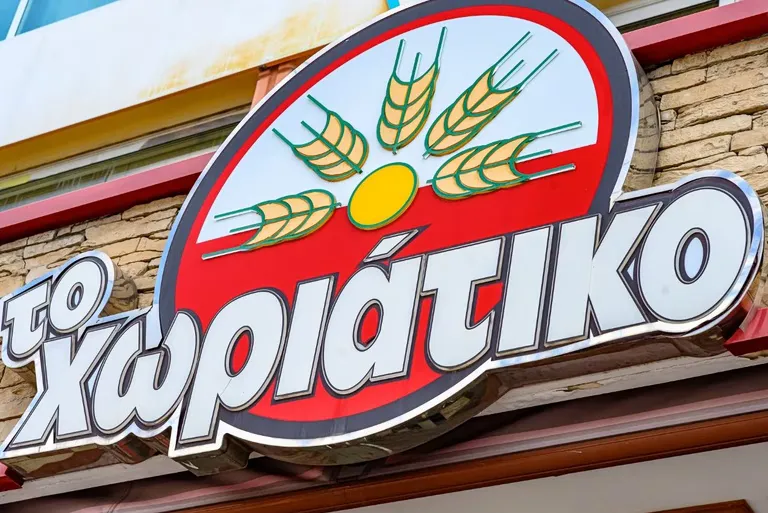
How did the Choriatiko bakery tax evasion scheme operate?
The alleged criminal network utilized a complex structure of at least 500 shell companies to facilitate widespread tax fraud and social security evasion. According to police investigations, this mechanism had been in place since 2016, allowing the organization to bypass significant legal financial obligations. The scheme functioned by creating entities that existed only briefly, collecting revenue from approximately 200 catering and hospitality establishments before being abandoned with substantial outstanding debts.
By rotating these short-lived companies, the network could obscure the trail of incoming funds and evade the oversight of tax authorities. This method allowed the group to maintain a facade of legitimate business activity while systematically stripping assets and avoiding statutory payments. The complexity of these transactions required a sophisticated administrative structure to manage the constant turnover of legal entities and the movement of capital across various accounts.
The role of straw men in the fraud
A central component of the operation was the widespread use of "straw men"—individuals appointed as official managers or owners of the shell companies who held no actual decision-making power or significant assets. By using these proxies, the true architects of the scheme remained insulated from direct legal responsibility. This layer of separation made it difficult for investigators to link the financial benefits of the fraud back to the actual beneficiaries, a process that required months of intensive police work to unravel.
What is the scale of the financial damage to the Greek State?
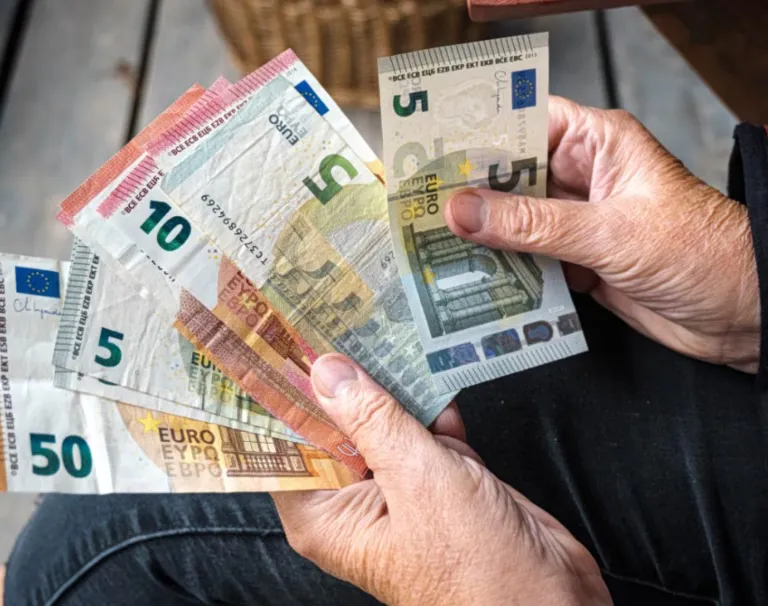
The financial impact of the Choriatiko bakery tax evasion scheme is estimated to exceed €100 million in total losses to the Greek public treasury. This figure is comprised of two primary categories of unpaid obligations: value-added tax (VAT) and social security contributions. Detailed findings from the investigation suggest that the network successfully evaded more than €55 million in VAT payments through its web of fictitious transactions.
In addition to tax evasion, the organization is accused of failing to remit approximately €45 million in social security contributions to the EFKA (the Greek Social Insurance Institute). This massive shortfall represents a significant blow to the national welfare system. The investigation highlights how the exploitation of corporate structures can be used to systematically undermine the fiscal stability of a nation by draining resources intended for public services and social protections.
Who are the key figures involved in the investigation?
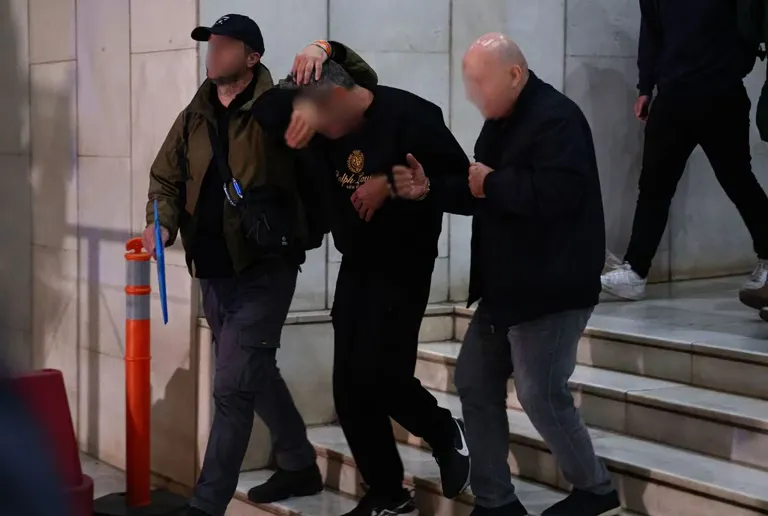
The investigation has centered on Angel Giannakopoulos, the owner of the Choriatiko bakery chain, who was recently arrested following a period of legal scrutiny. Alongside him, a prominent accountant has been detained, identified by authorities as a pivotal figure within the organizational hierarchy. The police emphasize that while many individuals appear on paper as owners, the investigation aims to prove that a specific criminal group was directing the entire operation from behind the scenes.
Konstantia Demoglidou, the spokesperson for the Hellenic Police (EL.AS), stated that the difficulty in such cases lies in proving the connection between the straw men and the actual leader of the criminal organization. She noted that the investigation lasted several months because the suspects often utilized individuals who had previously been involved in legal proceedings, complicating the task of building a solid case for the judiciary. The authorities have now claimed to have successfully linked the various shell companies to a single, coordinated group.
The criminal history of Angel Giannakopoulos
The legal history of Angel Giannakopoulos is extensive and includes allegations of high-level organized crime. In 2008, he was arrested as a suspected leader of an international human trafficking ring. Furthermore, in 2015, he received a first-instance prison sentence of ten years and six months. While a 2018 acquittal in a separate case involving trafficking and money laundering provided him with legal relief on those specific charges, the current investigation marks a significant new chapter in his legal challenges.
How did the suspect attempt to evade authorities?
Following the imposition of travel restrictions related to a separate legal matter, Angel Giannakopoulos reportedly traveled to Dubai, likely via a third country to avoid direct detection by Greek authorities. After his return to Greece, he was located in Ioannina, where police allege he was actively planning an escape to Albania. This attempt to flee underscores the perceived severity of the charges and the suspect's awareness of the mounting evidence against the organization.
The investigation into his movements and the logistics of his travel suggests a high degree of planning aimed at avoiding the reach of the Greek justice system. The arrest in Ioannina prevented the suspect from successfully crossing the border, allowing authorities to proceed with the formal prosecution of the tax evasion and organized crime charges. This sequence of events highlights the intense efforts made by both the suspect and law enforcement during this high-profile crackdown.
Key takeaways
- The investigation into the Choriatiko bakery chain has resulted in over 50 arrests to date.
- Authorities are currently auditing 400 companies suspected of being part of a criminal network.
- The alleged tax fraud and social security evasion caused over €100 million in losses.
- The scheme involved at least 500 shell companies used to evade VAT and EFKA contributions.
- The primary suspect, Angel Giannakopoulos, has a prior history of organized crime allegations.
FAQ: Choriatiko bakery tax evasion
How much money did the scheme evade from the state?
The scheme is estimated to have caused over €100 million in damages. This includes more than €55 million in evaded VAT and approximately €45 million in unpaid social security contributions to the EFKA, according to police investigation data.
What role did the 400 companies play?
The 400 companies are currently under investigation for their involvement in the criminal organization. They are suspected of being part of a network of shell companies used to conduct fictitious transactions and hide the true flow of money.
Who is the main person being investigated?
Angel Giannakopoulos, the owner of the Choriatiko bakery chain, is the central figure. He is accused of leading a criminal organization that used shell companies and straw men to commit large-scale tax fraud and evade social security payments.
What is a "straw man" in this context?
A straw man is an individual who is officially listed as a manager or owner of a company to hide the identity of the real beneficiary. These individuals typically hold no real assets and have no actual control over the business operations.
How did the network avoid detection for so long?
The network avoided detection by using hundreds of short-lived shell companies and complex corporate structures. By rotating these entities and using proxies, the organizers made it difficult for authorities to trace the financial benefits back to the actual leaders.
Conclusion
The Choriatiko bakery investigation represents one of the most significant recent crackdowns on organized financial crime in Greece. By uncovering a web of 500 shell companies and identifying the role of straw men, authorities have begun to dismantle a mechanism that cost the state over €100 million. The arrest of Angel Giannakopoulos and the scrutiny of 400 additional companies signal a robust effort to hold the architects of such schemes accountable. As the judicial process unfolds, the case serves as a critical reminder of the ongoing battle against sophisticated tax evasion and the importance of piercing the corporate veil to protect public resources.