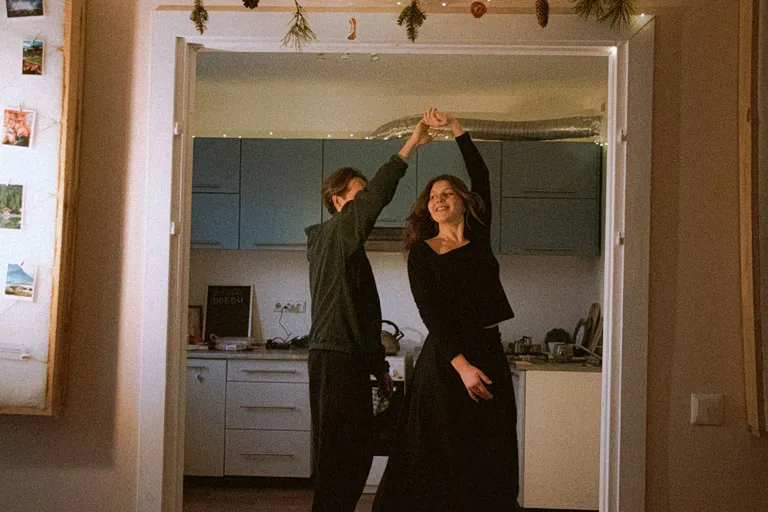
How does dance impact intense anxiety symptoms?
Group dance activities, particularly salsa, have demonstrated a measurable capacity to reduce symptoms of intense anxiety in young populations. According to research published in Psychological Medicine, structured dance interventions provide a unique combination of physical exertion, rhythmic coordination, and social connectivity that addresses psychological needs.
The study focused on a specific demographic: 121 young adults between the ages of 18 and 24 who reported experiencing mild to moderate symptoms of intense anxiety. To determine the efficacy of dance, researchers utilized a randomized controlled trial design. Participants were divided into two distinct groups:
- The Intervention Group: This group attended regular group salsa classes over an eight-week period.
- The Waitlist Control Group: These participants were placed on a waiting list to receive the same instruction at a later date, serving as a baseline for comparison.
Researchers conducted assessments of anxiety symptoms and other mental health indicators at the start of the study and at various subsequent intervals to track progress and changes in well-being.
What were the specific findings regarding mental health improvements?
The eight-week salsa intervention led to a more significant reduction in intense anxiety symptoms compared to the control group. While both groups showed some progress in certain areas, the distinction in how they experienced emotional relief was notable.
Comparing anxiety types and social outcomes
The research highlighted that the benefits of salsa were not uniform across all types of psychological distress, but were particularly potent in specific areas:
- Intense Anxiety: The salsa group showed a superior reduction in high-level anxiety symptoms compared to those on the waiting list.
- Social Anxiety: Participants in the dance classes reported a more pronounced improvement in managing social anxiety.
- Daily Enjoyment: There was a marked increase in the participants' reported level of daily pleasure and life satisfaction.
Interestingly, the study noted that both the salsa group and the waiting list group experienced improvements in generalized anxiety and feelings of loneliness. However, the salsa intervention did not provide a statistically significant additional benefit in these two specific categories beyond what was observed in the control group. This suggests that while dance is a powerful tool for specific social and intense anxieties, its impact on general loneliness may be similar to other forms of natural progression or standard social shifts.
Why does the enjoyment of the activity matter?
The level of personal enjoyment experienced during the dance sessions appeared to be a critical predictor of mental health outcomes. The data suggests that the effectiveness of the intervention is closely tied to how much the individual actually likes the activity.
Participants who reported higher levels of enjoyment during their salsa lessons showed a greater reduction in intense anxiety symptoms. This correlation implies that the psychological benefits of movement are amplified when the activity is intrinsically rewarding. Rather than viewing exercise or social interaction as a chore or a clinical requirement, engaging in something that brings genuine pleasure seems to enhance the therapeutic potential of the movement.
This finding underscores the importance of personalization in mental health support. Finding an activity that aligns with personal interests—whether it be dance, a specific sport, or a hobby—may be more effective for anxiety management than adhering to a prescribed but unappealing routine.
Does social contact prevent psychological withdrawal?
Social engagement appears to play a protective role against the decline in interest and enjoyment that often accompanies anxiety. The study observed a divergent pattern in social participation between the two groups of participants.
The researchers noted a concerning trend in the waitlist control group: these individuals reported a gradual loss of interest and a decrease in the enjoyment they derived from social interactions. This pattern of social withdrawal is frequently associated with the symptoms of intense anxiety, creating a cycle that can exacerbate mental health struggles. In contrast, the salsa group did not exhibit this decline in social interest.
While the study could not definitively prove that the maintenance of social contact was the sole cause of the improved mood, the correlation is significant. The structured, regular, and positive social environment provided by the salsa classes likely acted as a buffer against the isolation often felt by those struggling with anxiety.
Can other activities provide similar benefits to salsa?
While the study focused on salsa, the findings are not exclusive to this specific dance style. The core components that likely drove the benefits—physical movement, learning new skills, and regular human contact—can be found in various other activities.
The research suggests that any activity that integrates these elements could serve as a supportive tool for mental health. For instance:
- Group Sports: Team-based athletics provide the same combination of physical exertion and social accountability.
- Hiking and Outdoor Groups: Weekly walking or hiking groups offer movement and a sense of community.
- Other Dance Styles: Different forms of dance that involve group interaction and rhythmic movement could yield similar results.
It is vital to clarify that the study does not claim that dance or salsa can "cure" intense anxiety or depression. Instead, these activities should be viewed as supportive, supplementary tools. For individuals experiencing severe or persistent symptoms, professional clinical care remains the essential foundation of treatment. Dance serves as a functional, enjoyable, and socially enriching way to complement professional mental health strategies.
Frequently asked questions
Can dancing cure clinical anxiety?
No, dance is not a replacement for professional medical treatment. The study indicates that while salsa can significantly reduce symptoms of intense and social anxiety, it should be viewed as a supportive activity rather than a cure for clinical conditions like depression or severe anxiety disorders.
What age group benefited most from the study?
The study specifically focused on young adults between the ages of 18 and 24. This demographic showed measurable improvements in intense anxiety and social anxiety following the eight-week salsa intervention, highlighting the potential benefits for young people navigating early adulthood.
Why was salsa chosen for the research?
Salsa was used because it naturally combines several beneficial elements: physical activity, the acquisition of new motor skills, and consistent, rhythmic social interaction. These combined factors create a multifaceted approach to engagement that is particularly effective for social and intense anxiety.
Does the type of dance matter for mental health?
While the study focused on salsa, the researchers suggest that the specific dance style is less important than the presence of movement and social contact. Any activity that provides regular physical engagement and human interaction could potentially offer similar psychological support.
How long did the participants need to dance to see results?
In this study, the participants engaged in group salsa classes for a duration of eight weeks. This timeframe was sufficient to observe a significant reduction in intense anxiety symptoms and improvements in social anxiety and daily enjoyment compared to the control group.
Key takeaways
- Salsa dance classes can significantly reduce intense and social anxiety in young adults.
- Personal enjoyment of the activity is directly linked to greater improvements in mental health.
- Group dance helps prevent the social withdrawal often associated with high anxiety levels.
- Dance should be used as a supportive tool alongside professional clinical mental health care.
Conclusion
The findings from the Psychological Medicine study provide compelling evidence that dance is much more than mere entertainment. For young adults, the combination of rhythmic movement and social connection found in salsa classes offers a tangible way to mitigate intense anxiety and improve daily well-being. By fostering social engagement and providing a sense of enjoyment, dance acts as a powerful buffer against psychological distress. While it is not a substitute for professional medical intervention, integrating enjoyable, group-based physical activities into a wellness routine can offer significant emotional and social benefits.