Why is the influenza wave appearing earlier this year?
The seasonal influenza wave in Greece has commenced in mid-October, approximately ten days earlier than the typical late-October onset. This premature activity has pushed community positivity rates above the 10% epidemic threshold, a level that triggers heightened alert among health authorities.
Nikos Tzanakis, an emeritus professor of Pulmonology at the University of Crete, suggests that this early onset may be linked to a sudden drop in temperatures. While the surge is evident in Greece, the situation varies internationally. For instance, cases have been recorded in the United States and the United Kingdom since September, showing a gradual increase. However, the European Centre for Disease Prevention and Control (ECDC) notes that a widespread surge has not yet been observed across other European nations.
Environmental and regional factors
The shift in timing emphasizes that seasonal patterns are not fixed and can be influenced by rapid climatic changes. While the current spike is significant, experts note that hospitalizations have not yet reached critical levels, providing a narrow window for preventive action.
How does the timing of influenza vaccination affect protection?
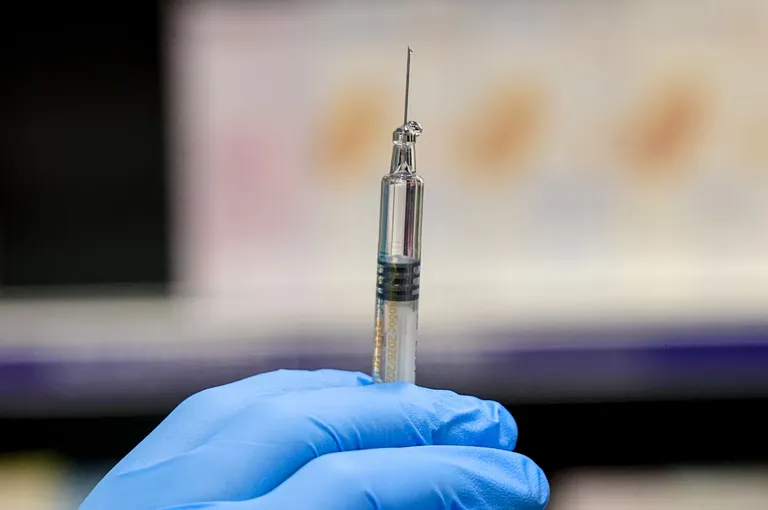
Timely influenza vaccination is essential because the body requires approximately two weeks after the injection to develop sufficient antibodies and establish adequate protection. Because the vaccine does not offer immediate coverage, it must be administered well before the period of highest viral circulation.
Experts define the most challenging period for influenza as spanning from mid-November to late March. To ensure full immunity before this high-risk window, medical professionals recommend completing the vaccination process by mid-November. Delaying the shot increases the risk of being unprotected during the peak months of the epidemic.
Who are the priority groups for influenza vaccination?
High-risk individuals, including the elderly and those with underlying health conditions, are the primary targets for immediate immunization. Pediatricians and public health experts emphasize that protecting these groups is vital to preventing severe complications and death.
Konstantinos Daloukas, a pediatrician and president of the Panhellenic Federation of Independent Pediatricians, has issued specific recommendations for various age groups:
- Children: All healthy children aged 6 months to 5 years are encouraged to get vaccinated.
- Pediatric options: For children between the ages of 2 and 18, an intranasal flu vaccine is available, though specific contraindications may apply.
- Elderly: Individuals over the age of 65 are advised to receive an enhanced flu vaccine to provide stronger protection.
- Adults: General adults, particularly those at higher risk of complications, should not postpone their shots.
What are the current vaccination targets and availability in Greece?
Greece is increasing its supply of flu vaccines this season, with 3.64 million doses expected to be imported, compared to 3.5 million doses during the previous period. This increase aims to support the growing need for immunization across the population.
Despite the increase in supply, significant gaps remain in meeting international health standards. The ECDC has set a European goal to vaccinate at least 75% of the elderly population to protect vulnerable groups and reduce the burden on healthcare systems. However, data from the 2024-2025 period shows that the median vaccination coverage in EU/EEA countries was only 47%, indicating a substantial gap between current practices and recommended safety targets.
What are the risks of severe influenza complications?
The impact of the current flu wave is already visible in clinical data regarding severe illness. According to EODY, the complications from the virus can lead to life-threatening situations, as evidenced by recent mortality and intensive care admissions.
The presence of patients in Intensive Care Units (ICUs) serves as a warning that influenza is not merely a common respiratory ailment but a significant public health threat capable of causing organ failure and death. For the elderly and immunocompromised, the risk of transitioning from mild symptoms to severe respiratory distress is significantly higher, making the vaccine a critical tool for survival.
Frequently asked questions
How long after the flu shot am I protected?
It takes approximately two weeks after receiving the influenza vaccination for your immune system to develop the necessary antibodies. Because protection is not instantaneous, you should aim to be vaccinated before the peak of the flu season to ensure you are covered when exposure risk is highest.
Which vaccine is recommended for children?
Healthy children aged 6 months to 5 years are encouraged to receive the vaccine. For children aged 2 to 18 years, an intranasal vaccine option is available. However, parents should consult a pediatrician, as certain medical conditions may act as contraindications for this specific delivery method.
Is there a special vaccine for people over 65?
Yes, medical experts recommend that individuals aged 65 and older receive an enhanced flu vaccine. This version is specifically designed to provide a more robust immune response in older adults, whose immune systems may not react as strongly to standard vaccine formulations.
Why is the 75% vaccination target important?
The 75% target set by the ECDC for the elderly is designed to create a shield around the most vulnerable members of society. High vaccination rates help reduce the overall circulation of the virus, thereby protecting those who cannot be vaccinated and preventing healthcare systems from being overwhelmed.
What should I do if I am in a high-risk group?
If you belong to a high-risk group, such as being elderly or having chronic health issues, you should prioritize getting vaccinated immediately. Do not delay the process, as the goal is to have full antibody protection before the most intense period of viral activity in late November.
Key takeaways
- The 2026 flu wave in Greece arrived early, with positivity exceeding 10% in mid-October.
- Vaccination requires two weeks to become effective, making mid-November the deadline for protection.
- Greece has increased its flu vaccine supply to 3.64 million doses for the current season.
- EU vaccination coverage for the elderly remains low at 47%, well below the 75% ECDC target.
Conclusion
The early arrival of the influenza wave in Greece underscores the necessity of proactive public health measures. With community positivity already surpassing epidemic thresholds and severe cases appearing in intensive care, the window for effective prevention is narrowing. Following expert advice to vaccinate by mid-November is crucial, particularly for children, the elderly, and high-risk adults. Achieving higher vaccination rates is not only a personal health priority but a collective necessity to meet European safety targets and protect the integrity of the healthcare system during the peak winter months.