What is age-related macular degeneration?
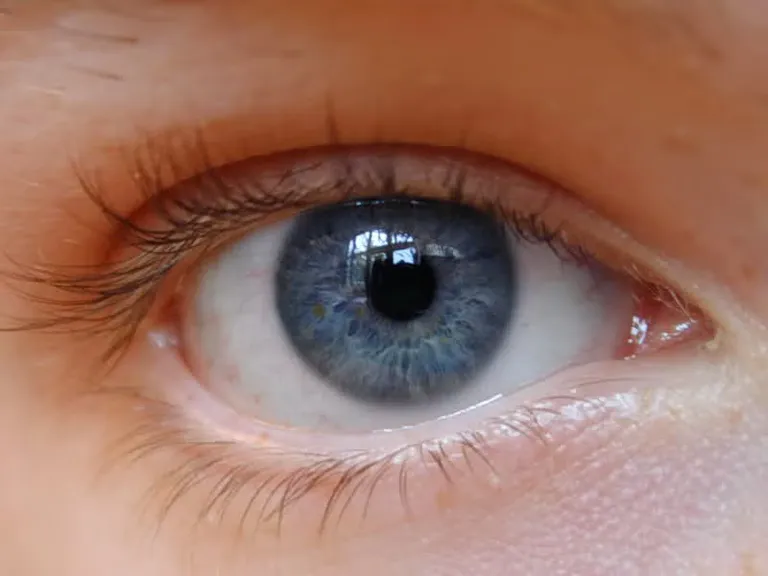
Age-related macular degeneration (AMD) is a degenerative eye disease that affects the macula, the part of the retina responsible for central vision. It is a leading cause of vision loss among older adults, particularly those over the age of 80. The condition can significantly impact daily activities such as reading and recognizing faces.
How prevalent is AMD and who is affected?
Globally, approximately 200 million people suffer from AMD, with numbers expected to rise to 300 million by 2040. In developed countries, AMD is the primary cause of legal blindness, affecting 10-13% of individuals over 60 and nearly 50% of those over 80-85 years old. Factors such as genetics, smoking, and environmental influences contribute to its development.
What are the types and symptoms of AMD?
AMD is classified into two types: dry and wet. The dry form is more common, while the wet form, though less frequent, can lead to rapid vision loss and requires prompt treatment. Early symptoms include metamorphopsia, where straight lines appear distorted, and difficulty seeing details or a blurred central vision. Regular eye exams are crucial for early detection.
Why is early diagnosis important?
Early diagnosis of AMD, especially the wet form, is vital as it allows for timely treatment that can preserve vision. Diagnostic tools like optical coherence tomography (OCT) provide detailed images of the retina, aiding in the assessment of macular changes.
What are the current treatment options for AMD?
Treatment for wet AMD primarily involves intravitreal injections of anti-VEGF drugs, which have been in use since the mid-2000s. These treatments can stabilize or improve vision but often require frequent administration. Newer drugs have extended the intervals between injections to up to 20 weeks for some patients, reducing the treatment burden.
How is dry AMD managed?
Management of dry AMD focuses on lifestyle modifications such as smoking cessation, sun protection, and a balanced diet rich in leafy greens and omega-3 fatty acids. Certain dietary supplements may also slow disease progression in select patients.
What future treatments and technologies are being explored?
Research into gene therapy offers potential for reducing the frequency of injections by enabling the retina to produce therapeutic substances. Although still in experimental stages, this approach could revolutionize AMD treatment. Additionally, artificial intelligence is being integrated into home monitoring systems to track disease progression and optimize patient care.
FAQ: Age-related Macular Degeneration
What is the main cause of AMD?
AMD is primarily caused by aging, but genetics, smoking, and environmental factors also play significant roles.
Can AMD be cured?
Currently, there is no cure for AMD, but treatments can help manage symptoms and slow progression.
How often should I get my eyes checked for AMD?
Annual eye exams are recommended, especially for those over 60, to detect AMD early.
Are there any lifestyle changes that can help with AMD?
Yes, quitting smoking, protecting eyes from UV light, and maintaining a healthy diet can help manage AMD.
What advancements are being made in AMD treatment?
Advancements include longer-lasting injectable drugs, gene therapy research, and AI for monitoring disease progression.
Key takeaways
- Age-related macular degeneration affects central vision and is prevalent in older adults.
- AMD is the leading cause of legal blindness in developed countries.
- Early detection and treatment are crucial for preserving vision in AMD patients.
- New treatments and technologies are improving the management of AMD.
- Lifestyle changes can help slow the progression of dry AMD.