What is the OGA pensioners legal loophole causing?
The legal loophole is forcing thousands of OGA (Organization for the Development of Agriculture) pensioners across Greece to repay significant sums of money to the state, with individual debts ranging from €10,000 to €12,000. This crisis stems from a legislative discrepancy regarding widowhood pensions, specifically concerning the reduction of benefits from 70% to 35% of the original pension amount.
While recent legislation was designed to protect widowhood pensions from such drastic cuts, a critical omission has left OGA beneficiaries in a state of legal limbo. Because they fall outside the specific protective framework of the new regulations, the state is treating previously paid benefits as 'unduly paid amounts' that must be returned to the Greek Treasury. This has created an immediate economic and psychological crisis for the elderly population involved.
The mechanics of the pension reduction
The core of the issue lies in the transition of pension rules. Under previous frameworks, widowhood pensions were subject to different calculation methods than those currently applied to general social security beneficiaries. When the law changed to standardize these benefits, a gap emerged for those under the OGA umbrella. For many, the law effectively retroactively applied a reduction, and the state is now seeking to claw back the difference between the 70% rate they received and the 35% rate they are now deemed entitled to under the new criteria.
How is this affecting elderly citizens in Greece?
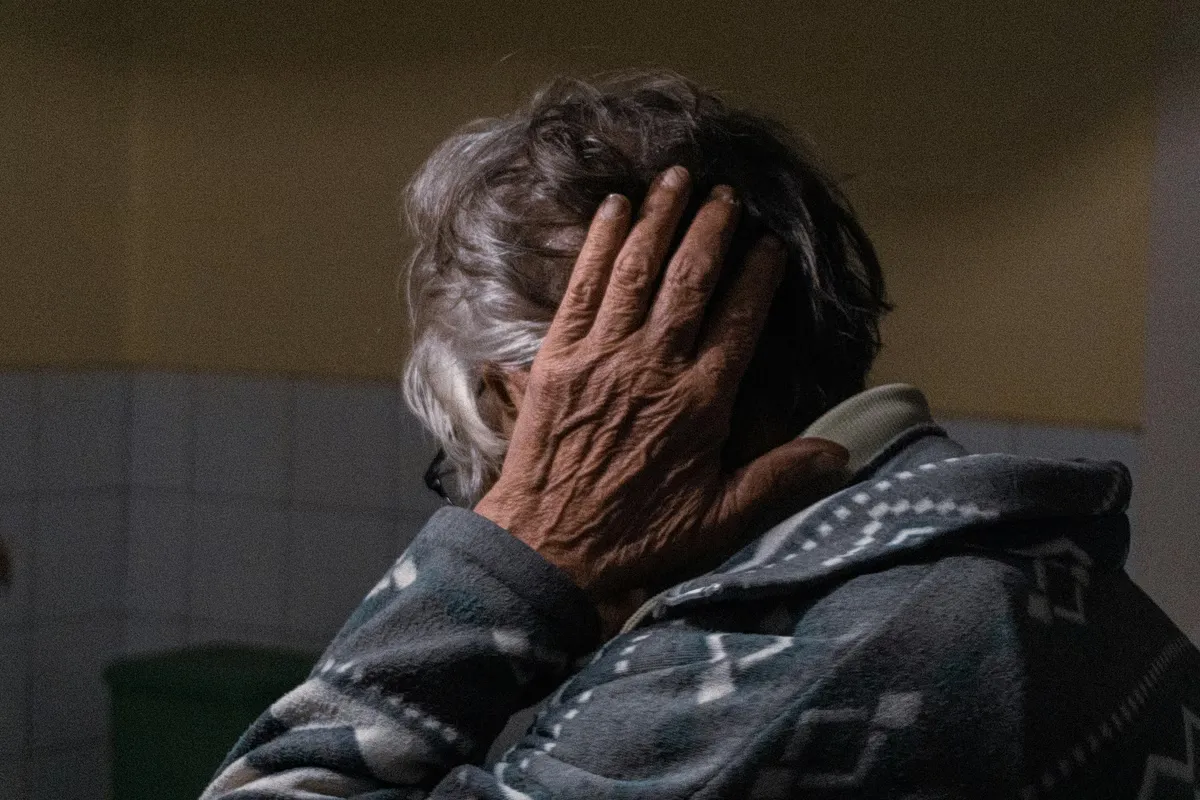
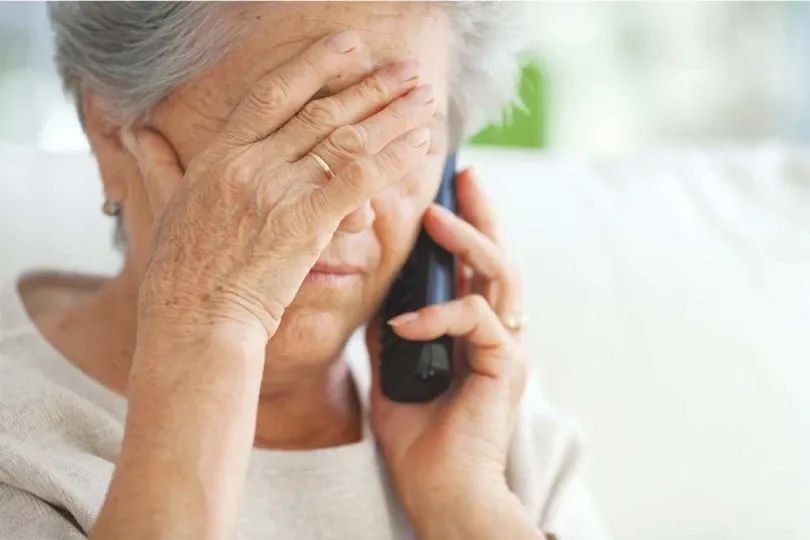
Vulnerable elderly citizens are facing extreme financial and psychological distress due to these sudden repayment demands. The most striking example involves an 80-year-old woman from Heraklion, Crete, who suddenly found herself owing €10,000 through no fault of her own. Such cases have turned the lives of many seniors into what families describe as a 'living nightmare.'
The impact extends beyond the individual to their entire family unit. Because many of these pensioners are of advanced age and suffer from various health issues, the sudden news of massive debt can have severe physical consequences. In the case of the Heraklion resident, her daughter reported having to withhold the information from her mother to protect her health, leaving the family to manage the complex legal and financial burden in secret.
The demographic most affected includes:
- Seniors who began receiving pensions after the year 2016.
- Individuals with existing health complications that make financial stress dangerous.
- Families who must now navigate legal battles to protect their elderly relatives from insolvency.
Why are pensioners receiving pensions after 2016 particularly at risk?
Pensioners who began receiving their benefits after 2016 are specifically excluded from the protective legal measures because the current legislation sets 2016 as a definitive boundary. This date acts as a threshold that leaves those qualifying after this period 'uncovered' by the new protections against pension reductions.
Because these individuals fall outside the scope of the new regulatory framework, the state classifies the difference in their pension amounts as money that was paid in error. Consequently, the Greek Treasury is demanding the return of these funds, which are viewed as 'unduly paid.' This creates a massive inequality where pensioners under different social security branches are protected, while OGA pensioners remain exposed to the full impact of the reduction from 70% to 35%.
What are the potential legal and legislative solutions?
Legal experts suggest that while these pensioners will likely succeed in court, the process will be both time-consuming and expensive. Anna Memetzi, President of the Orestiada Bar Association, has commented on the situation, noting that although judicial victory is expected, the path to justice is not easily accessible for the elderly.
The consensus among legal professionals is that a specific legislative intervention is required to resolve this social crisis. Relying solely on the court system may be insufficient for the hundreds of cases currently 'in the air.' A targeted law could bridge the gap and provide the necessary protection that the current framework lacks.
The role of the judiciary and legislative action
The current situation places a heavy burden on the Greek judicial system. For an elderly person with limited resources, the cost of hiring lawyers to fight a claim for €12,000 can be prohibitive. This creates a paradox where the right to justice exists, but the ability to exercise it is restricted by the very financial crisis the legal gap has created.
A specialized legislative regulation is seen as the most effective way to address the hundreds of cases currently in limbo. Such a measure would ideally:
- Provide retroactive protection for OGA pensioners.
- Standardize the widowhood pension rates across all social security branches.
- Prevent the state from pursuing 'unduly paid' claims against vulnerable seniors.
FAQ: OGA Pensioner Debt Crisis
Why am I being asked to repay my pension?
You may be asked to repay funds if you fall into a legal gap where your widowhood pension was calculated at 70% instead of the 35% rate now mandated by certain regulations. The state views this difference as money that was unduly paid to you.
Who is most affected by this legal loophole?
The group most at risk includes OGA pensioners, particularly those who began receiving their pensions after 2016. These individuals are currently excluded from the legal protections that prevent the reduction of widowhood benefits, leaving them vulnerable to repayment demands.
How much money are pensioners being asked to return?
The amounts vary depending on the individual's pension history, but many pensioners are facing demands for repayment ranging between €10,000 and €12,000. These sums represent the accumulated difference caused by the pension reduction gap.
Can these debts be fought in court?
Yes, legal experts believe that pensioners have strong grounds to win in court. However, the process is expected to be expensive and lengthy, which poses a significant challenge for elderly citizens with limited financial means and health issues.
Is there a way to fix this without a lawsuit?
The most effective solution proposed by legal professionals is a specific legislative regulation. A new law could bridge the current gap and provide immediate protection to all affected OGA pensioners without the need for individual legal battles.
Key takeaways
- OGA pensioners face unexpected debts of up to €12,000 due to a legal gap.
- The loophole specifically affects those who began receiving pensions after 2016.
- Widowhood pensions are being reduced from 70% to 35% for this group.
- Legal experts recommend a new law to provide immediate protection for seniors.
The path forward for Greek social security
The current crisis involving OGA pensioners highlights a significant failure in the transition of Greek social security laws. By creating a legislative boundary at 2016, the state has inadvertently penalized a vulnerable demographic, turning a social safety net into a source of profound financial instability. While the judiciary offers a potential avenue for justice, the systemic nature of the problem suggests that only direct legislative intervention can provide the stability these seniors require. Addressing this gap is not merely a legal necessity but a social imperative to protect the dignity of the elderly.