Why is there a disconnect between Greek ambitions and current infrastructure?
The primary reason for the growing disparity is the systemic neglect of essential maintenance in favor of new, high-profile projects. While political discourse focuses on a modernized Greece for the year 2030, the physical reality is defined by infrastructure that has not seen significant structural updates for decades. This creates a dangerous environment where modern societal demands are placed upon outdated and deteriorating systems.
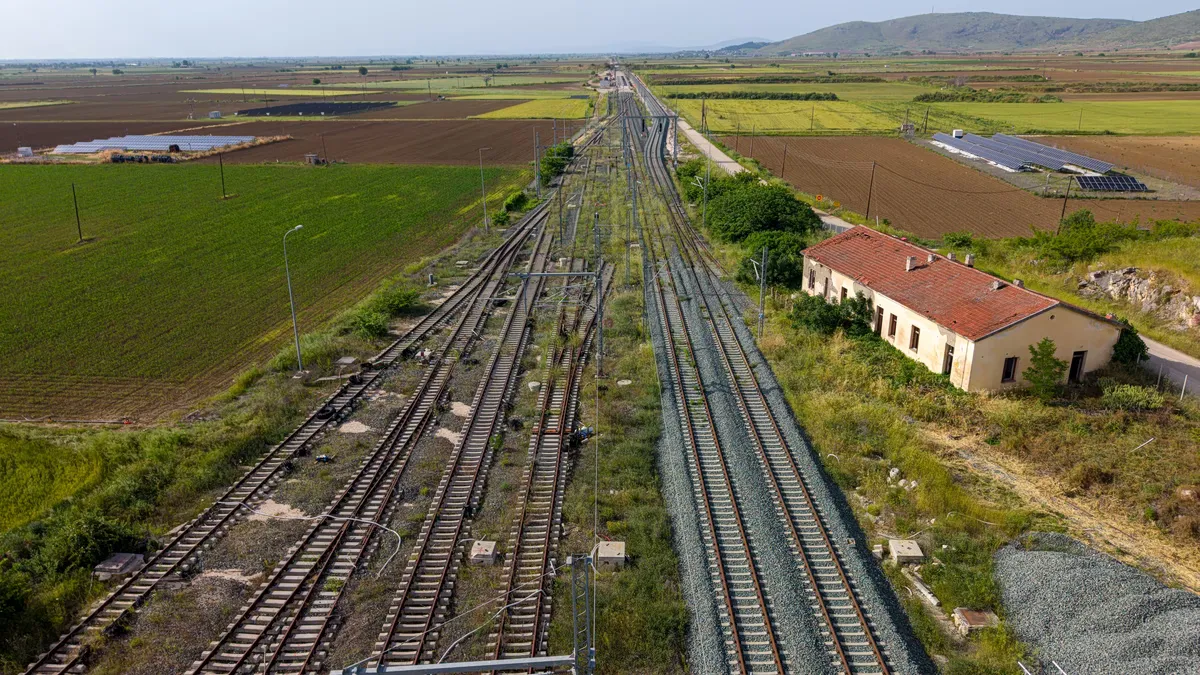
Current examples of this failure are visible across multiple sectors of Greek life. In educational environments, students in major urban centers like the Gravas school complex have been forced into remote learning due to gas leaks and outdated installations. Such incidents are not isolated; they reflect a broader pattern of aging public buildings that fail to meet basic safety standards. Similarly, in the transport sector, the ongoing legal proceedings regarding the Tempi railway tragedy highlight how the failure to complete essential safety works can lead to catastrophic loss of life.
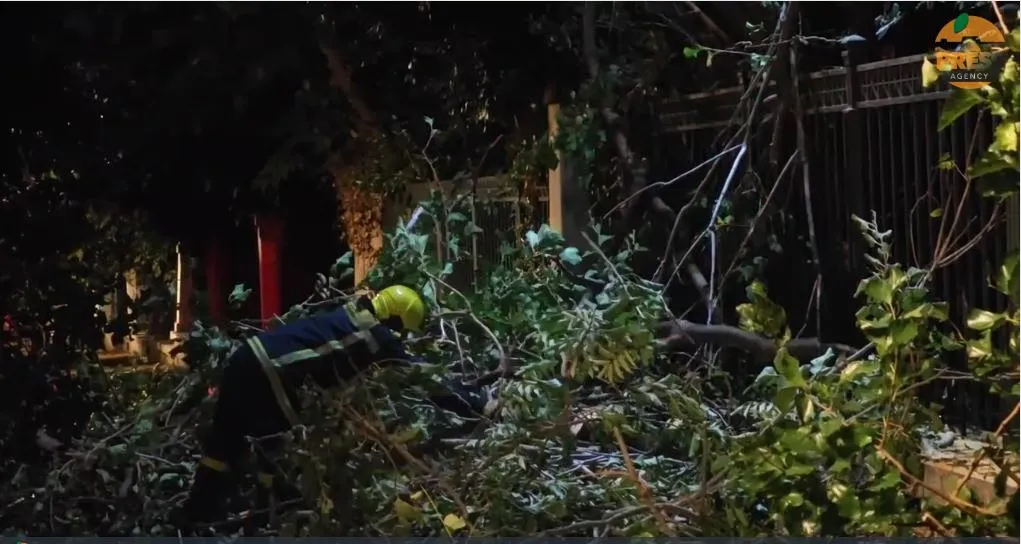
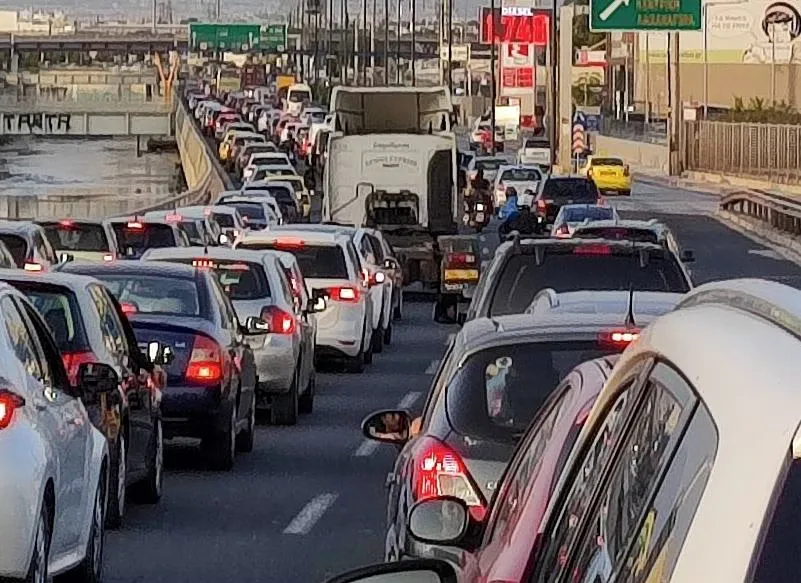
The mismatch is further exacerbated by the increasing frequency of extreme weather events. As climate change intensifies, the existing drainage and road networks—designed for a different era of weather patterns—are proving insufficient. Despite budget allocations for flood prevention, many regions continue to suffer from overflowing streams and destroyed roads during the first major storms of the season.
How are European funds being utilized for Greek infrastructure?
European funding is frequently diverted toward immediate economic stimulus rather than long-term structural resilience. Instead of being used as a strategic tool for the comprehensive repair and rebuilding of critical assets, much of this capital is treated as "hot money" to boost the general economy or satisfy absorption rate targets.
The strategic misuse of these funds has several consequences for the nation's long-term stability:
- Focus on absorption over impact: Funds are often spent to meet bureaucratic deadlines rather than to address the most urgent structural needs.
- Neglect of maintenance: It is notoriously difficult to secure specific funding for the upkeep of existing facilities, such as universities and schools, which are vital for public safety.
- Short-termism: Financial resources are often directed toward projects that offer high visibility, leaving the "invisible" work of maintenance unfunded.
This approach undermines the potential of European investment to create a truly resilient state. When funds are used as a temporary economic lubricant, the fundamental requirement of upgrading infrastructure to withstand modern usage and climate volatility remains unaddressed.
What are the risks of relying on private sector solutions?
The push toward privatization is often presented as a panacea for the state's fiscal limitations, but it introduces significant risks regarding safety and cost responsibility. While private sponsorships can provide much-needed capital for specific projects, they cannot replace the fundamental duty of the state to maintain public safety through a reliable and unified infrastructure network.
The limits of private involvement in public safety
Privatization carries an inherent tension between profit motives and the public interest. In the context of infrastructure, several critical issues arise when the state retreats from its traditional role:
- The cost gap: No private entity is willing to absorb the full cost of long-term structural maintenance, meaning the state ultimately remains the guarantor of last resort.
- Inconsistent standards: Relying on private actors can lead to fragmented infrastructure where safety standards vary depending on the profitability of the specific segment.
- Erosion of accountability: When infrastructure is managed by private interests, the direct line of accountability between the citizen and the state becomes blurred, making it harder to address systemic failures.
Ultimately, infrastructure cannot depend on the whims of private sponsorship or the availability of corporate social responsibility initiatives. It must remain a core priority of state operation to ensure universal safety standards.
How is the concept of state responsibility changing in Greece?
A shift in political rhetoric is increasingly framing state limitations as a necessity, suggesting that citizens must take more individual responsibility for their own safety. This trend is visible in the emphasis on emergency alert systems like "112" as a primary safety tool, which can inadvertently signal a retreat from the state's duty to prevent disasters before they occur.
This evolving narrative often includes calls for individual responsibility, such as the need for citizens to maintain private insurance against climate or seismic risks. While individual preparedness is valuable, it is being used as a rhetorical shield to justify the state's diminishing role in guaranteeing the integrity of public spaces and services.
The implications of this shift are profound for the social contract. If the state's role is reduced to merely managing the aftermath of disasters through emergency alerts, rather than ensuring the structural integrity of the buildings and roads people use every day, the fundamental agreement between the citizen and the state is broken. Citizens contribute through taxation with the expectation that the state will provide a safe environment, including schools that do not collapse and roads that do not wash away.
Key takeaways
- The gap between Greece's 2030 goals and its current aging infrastructure creates significant public safety risks.
- European funds are often used for short-term economic stimulus instead of long-term structural maintenance.
- Privatization of infrastructure cannot replace the state's fundamental responsibility for public safety.
- The rising rhetoric of "individual responsibility" often masks a retreat in state accountability and investment.
FAQ: Greek infrastructure and public safety
Why is school infrastructure in Greece considered a risk?
Many school buildings are aging and have not undergone necessary structural or technical updates for years. This leads to issues such as gas leaks, falling plaster, and inadequate electrical systems, which can force schools to suspend in-person learning to ensure student safety.
Can European funds solve the infrastructure problem?
European funds have the potential to solve these issues, but they are currently often used as "hot money" for economic stimulus. To be effective, these funds must be strategically directed toward the long-term maintenance and upgrading of critical public assets and networks.
What is the impact of climate change on Greek roads?
Increased frequency of extreme weather and heavy rainfall puts immense pressure on outdated drainage systems. This leads to frequent flooding, road erosion, and damage to transport networks that were not designed to handle such intense weather patterns.
Is privatization a viable solution for Greek infrastructure?
While private investment can supplement certain projects, it cannot replace the state's duty. Private entities are unlikely to cover the full costs of essential maintenance, meaning the state must remain the primary guarantor of structural safety and long-term upkeep.
What does the "112" emphasis signify?
The heavy emphasis on the 112 emergency system can be seen as a shift in focus from prevention to reaction. It suggests a rhetorical move where the state prioritizes alerting citizens to danger rather than proactively maintaining the infrastructure that prevents danger.
Conclusion
The tension between Greece's future aspirations and its current structural reality represents a fundamental challenge to the nation's stability. Addressing the decay of public buildings, transport networks, and climate defenses is not merely a technical requirement but a core obligation of the state. Relying on private funding or shifting the burden of risk to individual citizens does not resolve the underlying crisis of aging systems. To fulfill the promises of a modern 2030, the government must move beyond high-level rhetoric and commit to the rigorous, systematic maintenance that forms the basis of a safe and functional society.