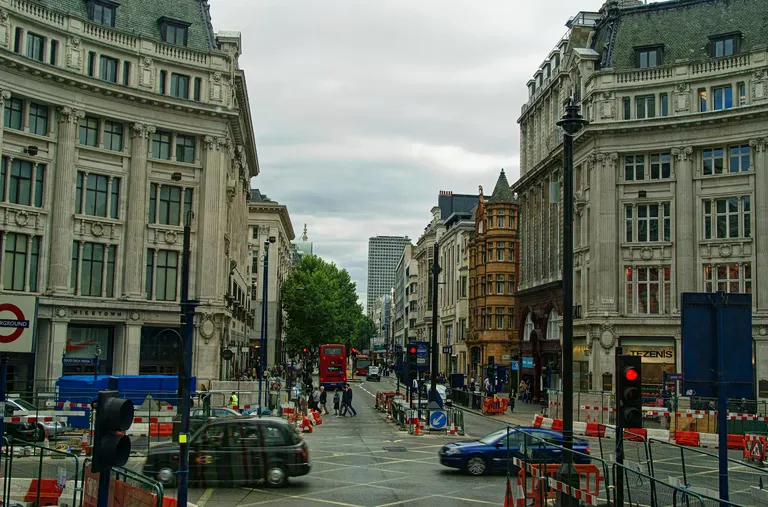
What is the scope of the Oxford Street pedestrianisation project?
The transformation involves converting approximately half of the 1.2-mile stretch of Oxford Street, specifically the section between Orchard Street and Great Portland Street, into a zone free from motorized vehicles. While private cars have been prohibited in this area for several years, this new phase represents a significantly more radical shift by banning all forms of motorized transport, including buses, black cabs, and even bicycles.
The project is part of a broader £150 million investment strategy supported by the central government. This funding is intended to facilitate the transition of the West End into a modern, multi-use destination. The scale of the undertaking has drawn international attention, with London planners studying successful models such as the pedestrianization of Sydney's city center and the layout of 'La Rambla' in Barcelona.
Implementation phases and timeline
The rollout of the project follows a structured timeline to balance construction with the needs of the retail sector. Initial safety measures were implemented in late October 2026 to allow for traffic diversion. The construction of semi-permanent security measures is expected to continue through November, before a scheduled pause to protect the 'Golden Quarter' during the critical Christmas shopping period. Work is slated to resume in January, with significant structural changes planned for April. During this time, the road surface in front of major landmarks like Selfridges and John Lewis will be raised to create new public squares, complemented by increased greenery and urban seating.
How will the pedestrianisation impact the West End economy?
Economic theory suggests that increasing the time visitors spend in a specific area directly correlates with higher retail spending. Nabin Khan, CEO of the Oxford Street Development Corporation (OSDC), notes that making the street more pedestrian-friendly and accessible will encourage tourists and locals to linger, admire the architecture, and ultimately spend more in local businesses.
Retail veterans also see significant potential in the move. Peter Ruiz, a retail industry veteran, argues that the pedestrianization will unlock opportunities for innovation that were previously hindered by concerns regarding traffic congestion, security, and theft. By creating a safer and more pleasant environment, the street can reclaim footfall that has recently been diverted to surrounding areas.
Major retailers are already signaling their support through continued investment. For instance, John Lewis, which has operated in the area for over 160 years, stated that the change will create a vibrant, thriving retail environment. Similarly, Selfridges is investing in the area, and a new Harry Potter-themed flagship store featuring an internal restaurant is expected to open at the eastern end of the street, further diversifying the consumer experience.
Why is Oxford Street shifting from retail to mixed-use?
Oxford Street is undergoing a fundamental identity shift, moving away from being solely a retail corridor toward becoming a mixed-use destination. This evolution is driven by two primary factors: the aftermath of the pandemic and the opening of the Elizabeth Line, which has altered the professional landscape of the area.
Sadiq Khan, the Mayor of London, has highlighted that there are now more office workers in the area than retail employees. This demographic shift has prompted the OSDC to plan for approximately three million square feet of new office space, with further developments expected over the next three to five years. The goal is to create a destination where people do not just shop, but also work, dine, and experience culture.
The rise of experiential destinations
To support this mixed-use vision, the redevelopment includes dedicated spaces for dining and social interaction. An experimental dining zone near St Christopher’s Place will allow visitors to enjoy meals while engaging with the street life. This approach aims to transform the street from a mere transit route into a destination where the 'experience' is as important as the transaction.
What are the challenges and criticisms of the project?
Despite the optimism from the Mayor's office and major retailers, the project faces practical challenges and skepticism regarding its immediate benefits. Critics and industry experts point out that such massive urban shifts require patience and careful management to avoid disrupting the very businesses they aim to help.
Peter Ruiz provides a realistic perspective on the timeline, suggesting that it may take at least 24 months before the full benefits of the pedestrianization become tangible. He notes that while much debate has occurred over the years, the true test will be the long-term impact on the street's functionality and atmosphere. The transition period, involving construction and changes to transport routes, remains a sensitive phase for local businesses and commuters alike.
Frequently asked questions
Which vehicles are banned from the new Oxford Street zone?
The new regulations are much stricter than previous restrictions. While private cars were already largely prohibited, the new pedestrian zone will ban all motorized transport, including buses, black taxis, and bicycles, to create a completely car-free environment for pedestrians.
What is the total budget for the Oxford Street redevelopment?
The project is supported by a £150 million budget. This funding, which includes support from the central government, is intended to facilitate the transformation of the West End into a greener, more accessible, and more economically vibrant urban space.
How long will the construction process take?
The project is being implemented in stages. Initial safety measures began in October 2026, with significant structural works, such as raising the road surface to create new squares, scheduled for April 2027. Experts suggest it may take up to five years to see the full impact.
Will the pedestrianization affect Christmas shopping?
Yes, the project includes a strategic pause in construction. Work will be halted during the 'Golden Quarter' to ensure that the area remains accessible and protected during the busy Christmas shopping period, before resuming in January.
Why is the street changing from retail to office space?
The shift is due to changing urban dynamics following the pandemic and the introduction of the Elizabeth Line. These factors have led to an increase in office workers, prompting a move toward a mixed-use model that combines retail, office, and leisure.
Key takeaways
- The £150 million project will pedestrianize a 1.2-mile section of Oxford Street.
- All motorized vehicles, including buses and taxis, will be prohibited in the zone.
- The redevelopment aims to transform the area into a mixed-use destination for retail, offices, and dining.
- Construction will pause during the Christmas period to protect peak retail trading.
- The project seeks to increase visitor 'dwell time' to boost local economic spending.
Conclusion
The pedestrianization of Oxford Street marks a definitive turning point for London's West End. By moving away from a vehicle-centric model toward a mixed-use, pedestrian-first environment, the city is attempting to future-proof one of its most iconic commercial assets. While the transition involves significant logistical challenges and a multi-year timeline, the integration of office space, dining, and enhanced public realms reflects a modern approach to urban living. If successful, this £150 million investment will redefine the relationship between Londoners, tourists, and the historic retail landscape of the capital.