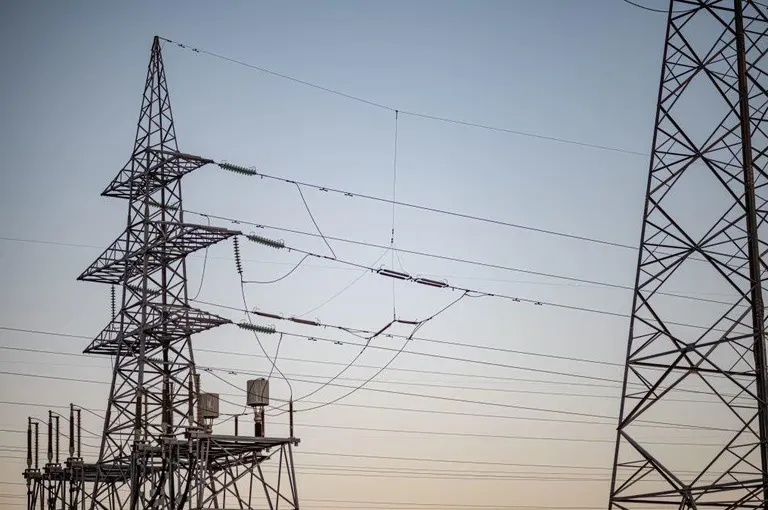
Why are European electricity prices surging across the continent?
Wholesale electricity prices have climbed to critical levels, particularly in Southeastern Europe, where rates have frequently surpassed the €300/MWh threshold. This upward trend is largely attributed to a combination of decreased renewable energy production and a reduction in the availability of cheaper imported energy sources. The resulting supply constraints are placing immense pressure on the regional electrical grid just as the winter season approaches.
The volatility is not uniform across the continent, but the intensity of the price spikes is most visible in specific corridors. For instance, recent market data indicates that prices in Albania have skyrocketed to approximately €366.90/MWh, while Hungary and Bulgaria are seeing rates between €320 and €325/MWh. Even major economies like Germany are experiencing wholesale costs above €314/MWh, highlighting a widespread systemic strain.
Regional price breakdown in late October 2026
The divergence between national markets remains a significant challenge for EU policymakers. While some regions face extreme costs, others maintain slightly more stable, albeit high, levels. The following table illustrates the recent wholesale price movements observed in several key European markets:
| Country | Recent Price (per MWh) |
|---|---|
| Albania | €366.90 |
| Hungary | €324.60 |
| Romania | €323.80 |
| Bulgaria | €320.10 |
| Germany | €314.90 |
| Luxembourg | €314.90 |
| Serbia | Over €300.00 |
How is the Greek energy market performing relative to its neighbors?
The Greek wholesale electricity market has maintained a comparatively lower price profile than many of its Southeastern European neighbors, often acting as an exporter to stabilize adjacent regions. On Wednesday, October 28, the average price in Greece was recorded at €232.57/MWh, which represented a slight increase of approximately €7.70 from the previous day. While these figures are not low by historical standards, they remain significantly below the levels seen in Bulgaria, Romania, and Hungary.
Greece has played a notable role in regional energy flows, particularly through increased exports to the north. Data shows that average exports reached approximately 2,010 MW, a notable rise from the 1,400 MW recorded the day prior. These flows have been particularly significant toward the Bulgarian market. As of Thursday, October 29, the price on the Greek Energy Exchange is trending at €238.80/MWh, continuing to sit well below the broader regional average despite the recent upward movement.
What are Eurelectric's recommendations for EU Energy Ministers?
Eurelectric, the leading association representing the electricity sector in Europe, has submitted a formal letter to EU Energy Ministers outlining specific measures to alleviate the burden on consumers without destabilizing the internal market. The association, led by CEO Markus Rauramo and Secretary General Christian Rübi, emphasizes that while the pressure on households and energy-intensive industries is real, policy interventions must be surgical and temporary to avoid long-term market distortions.
The association's strategy focuses on three primary pillars designed to protect consumers while fostering a resilient energy transition. They argue that the continued exposure to imported fossil fuels remains a fundamental driver of high costs, necessitating a shift toward structural rather than purely compensatory measures.
Targeted relief versus market distortion
Eurelectric strongly advocates for the removal of non-energy charges from electricity bills to provide immediate relief to consumers. However, they caution against broad subsidies that could undermine the investment signals necessary for the green transition. Specifically, the association has voiced opposition to subsidizing natural gas used in electricity production. They argue that capping gas costs for power generators acts as an indirect subsidy for gas technology, which could artificially inflate demand and disrupt cross-border electricity trade.
The association pointed to the 2022 interventions in Spain and Portugal as a cautionary tale. While those measures were justified by the low interconnectivity of the Iberian Peninsula, Eurelectric warns that applying similar models to highly interconnected European markets could result in national subsidies being effectively exported to neighboring countries, leaving the original taxpayers to bear the costs without local benefit.
How does electrification factor into long-term energy security?
Electrification is proposed as a core pillar of Europe's long-term energy security strategy to reduce dependence on imported fossil fuels. Eurelectric is calling for an ambitious target to increase the share of electricity in final energy consumption to 50% by 2040, up from the 46% currently projected by the European Commission's Electrification Action Plan. This shift is intended to decarbonize critical sectors, including industrial processes, heating, and transportation.
To achieve this, the association stresses the need for accelerated investment in several key areas:
- Clean Power Generation: Increasing the capacity of renewable and low-carbon sources.
- Grid Infrastructure: Strengthening networks to handle decentralized and variable loads.
- Storage and Flexibility: Enhancing the ability to manage supply-demand imbalances.
Furthermore, Eurelectric highlights the importance of a predictable carbon price and the rapid implementation of the second Emissions Trading System (ETS2), which will target emissions from buildings and road transport. By creating a clear economic framework, the EU can drive the necessary private investment to meet these long-term stability goals.
Frequently asked questions
Why are electricity prices so high in Southeastern Europe?
High prices in Southeastern Europe are primarily driven by limited availability of renewable energy and reduced imports of cheaper electricity. This supply shortage, combined with high demand and regional grid pressures, has pushed wholesale prices in countries like Albania and Bulgaria well above €300/MWh.
How does Greece compare to its neighbors in energy costs?
Greece currently maintains lower wholesale electricity prices than many of its neighbors, such as Bulgaria and Romania. Due to its market position, Greece has also increased its electricity exports, reaching approximately 2,010 MW to help supply northern neighbors during this period of volatility.
What is Eurelectric's stance on gas subsidies for power plants?
Eurelectric opposes subsidizing natural gas used for electricity generation. They argue such measures act as an indirect subsidy for gas, potentially increasing demand and creating market distortions. They suggest that in interconnected markets, these subsidies might inadvertently benefit neighboring countries instead of domestic consumers.
What is the proposed target for electrification by 2040?
Eurelectric recommends that electricity should account for 50% of final energy consumption by 2040. This is an increase from the European Commission's current target of 46% and is aimed at reducing fossil fuel dependency in heating, transport, and industry.
What measures does Eurelectric suggest for immediate consumer relief?
The association suggests removing non-energy charges from electricity bills to provide direct relief. They also advocate for using existing European tools, such as the Clean Industry Support Mechanism (CISAF), to protect energy-intensive industries from the impact of high costs.
Key takeaways
- Wholesale electricity prices in parts of Europe have exceeded €300/MWh due to supply constraints.
- Albania and Hungary are among the hardest-hit regions with prices reaching over €320/MWh.
- Greece is acting as a regional exporter, with exports rising to approximately 2,010 MW.
- Eurelectric recommends a 50% electrification target by 2040 to ensure long-term security.
- Policy experts warn against gas subsidies that could distort the European internal market.
The path toward energy stability
The current surge in European electricity prices underscores the fragility of the regional energy system during seasonal transitions. While the immediate focus of EU Energy Ministers is on mitigating the impact on households and industry, the underlying issues of supply volatility and fossil fuel dependence remain. The debate between providing temporary relief and maintaining market integrity is central to the upcoming decade of energy policy. Successfully balancing these needs will require not only targeted consumer support but also a massive, coordinated investment in electrification and grid resilience to ensure that high prices do not become the new permanent reality for the European economy.