What are the core components of the UK budget 2026?
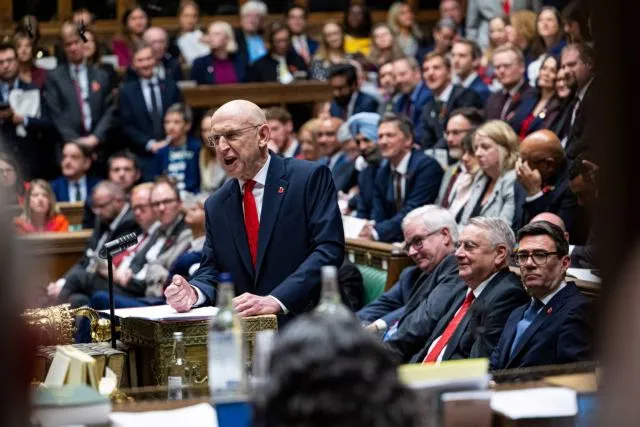
The primary objective of the 2026 budget presented by Chancellor John Hill is to secure a 'financial breathing space' for British families amidst global economic instability. The Labour government, led by Prime Minister Andy Burnham, has pivoted toward using targeted taxation on the financial sector to fund direct social support. This strategy aims to address the immediate pressure of rising utility costs on middle and low-income households.
Central to this fiscal plan is the recalibration of the bank levy. By tapping into the profits of major financial institutions, the government intends to create a dedicated revenue stream for energy subsidies. The Chancellor emphasized that this approach is a necessary response to the 'global economic storms' that continue to impact domestic stability. The budget also addresses broader geopolitical tensions, citing the war in Ukraine and conflicts in the Middle East as significant drivers of economic uncertainty.
Direct energy relief for households
A significant portion of the newly generated revenue is earmarked for a direct cash injection into the accounts of roughly 20 million households. Each eligible household will receive £100, a sum intended to offset the anticipated rise in energy bills during the upcoming winter season. To ensure efficiency and reach, the government has committed to distributing these funds via direct bank transfers, bypassing traditional bureaucratic delays.
How will the bank tax increase impact the financial sector?
The government has decided to increase the emergency bank tax to 6% for a duration of 15 months, effective from January 2026. This represents a notable shift from the 3% rate that was in place in 2023. While the levy has seen fluctuations in the past—reaching 8% in 2016 before being reduced—the current hike is specifically designed to be temporary and targeted toward social relief. The move is expected to yield approximately £1.5 billion (roughly €1.79 billion) in additional state revenue.
Despite the increase, the market reaction from the banking sector has been surprisingly positive. Because the 6% rate was lower than many analysts and banking executives had feared, share prices for major London-listed institutions saw an uptick following the announcement. This includes significant players such as Barclays and NatWest, which saw investor confidence bolstered by the relative predictability of the new tax level.
Historical context of the bank levy
The use of a bank levy as a tool for social redistribution is not entirely new to the UK fiscal toolkit. Looking back at the history of these emergency taxes, the government has previously utilized higher rates during periods of intense economic restructuring. By setting the current rate at 6%, the Treasury is attempting to strike a balance between extracting necessary funds for public welfare and maintaining the stability of the London financial markets.
What energy cost mitigations are included in the budget?
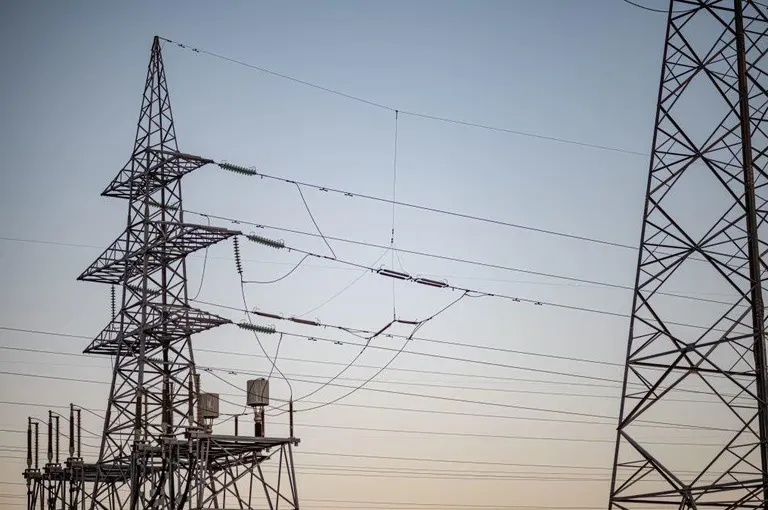
Beyond the bank-funded household payments, the budget introduces several extensions and removals of existing tax reliefs to curb energy costs. Chancellor John Hill announced the extension of fuel tax reductions until the end of June, providing continued relief for motorists and logistics providers. Furthermore, the government has signaled a significant structural change by announcing the abolition of standing charges on natural gas bills starting next year.
The budget also addresses Value Added Tax (VAT) regarding electricity. The VAT exemption on electricity, which has been in effect since October, will be extended through the coming summer. These cumulative measures are designed to provide a multi-layered defense against the volatility of energy markets, targeting both the immediate winter peak and the transitional periods of the following year.
The role of VAT in energy affordability
The extension of the VAT exemption on electricity is a critical component for long-term household budgeting. By delaying the reintroduction of VAT on power consumption until the summer, the government provides a buffer that prevents a sudden spike in monthly utility outflows. This policy works in tandem with the £100 direct payments to ensure that the most vulnerable sectors of the population are not disproportionately affected by seasonal price fluctuations.
How do geopolitical tensions influence this fiscal policy?
The UK's fiscal decisions in 2026 are heavily influenced by a complex web of international crises. During his budget speech, Chancellor Hill explicitly linked the necessity of these measures to ongoing global instability. He cited 'trade tensions,' the 'illegal invasion of Ukraine by Putin,' and the ongoing conflicts in the Middle East as primary factors contributing to the domestic economic climate.
These geopolitical factors drive energy market volatility and inflation, making it difficult for the government to maintain traditional fiscal stances. The decision to tax banks to support households is, in many ways, a defensive maneuver intended to insulate the British domestic economy from external shocks. The budget reflects a recognition that domestic stability is increasingly dependent on navigating a highly unpredictable international landscape.
Frequently asked questions
Who will receive the £100 energy support payment?
The £100 payment is targeted at approximately 20 million households in England, specifically those living in low-to-middle value properties. The government intends to distribute these funds directly into recipients' bank accounts to ensure the money is available for immediate energy costs.
How long will the increased bank tax remain in effect?
The increased bank tax rate of 6% is scheduled to last for a period of 15 months. This temporary measure is set to begin in January 2026 and is designed to generate the £1.5 billion required for household subsidies.
What happens to natural gas standing charges?
The government has announced the complete abolition of standing charges on natural gas bills. This change is scheduled to take effect next year, providing a permanent reduction in the fixed costs associated with maintaining a gas connection for households.
Will fuel tax reductions be extended?
Yes, Chancellor John Hill confirmed that the current tax reductions on fuel will be extended until the end of June. This move is intended to provide continued relief to consumers and businesses facing high transport costs.
Why did bank stocks rise after the tax increase?
Bank stocks, including Barclays and NatWest, rose because the 6% tax rate was lower than the higher levels many investors had anticipated. The relative moderation of the tax hike provided a sense of certainty to the markets.
Key takeaways
- The bank tax will increase to 6% for 15 months starting in January 2026.
- The tax hike is expected to generate £1.5 billion in additional government revenue.
- Approximately 20 million households will receive a direct £100 payment for energy costs.
- Standing charges on natural gas bills will be abolished starting next year.
- VAT exemptions on electricity will be extended until the summer of 2026.
The fiscal strategy of the Labour government
The 2026 budget represents a decisive attempt by the Labour government to use the financial sector as a stabilizer for the broader economy. By implementing a temporary bank levy to fund direct household relief, the administration is prioritizing immediate social welfare in the face of persistent energy volatility. While the increased tax burden on banks was a point of concern, the market's positive response suggests that the scale of the increase was manageable. Moving forward, the success of this policy will depend on the government's ability to mitigate the effects of ongoing geopolitical instability on energy prices and inflation.