Why is the government extending fuel support measures?
The government is planning to extend and potentially expand current fuel support measures due to intensifying energy costs affecting domestic households. As global energy markets experience significant volatility, the administration is evaluating the fiscal space available to maintain relief for consumers. Decisions regarding subsidies for heating oil, diesel, and unleaded gasoline are expected within the coming week to cover the first half of November.
The urgency of these measures is driven by a sharp rise in commodity prices. According to recent market data, Brent crude oil has reached a five-month high of $117 per barrel. Simultaneously, natural gas prices in Europe have climbed above €92 per megawatt-hour (MWh), reaching levels seen during the peak of previous energy crises. This dual pressure on both heating and transport fuels necessitates a coordinated fiscal response to prevent further economic strain on the population.
What are the current subsidy levels for fuel types?
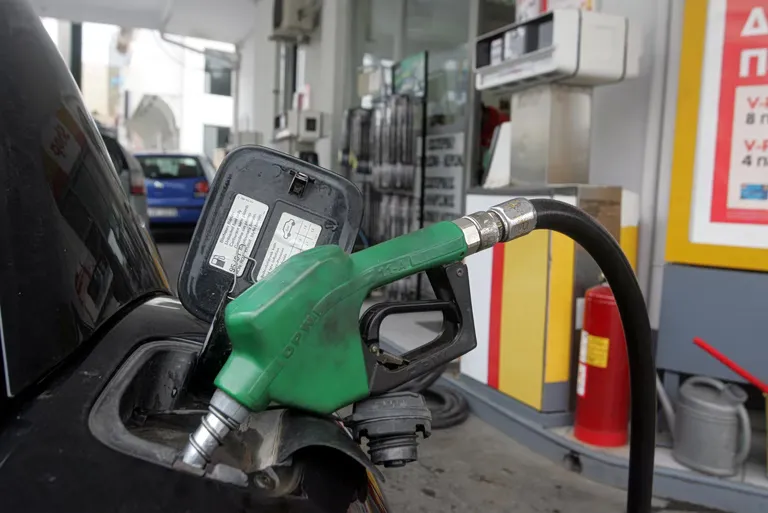
Current subsidies are structured to provide relief across three primary categories: heating oil, diesel, and unleaded gasoline. As of October 31, these measures provide a specific cent-per-liter reduction to offset high costs. The breakdown of these supports is as follows:
| Fuel Type | Total Subsidy (cents/liter) | State Contribution | Refinery Contribution |
|---|---|---|---|
| Heating Oil | 40 | 20 | 20 |
| Diesel | 20 | 15 | 5 |
| Unleaded Gasoline | 10 | 10 | 0 |
The upcoming decisions for the first fortnight of November will depend heavily on the available budget. While the state provides the bulk of the support for diesel and gasoline, heating oil relief relies on a shared responsibility between the government and refineries.
How will the new energy measures be financed?
The financing of extended support relies on a strategic reallocation of funds from the energy windfall tax (energy escape clause). The government aims to utilize between €300 million and €400 million from the total €1 billion available in this fund. Rather than using the entire windfall to cover immediate consumption, the plan involves a dual approach: providing direct relief to citizens while earmarking the remainder for long-term energy infrastructure investments.
Fiscal negotiations and European oversight
The implementation of these measures is not solely a domestic matter; it involves complex negotiations within the European Union framework. Athens is seeking greater flexibility from Brussels to manage these fiscal interventions. Several key diplomatic and economic milestones will determine the scope of the support:
- October 29: Meeting of the Council of Energy Ministers.
- November 9: Eurogroup meeting to discuss fiscal stability.
- November 13 & 26-27: Summits of European leaders to coordinate regional energy responses.
The ability to navigate these meetings will dictate whether the government can successfully deploy the proposed €300-400 million for consumer relief without violating EU fiscal guidelines.
What is driving the global surge in energy prices?
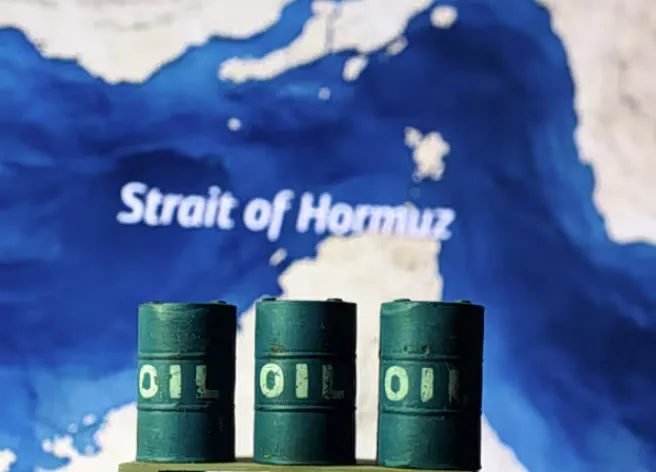
Global energy markets are experiencing intense volatility driven by geopolitical instability in the Middle East and the Persian Gulf. The price of Brent crude, a global benchmark, has seen significant fluctuations throughout 2026. After reaching a peak of $126 per barrel during the conflict in Iran, prices retreated to $71 in mid-July due to hopes for a ceasefire. However, those hopes faded following the collapse of US-Iran negotiations and renewed hostilities.
The recent escalation is further compounded by specific security concerns in the Persian Gulf. Reports indicate that Saudi Aramco has instructed personnel to evacuate central offices in Dhahran, a move that has heightened market anxiety regarding supply stability. This geopolitical tension has directly contributed to the recent rally in oil prices back toward the $117 mark.
How has the natural gas market reacted to recent conflicts?
European natural gas prices have seen a dramatic increase, rising by 200% compared to earlier in the year. In February, prior to the escalation of conflict in the Middle East, gas prices stood at approximately €31/MWh. The subsequent geopolitical shifts have pushed these costs to the current levels exceeding €92/MWh. This rapid ascent places significant pressure on industrial users and residential heating providers alike, creating a cycle of high demand and high prices that the proposed government subsidies aim to dampen.
Frequently asked questions
What is the current subsidy for heating oil?
The current subsidy for heating oil is 40 cents per liter. This amount is split equally, with 20 cents provided by the state and 20 cents provided by the refineries. These measures are currently scheduled to remain in place until October 31.
How much is the state contributing to gasoline subsidies?
For regular unleaded gasoline, the state provides a subsidy of 10 cents per liter. Unlike heating oil or diesel, there is currently no contribution from the refineries for this specific fuel type; the relief is provided exclusively by the government.
Why are oil prices rising so rapidly?
Oil prices are rising due to geopolitical tensions in the Middle East and the Persian Gulf. Specifically, the collapse of US-Iran negotiations and security concerns involving Saudi Aramco's operations in Dhahran have increased market uncertainty and driven Brent crude toward $117 per barrel.
Where does the money for these subsidies come from?
The government intends to use a portion of the €1 billion energy windfall tax (energy escape clause). It is expected that between €300 million and €400 million will be allocated to support measures, while the rest is reserved for energy infrastructure.
When will the next subsidy decisions be made?
Decisions regarding the subsidies for the first half of November are expected to be announced within the coming week. These decisions will be influenced by ongoing negotiations with European authorities and the available domestic fiscal capacity.
Key takeaways
- Crude oil prices have surged to approximately $117 per barrel due to Middle East tensions.
- European natural gas prices have risen 200%, exceeding €92 per MWh.
- Heating oil currently receives a 40-cent per liter subsidy shared by the state and refineries.
- The government plans to use up to €400 million from the energy windfall tax for relief.
Conclusion
The intersection of rising global commodity prices and regional geopolitical instability has placed immense pressure on European energy consumers. As Brent crude and natural gas prices continue to climb, the Greek government's plan to extend fuel support measures offers a vital, albeit fiscally constrained, buffer for households. The success of these interventions depends on the strategic use of the energy windfall tax and the outcome of critical negotiations with European Union leaders in November. Ultimately, the balance between providing immediate relief and investing in long-term energy infrastructure will define the region's economic resilience in the face of ongoing volatility.