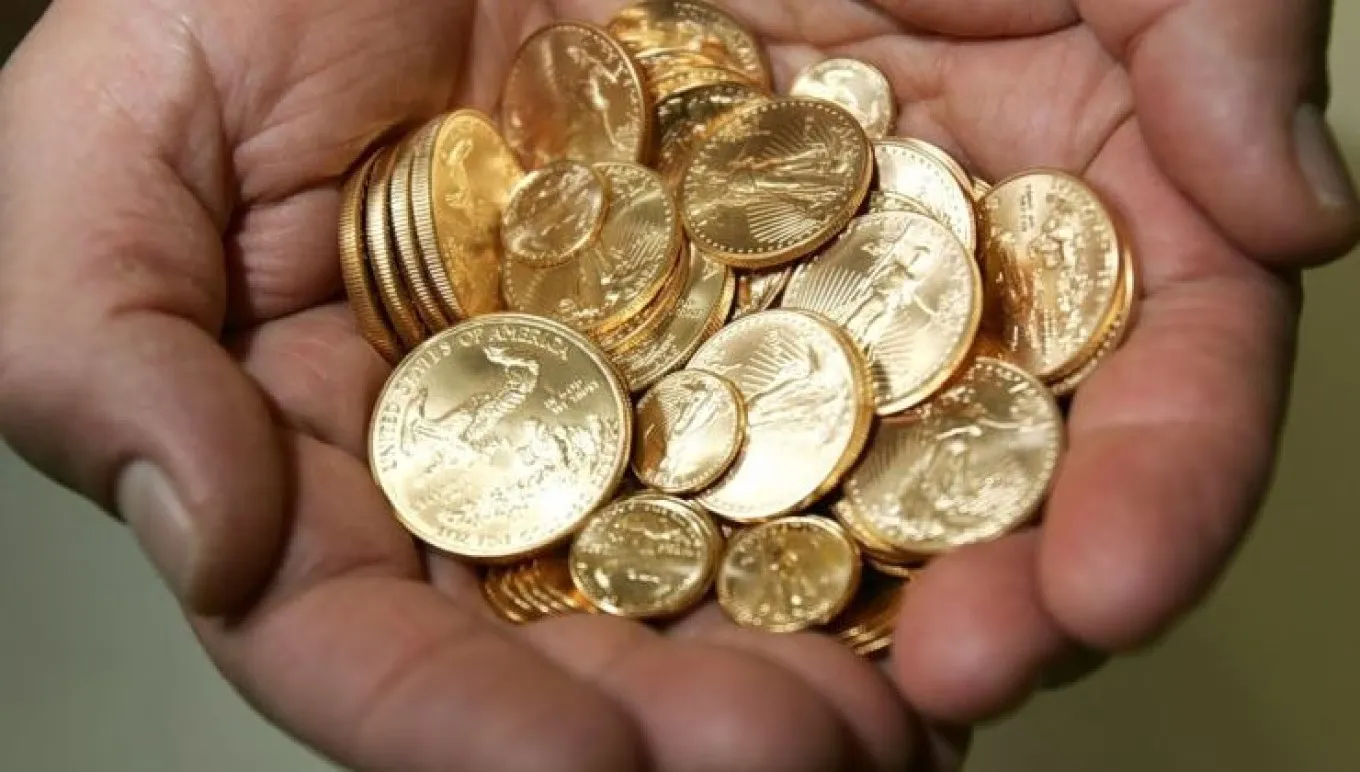
The surge in gold sovereign liquidation in 2026
The Bank of Greece has recorded a massive trend of liquidating gold sovereigns throughout 2026, as citizens increasingly convert these traditional assets into cash. According to data from the Bank of Greece, the first nine months of 2026 saw 21,014 gold sovereigns liquidated, compared to only 2,706 sovereigns purchased. This imbalance suggests a strong preference for liquidity over accumulation during this period.
The quarterly breakdown of these transactions reveals a consistent pattern of high sales volume relative to acquisitions:
| Period (2026) | Sovereigns Liquidated | Sovereigns Purchased |
|---|---|---|
| First Quarter (Q1) | 7,178 | 1,381 |
| Second Quarter (Q2) | 6,772 | 714 |
| Third Quarter (Q3) | 7,064 | 611 |
| Total (9 Months) | 21,014 | 2,706 |
This liquidity trend follows a long-standing tradition where gold sovereigns act as a hedge against national currency fluctuations. Historically, before the adoption of the euro, these coins provided a reliable defense against economic volatility. Even within the eurozone, they remain a preferred "safe haven" for Greek families, particularly following the capital controls experienced in the previous decade.
Navigating tax requirements and proof of origin
Selling gold sovereigns can trigger scrutiny from tax authorities, even if the transaction is conducted legally through the Bank of Greece. The primary challenge for taxpayers is not merely proving the sale, but demonstrating the legal origin of the coins. Tax authorities may not automatically recognize the proceeds as legitimate income for covering tax liabilities unless the owner provides specific supporting documentation.
To avoid legal disputes, holders should be prepared to present evidence regarding how the coins were acquired. Acceptable documents include:
- Original purchase receipts from institutions such as the Bank of Greece or Piraeus Bank.
- Inheritance certificates (kelirotorio) proving the transfer of assets from deceased relatives.
- Donation declarations or official records of gifts received during weddings or baptisms.
- Other relevant legal documents that establish a clear chain of ownership.
For coins that have been passed down through generations as family heirlooms without formal paperwork, justifying their origin can become a complex legal matter. The legislative framework regarding the prevention of money laundering and the financing of terrorism requires that original documents be provided to ensure the legitimacy of the funds.
Required documentation for high-value transactions
When transactions reach significant values, they may not be completed on the same day. Financial institutions may require additional verification to comply with anti-money laundering regulations. This includes providing specific evidence of the coins' provenance, such as inheritance records or historical purchase proofs, depending on the specific characteristics of the transaction.
Bank of Greece procedures and digital appointments
The Bank of Greece (BoG) manages the purchase of gold sovereigns from private individuals under strict identification and pricing rules. As of November 3, 2026, a new "Electronic Appointments" platform is operational, allowing citizens to digitally schedule visits for buying or selling gold. This system enables users to select a specific branch, date, and time without the need for telephone communication.
The Bank of Greece mandates specific identification requirements for all transactions, regardless of the amount. To conduct a transaction, individuals must present:
- A valid national identity card or passport.
- A Tax Identification Number (AFM) derived from an official document, such as a tax assessment.
For transactions exceeding 500 euros, the proceeds are credited directly to the customer's bank account, which requires the provision of an IBAN. Pricing is also determined by the transaction volume. For sales up to 10,000 euros, the Bank applies prices from its official bulletin, which is updated periodically and published on its website. For transactions exceeding 10,000 euros, the price is determined based on the current market price of gold at the exact time of the transaction.
Additional requirements for transactions over 10,000 euros
For natural persons conducting transactions exceeding 10,000 euros—whether as a single transaction or through multiple partial transactions—the Bank of Greece requires further documentation to verify identity and residence. This includes:
- The most recent personal income tax assessment.
- Proof of current residential address, such as a recent utility bill or a rental agreement filed with a Public Financial Service (DOU).
- Proof of occupation and professional address, such as an employer's certificate, a recent payslip, or a professional identity card.
- For non-EU citizens, a valid residence permit.
- A contact telephone number, verified by a recent telecommunications provider bill.
Technical verification and avoiding counterfeit coins
The risk of encountering counterfeit gold sovereigns is a significant concern for buyers and sellers alike. Experts suggest that distinguishing genuine coins from "fake" ones requires specialized tools and precise measurements. To ensure the authenticity of a gold sovereign, a buyer should ideally use a high-precision scale capable of measuring to a thousandth of a gram, a micrometer, and a genuine reference coin.
A genuine gold sovereign possesses specific physical characteristics that must be verified:
- Weight: 7.989 grams.
- Diameter: 22.05 millimeters.
- Thickness: 1.52 mm.
- Purity: 22 karats.
It is important to note that a genuine coin may appear slightly underweight due to physical wear and tear or may have minor dents that impact its market value. However, significant deviations from these standard measurements are indicators of potential fraud. To minimize financial loss, experts advise that all parties follow strictly legal and regulated channels for these transactions.