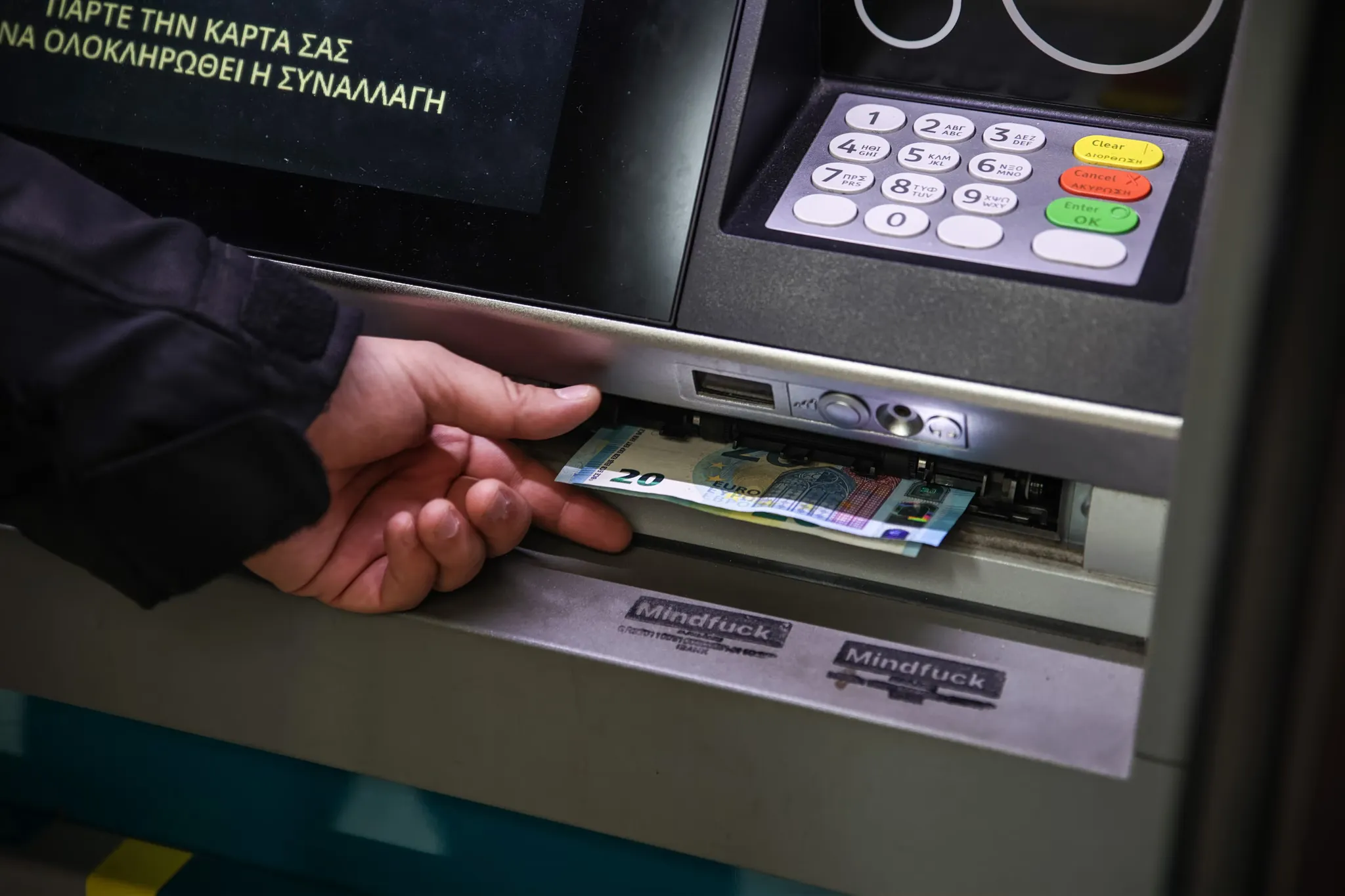
Meeting the 30% electronic payment threshold
Taxpayers must ensure that electronic payments account for at least 30% of their actual annual income to avoid significant surcharges in the upcoming tax year. This requirement is subject to a maximum expenditure cap of €20,000. If the electronic transaction volume falls below this 30% threshold, the difference is subject to an additional tax penalty of 22%.
Calculating the potential penalty
The financial impact of failing to meet the electronic payment requirement can be substantial depending on the income level. For an individual earning €20,000, the required electronic transactions amount to €6,000. If a taxpayer only accumulates €4,000 in electronic receipts, they face an extra tax of €440, calculated as 22% of the €2,000 shortfall. It is important to note that expenditures for medical visits are weighted more heavily, counting double toward the 30% income coverage requirement.
Specific groups are exempt from this obligation, including individuals who have reached the age of 70 and those currently serving their mandatory military service. The scale of non-compliance is significant; tax filings submitted in 2025 revealed that thousands of taxpayers failed to reach the 30% threshold, resulting in a total penalty burden of €86.04 million.
Maximizing deductions for professional services
Electronic payments for specific professional services can provide a direct reduction in taxable income. This measure, which has been extended through 2027, allows taxpayers to claim a 30% reduction in taxable income for expenses related to certain trades. The maximum annual deduction allowed under this provision is €5,000.
The following table illustrates how different spending levels on professional services impact taxable income:
| Professional Service Expenditure | Reduction in Taxable Income (30%) |
|---|---|
| €1,000 | €300 |
| €3,000 | €900 |
| €5,000 | €1,500 |
| €10,000 | €3,000 (capped at €5,000 total reduction) |
Eligible professional services include, but are not limited to, plumbers, electricians, and hairdressers. To benefit from this deduction, all transactions must be settled electronically.
Utilizing tax-free parental gifts for asset justification
Individuals who have acquired, or intend to acquire, real estate or vehicles by the end of the year can use parental gifts or donations to justify expenditures that exceed their declared income. This is particularly useful for covering the "tax proofs" (tekmiria) required by tax authorities when an individual's income does not align with their asset acquisitions.
For first-degree relatives, there is a tax-free threshold of €800,000 for donations. However, strict conditions apply to qualify for this exemption:
- The donation must be executed via a bank transfer.
- The funds must be officially received before the purchase of the asset is made.
- Declarations must be submitted through the myPROPERTY platform.
This mechanism provides a legal pathway to explain the source of funds for significant purchases, preventing the tax authorities from flagging the acquisition as unexplained wealth.
Tax benefits for home renovations
Homeowners undergoing renovations or repairs can access significant tax reductions if they adhere to specific payment protocols. Taxpayers can achieve a total tax reduction of up to €16,000 spread over a five-year period, or a maximum of €3,200 per year.
To qualify for these deductions, all renovation-related expenses must be settled using electronic means of payment. This incentive is designed to encourage the formalization of the construction and repair economy while providing relief to property owners. Failure to use electronic transactions for these specific costs will disqualify the taxpayer from the annual €3,200 credit.
Correcting E9 property records to manage ENFIA
Errors in the E9 property declaration can lead to inflated ENFIA (Unified Real Estate Ownership Tax) assessments. Property owners are advised to conduct a thorough audit of their property profiles to correct inaccuracies before they result in higher tax liabilities. Common areas where discrepancies occur include square footage, the age of the building, the floor level, and the percentage of co-ownership.
Specific attention should be paid to the following technical details in the declaration:
- Semi-finished properties: Incorrectly categorized status can lead to tax errors.
- Bare ownership (psili kyriotita): Ensuring the distinction between ownership and usage rights is accurate.
- Usufruct (epikrateia): Verifying that rights of use are correctly recorded.
By ensuring the E9 accurately reflects the physical and legal reality of the property, owners can prevent the automatic inflation of their real estate tax obligations.