Expanding the scope of festive price reductions
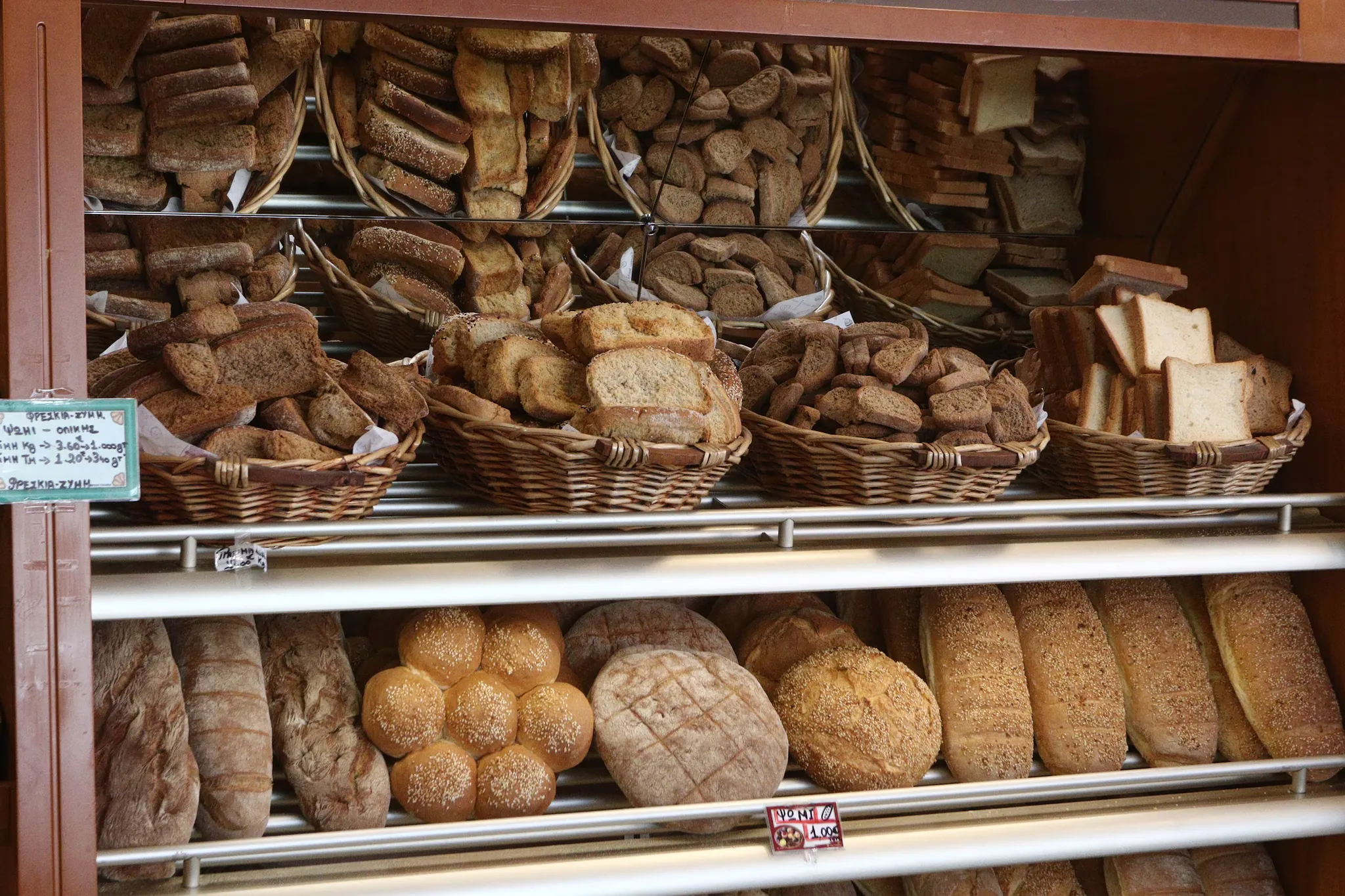
The potential inclusion of bakeries, confectioneries, and toy stores is currently under discussion to broaden the reach of the Greek festive support framework. According to reports from Oikonomikos Tachydromos, the goal is to address the high concentration of consumer spending that occurs during the final weeks of December. This period encompasses both essential holiday food purchases and the acquisition of gifts for children.
The decision to include these specific sectors is not yet finalized. The next phase of the process involves formal meetings with market representatives to establish a new regulatory and participation framework. These discussions will focus on three primary pillars:
- Identifying which specific sub-sectors and businesses can participate.
- Defining the terms and conditions for participation.
- Determining which specific product categories will be eligible for the initiative.
The outcome of these meetings will dictate whether small-scale local businesses, such as neighborhood bakeries or independent confectioneries, can participate under the same terms as larger retail chains.
Impact on traditional festive confectionery and bakery goods
If bakeries and confectioneries are integrated into the initiative, the focus will likely shift toward traditional seasonal products. The inclusion of these sectors would directly affect the pricing of staples used during Greek holiday celebrations.
Key festive bakery products under consideration
The discussions regarding bakeries are expected to center on specific high-demand items that are central to the holiday table. These include:
- Melomakarona (traditional honey cookies)
- Kourabiedes (almond shortbread cookies)
- Vasilopita (New Year's cake)
The exact selection of these items will depend on the results of negotiations with industry professionals. A significant variable remains the logistical and economic feasibility for independent operators. While large retailers can easily absorb or pass on certain discount structures, the initiative must determine how to make participation viable for a local neighborhood bakery or a small, independent confectionery without compromising their operational stability.
Retail considerations for the toy and gift sector
The potential inclusion of the toy industry would shift the initiative's focus from food staples to discretionary spending on children's gifts. For families managing multiple holiday budgets, the availability and variety of discounted products will be a critical factor in the program's success.
If the toy sector is incorporated, stakeholders will prioritize the breadth of the selection. For a household purchasing gifts for two or three children, the utility of the initiative depends on whether discounts are available across various price points. Furthermore, the availability of these products during the peak traffic days of the festive season will be a key metric for consumer benefit. The discussions will need to address whether the discounts will be widespread across major toy retailers or limited to specific product categories.
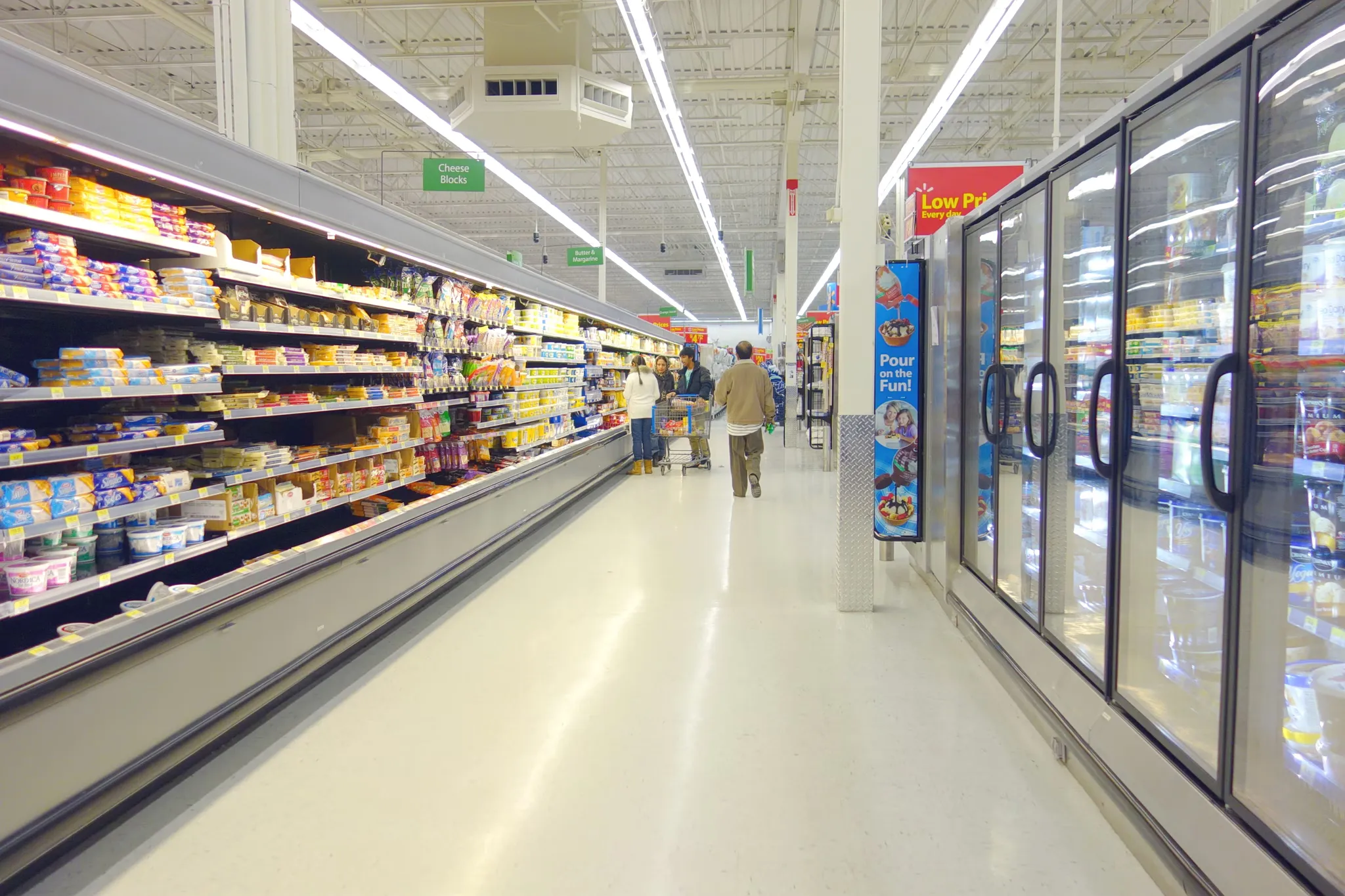
Current status of the supermarket 'Holidays for All' program
While the expansion to bakeries and toys is still being deliberated, the supermarket component of the Holidays for All initiative has already been officially announced. According to Deputy Minister of Development Vasilis Spanakis, the supermarket action is scheduled to run from December 18 to December 31.
The program is structured around a significant volume of products and specific discount targets. The following table outlines the current parameters of the supermarket phase of the initiative:
| Feature | Details |
|---|---|
| Active Period | December 18 – December 31 |
| Product Scope | Over 300 codes across 25 categories |
| Maximum Discount | Up to 25% on selected items |
| Potential for Higher Discounts | Ministry officials suggest final lists may yield even higher reductions |
The initiative covers a wide array of essential goods, ensuring that the most common household expenses are addressed during the high-cost period of late December.
Categorization of supermarket discounts
The discounts are not uniform across all product types. Based on the announcements from the Ministry of Development, the reductions are categorized as follows:
- High-reduction categories: Essential goods such as olive oil, pasta, eggs, milk, cheese, coffee, and chocolate products.
- Festive food staples: Items for the holiday table, including lamb, turkey, tsourekia (sweet bread), and Vasilopita.
- Limited-reduction categories: Meat and confectionery products are expected to see price reductions that are lower than the 25% ceiling.
By targeting these specific categories, the Ministry aims to provide relief on the most impactful grocery expenditures while managing the economic complexities of different food sectors.