What is the current status of the Greece-Cyprus Interconnection (GSI) surveys?
The resumption of seabed surveys for the Greece-Cyprus Interconnection (GSI) is imminent, with official administrative steps expected to conclude within the first ten days of November 2026. The primary driver for this restart is the scheduled meeting of the Committee for the Granting of Marine Research Licenses (EXAETH), which has already received the mandate to convene. Once the committee provides the necessary clearance, a NAVTEX—a maritime warning system used to notify vessels of specific activities—will be issued to ensure safe passage and operational awareness in the survey area.
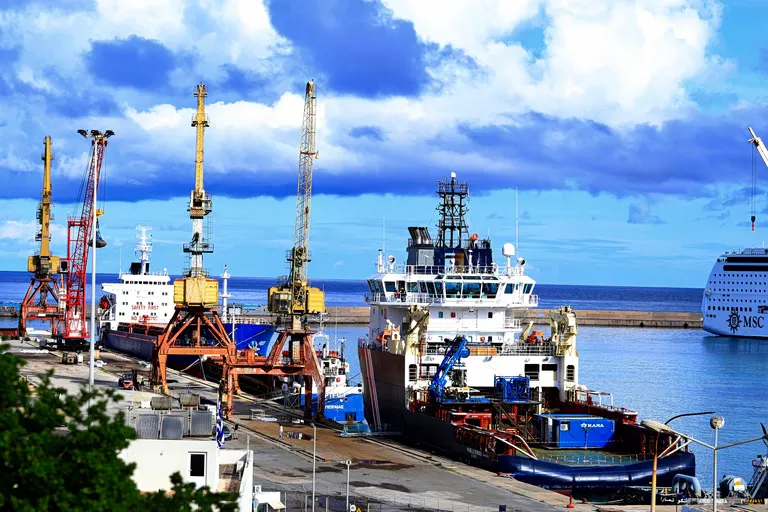
Technical preparations are already well underway. The specialized research vessel 'Abeille Marengo' is currently docked in Heraklion, Greece, awaiting the formal issuance of the NAVTEX to begin its mission. These seabed surveys are a prerequisite for the subsequent cable laying process, as they provide the essential topographical data required for the technical design and safe installation of the high-voltage link.
The technical timeline for GSI operations
The restart of activities is not merely a symbolic gesture but a continuation of work that was paused in 2024. Because seabed mapping is a time-intensive process, it must be completed before the physical cable-laying phase can commence. Experts suggest that if the administrative processes follow the current trajectory, the technical groundwork will be significantly advanced by the end of 2026, paving the way for the more complex installation stages in the following years.
How is Nexans managing the project's technical and financial risks?
Nexans, the major industrial player involved in the GSI project, is adopting a highly cautious approach to communication to avoid the diplomatic and operational complications experienced in 2025. Julien Imbert, CEO of Nexans, has emphasized that the company is closely monitoring ongoing political and diplomatic discussions before making definitive public statements regarding the project's immediate next steps.
Despite the cautious rhetoric, the company has highlighted how its new technology and project management strategies are designed to mitigate risks. According to statements from Imbert to Bloomberg, the implementation of MI technology has reduced the inherent risks associated with the GSI project. This technological advancement is part of a broader strategy to ensure the company's production units remain utilized through 2028, regardless of the specific timing of the GSI restart.
- Risk Mitigation: The use of new technology aims to minimize environmental and operational disruptions.
- Resource Management: Nexans is balancing GSI with other Mediterranean projects to ensure continuity of operations.
- Financial Stability: The company maintains that its long-term financial outlook remains stable, whether or not the GSI project proceeds on the immediate timeline.
The company's strategy involves using the current period to conduct preliminary technical designs and secure the necessary financing. This preparation ensures that if the project restarts in 2028, it will do so with a robust technical and financial foundation.
What is the diplomatic tension regarding Turkey's request for 'notification'?
A significant point of contention in the GSI project involves the specific type of communication requested by Ankara. The Turkish Foreign Minister, Hakan Fidan, has stated that while Turkey does not oppose the project, it requires formal, written notification containing specific coordinates of the survey areas, rather than mere verbal updates. This request has created a delicate diplomatic dilemma for the Greek government.
The core of the issue lies in the legal interpretation of such a notification. Analysts warn that providing specific coordinates in a written format could be misinterpreted by Turkey as a de facto granting of permission or a formal license. This is particularly sensitive because, under international maritime law, the seabed of the continental shelf in open waters does not require a third-party license for such surveys; only the sovereign state (in this case, Greece) holds the authority to grant such permits.
Navigating the 'notification' vs. 'licensing' trap
To manage this, Greek officials are looking for a way to satisfy the requirement for information without inadvertently conceding legal jurisdiction. There are several proposed approaches:
- The NAVTEX approach: Relying solely on the NAVTEX, which is the standard international maritime procedure for informing vessels of activities to avoid accidents.
- The Diplomatic approach: Providing a formal announcement that explicitly states the information is for maritime safety and coordination, not a licensing procedure.
- The Multilateral approach: Ensuring that the announcement is shared not just with Turkey, but also with regional stakeholders including Israel, Egypt, and Syria, to frame the project as a regional energy necessity rather than a bilateral dispute.
Giorgos Gerapetritis has clarified the Greek position, stating that Greece is the only country from which permission can be sought and that any subsequent communication regarding surveys and cable laying will explicitly clarify that it does not constitute a licensing process.
Why is the GSI project critical for Mediterranean energy stability?
The GSI project serves as a cornerstone for the future energy architecture of the Eastern Mediterranean. By creating a direct electrical link between Greece and Cyprus, the project facilitates the integration of renewable energy sources into the European grid and enhances regional energy security. The project is viewed not just as a bilateral infrastructure link, but as a strategic asset for the entire Mediterranean basin.
The successful implementation of the GSI will allow for more efficient energy transfers and provide a template for future interconnections involving neighboring countries. While the current phase is focused on technical surveys and navigating complex maritime boundaries, the ultimate goal remains the creation of a resilient, interconnected energy corridor that can withstand both political volatility and the technical challenges of deep-sea infrastructure.
Frequently asked questions
What is the purpose of the NAVTEX in the GSI project?
The NAVTEX is a maritime warning system used to inform all vessels in a specific area about upcoming activities. In the GSI project, it will serve to notify mariners of the research vessel's presence and the survey coordinates to prevent accidents and ensure maritime safety during the seabed mapping phase.
Why did the GSI surveys stop in 2024?
While the specific reasons for the 2024 pause were tied to the need for further political and diplomatic clarity, the project is now officially resuming. The current phase focuses on completing the essential seabed surveys that were interrupted, which are necessary before the actual cable can be laid.
Does Turkey have a legal right to authorize these surveys?
According to Greek authorities and international maritime principles, Turkey does not have the legal authority to license these activities. Greece maintains that it is the sole authority for granting permissions in its jurisdiction, and any communication with Turkey is intended as a safety notification rather than a legal concession.
What role does the company Nexans play?
Nexans is a key industrial partner providing the technical expertise and potentially the infrastructure for the interconnection. The company is managing the technical risks and preparing the necessary preliminary designs and financial frameworks to ensure the project can proceed effectively once the political environment stabilizes.
When is the project expected to be fully operational?
The current focus is on completing seabed surveys and technical preparations by 2028. While a definitive completion date for the entire electricity flow depends on the successful execution of the cable-laying phase, Nexans' current planning aims to have the project ready for significant progress by 2028.
Key takeaways
- The EXAETH meeting is expected in early November 2026 to authorize GSI surveys.
- The research vessel 'Abeille Marengo' is prepared to begin operations immediately after the NAVTEX is issued.
- Nexans is utilizing new MI technology to reduce operational risks for the GSI project.
- Greece maintains that any communication with Turkey regarding coordinates is for safety, not licensing.
- The project aims to resume seabed mapping to prepare for future cable installation.
Conclusion
The Greece-Cyprus Interconnection (GSI) is entering a decisive phase that balances technical necessity with complex maritime diplomacy. While the imminent resumption of seabed surveys via the EXAETH mandate and the deployment of the 'Abeille Marengo' signal a clear commitment to the project's physical progress, the diplomatic handling of Turkey's requests remains a critical variable. By framing communications as maritime safety measures rather than legal concessions, Greece seeks to advance this vital energy corridor while maintaining its sovereign rights. Ultimately, the project's success will depend on navigating these delicate geopolitical waters to achieve a stable, interconnected Mediterranean energy future.