How will the new driving license exam system work?
The new system will utilize a digital platform to manage the entire lifecycle of driver training and examination, centered on increasing accountability through technological oversight. According to the agreement signed between the Ministries of Infrastructure and Transport and Digital Governance, the project involves a collaboration with the Foundation for Research and Technology - Hellas (FORTH).
A cornerstone of this reform is the introduction of digital recording during practical driving tests. This will involve installing cameras within training vehicles to provide an objective record of the examination process. This measure is specifically designed to provide evidence in cases where an assessment is contested, thereby reducing the potential for non-transparent or biased evaluations.
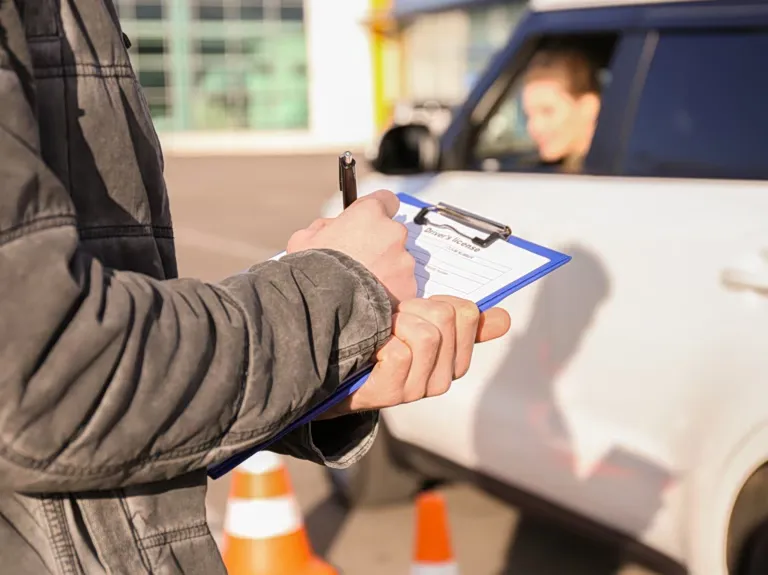
Furthermore, the system will introduce a randomized lottery for examiners. Instead of fixed assignments, examiners will be selected automatically just before the practical tests take place. This mechanism is intended to prevent any prior arrangements between instructors and examiners, ensuring a fair and unpredictable testing environment for all candidates.
The role of digital recording and transparency
The implementation of camera monitoring is expected to serve two primary functions: providing a factual audit trail and deterring malpractice. By having a visual and auditory record of the driving test, the ministry aims to create a process that can be reviewed ex-post facto. This level of scrutiny is intended to protect both the candidate, from unfair grading, and the examiner, from unfounded accusations of misconduct. However, the success of this feature depends heavily on the technical specifications regarding data storage, access rights, and the strict protection of personal data for both the driver and the official.
What changes are coming to driver training and preparation?
Digital monitoring will now extend to the theoretical and practical training phases to ensure that students actually complete the required curriculum. Currently, the system faces challenges where training lessons are sometimes reported as completed when they have not actually occurred. The new digital platform will record attendance in real-time, allowing for much tighter oversight of driving schools.
To assist candidates in their studies, the reform includes the development of a dedicated mobile and tablet application. This tool will offer a modern approach to learning through:
- Interactive tests that simulate real-world driving scenarios.
- Simulations designed to prepare students for the complexities of the Greek Highway Code (KOK).
- Progress tracking features that allow students to monitor their own improvement over time.
This shift toward digital education aims to standardize the quality of instruction across the country, ensuring that every candidate reaches a verified level of competence before attempting the official examination.
How does the reform impact vehicle administration and license plates?
Beyond the examination process, the €2.1 million agreement includes significant upgrades to how vehicle identification and registration are managed in Greece. A major component of this is the digitization of the license plate replacement process, which is currently required in cases of theft, loss, or physical damage.
The new system will introduce a more robust management framework for state-issued license plates, covering the entire lifecycle from initial production and stock management to the final assignment to a vehicle. Key improvements include:
- Automated allocation of registration numbers to reduce administrative delays.
- Enhanced traceability of all state-issued plates.
- Improved control over the inventory and distribution of physical plates.
By integrating these services into the existing digital infrastructure, the government seeks to reduce the bureaucratic burden on citizens and improve the overall efficiency of the transport registry.
What is the scale and timeline of this digital transformation?
The project is scheduled to be fully operational within approximately 24 months of its signing. It is being executed by the General Secretariat of Information Systems and Digital Governance in partnership with the Institute of Informatics at FORTH. The entire technological framework will run on the "Government Cloud" infrastructure, ensuring seamless interconnection with existing national registries and information systems.
The urgency of these reforms is underscored by the massive surge in digital service usage in Greece. Data shows that the existing digital services platform for drivers and vehicles (drivers-vehicles.services.gov.gr) has already processed 2.8 million applications. Notably, during the first nine months of 2026 alone, 1,162,075 applications were submitted, representing a 61.4% increase compared to the total volume seen in 2025.
Integration with the Government Cloud
By utilizing the Government Cloud, the new driving license platform will benefit from centralized data management. This means that the data collected during driving lessons, the results of the randomized examiner lottery, and the video evidence from practical tests will be securely stored and easily accessible to the relevant administrative bodies for auditing purposes. This high-level integration is crucial for maintaining a cohesive digital ecosystem for Greek transport services.
Frequently asked questions
Will my driving exam be recorded on video?
Yes, the new regulations include the installation of cameras within training vehicles to record practical driving tests. This digital recording is intended to provide objective evidence for any potential appeals and to ensure that the assessment process remains transparent and free from bias or irregular practices.
How are examiners chosen for the driving tests?
Examiners will be selected through an automated, randomized lottery system. This selection process will occur shortly before the practical tests are conducted. The goal of this randomized approach is to prevent any pre-arranged connections between driving instructors and examiners, thereby enhancing the integrity of the testing process.
Can I use an app to study for my driving test?
Yes, the reform includes the launch of a specific mobile and tablet application. This app will provide interactive tests, driving simulations, and progress monitoring to help candidates better prepare for both the theoretical and practical components of their driving license exams.
How does the system prevent fake driving lessons?
The new platform will implement digital monitoring of both theoretical and practical training sessions. By recording attendance in real-time, the system will allow authorities to verify that students have actually attended the required number of lessons, preventing the fraudulent reporting of completed training.
What is the total budget for these transport reforms?
The total budget for this digital transformation project is €2,101,800, including VAT. This funding covers the development of the new information systems, the integration with the Government Cloud, and the modernization of license plate management and vehicle registration services.
Key takeaways
- A €2.1 million investment will modernize Greek driving exams via a new digital platform.
- Randomized examiner lotteries will be implemented to ensure testing fairness and transparency.
- In-car cameras will record practical tests to provide evidence for potential student appeals.
- Digital monitoring will track student attendance to prevent the reporting of uncompleted lessons.
- A new mobile application will offer interactive simulations to assist driver candidates.
Conclusion
The digital overhaul of the Greek driving license system represents a decisive move toward modernizing national transport infrastructure. By combining randomized examiner selection with video-monitored testing and digital training oversight, the Ministry of Transport aims to build a culture of transparency and accountability. While the technical implementation must carefully navigate data privacy and storage challenges, the projected 61.4% increase in digital service engagement suggests a high readiness for such transformations. Ultimately, these reforms seek to improve road safety by ensuring that only truly competent drivers enter the Greek roadway.