When exactly does the winter time change 2026 occur?
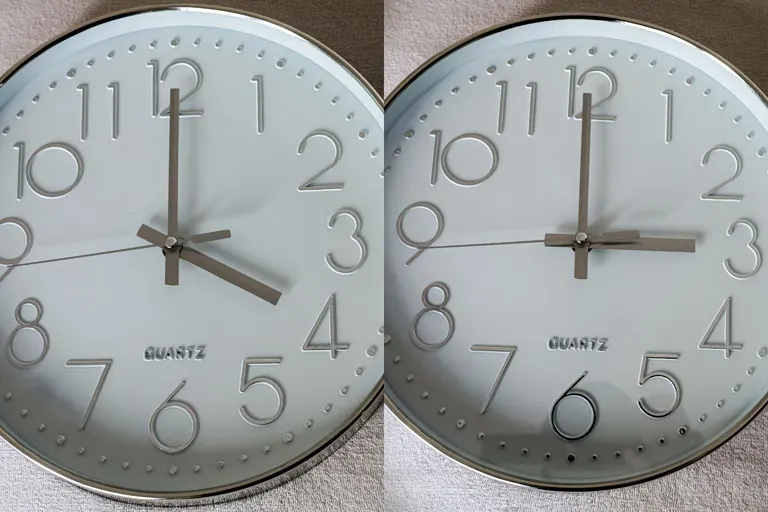
The transition to winter time will take place in the early hours of Sunday, October 25, 2026. At precisely 04:00, all clocks must be set back one hour to 03:00. This adjustment effectively grants individuals sixty minutes of additional rest during the night.
This specific timing is not arbitrary. Historically, the shift has been scheduled for Sunday mornings to minimize disruption to the workforce and general public activity. By implementing the change when human activity is at its lowest, authorities aim to reduce the risk of people being late for work, appointments, or scheduled transport services, which were common issues when the practice was first introduced.
While the extra hour of sleep is a welcomed benefit for many, the change also signals the seasonal shift toward shorter days. As the clocks move back, the duration of daylight decreases significantly, marking the onset of the autumn and winter periods.
What is the regulatory framework for time changes in Europe?
The seasonal time change is governed by European Union regulations that ensure synchronization across member states. In Greece, the Ministry of Transport and Infrastructure has officially announced the 2026 transition in accordance with Directive 2000/84/EC of the European Parliament and of the Council. This directive establishes the provisions for daylight saving time across the Union.
The primary objective of this unified policy has traditionally been energy conservation. By aligning the hours of daylight with human activity, the EU sought to optimize energy usage. However, the effectiveness of this measure has become a central point of contention in recent years.
The evolution of EU time policy
Since 2018, the European Commission has actively pursued a proposal to end the seasonal switching between summer and winter time. This initiative received strong support from the European Parliament, reflecting a growing desire for a permanent time standard. Despite these legislative efforts, no final decision has been reached to abolish the practice entirely. The topic remains a subject of intense discussion, with the European Parliament revisiting the issue as recently as October 2025 to address the complexities of a unified European time zone.
Why is there opposition to seasonal time changes?
Critics of the seasonal time shift focus on the negative impact the sudden adjustment has on human biological rhythms. The human body operates on a circadian rhythm—an internal clock that regulates sleep, hormone release, and metabolic processes. Abruptly changing the time can cause a misalignment between this internal clock and the external environment.
The primary concerns raised by health experts and opponents include:
- Sleep Quality: The shift can lead to temporary sleep deprivation or disrupted sleep patterns, affecting overall restfulness.
- Biological Disruption: Sudden changes can interfere with the body's natural cycles, potentially impacting mood and cognitive function.
- Energy Efficiency Doubts: There is increasing skepticism regarding whether the energy savings achieved through these changes remain significant in a modern context of energy consumption.
As technology and energy usage patterns evolve, the original rationale for daylight saving time is being scrutinized more heavily than ever before.
How does the time change impact daily life and productivity?
While the Sunday morning implementation mitigates many risks, the transition still presents practical challenges for society. The shift in daylight hours affects everything from commuting patterns to energy consumption in residential and commercial sectors.
The transition from summer to winter time means that the sun will set much earlier in the evening. This change in light availability can influence social behaviors, such as the timing of outdoor activities and the increased use of artificial lighting in homes and streets. Furthermore, the psychological impact of shorter days, combined with the disruption to sleep cycles, can lead to a perceived decrease in productivity during the transition week.
Frequently asked questions
When should I change my clock for the 2026 winter time shift?
You should set your clocks back one hour on the morning of Sunday, October 25, 2026. The official transition occurs when the time reaches 04:00, at which point it should be moved back to 03:00.
Why is the time change always held on a Sunday?
The change is held on Sunday to minimize the impact on professional and social schedules. Because most people are not working or commuting during the early hours of Sunday, the risk of causing delays in workplaces or appointments is significantly reduced.
Will the European Union abolish seasonal time changes?
While the European Commission proposed ending seasonal changes in 2018 and the European Parliament has discussed the matter, no final decision has been implemented. The debate remains ongoing as of late 2025 and 2026.
Does changing the time actually save energy?
The original goal of the time change was to conserve energy by aligning daylight with activity. However, many critics now question if these savings are still significant enough to justify the biological disruption caused to the population.
What happens to the daylight hours during this change?
As the clocks move back to winter time, the duration of daylight decreases. This means that the sun will rise later and set earlier, resulting in noticeably shorter days during the autumn and winter months.
Key takeaways
- The 2026 winter time change occurs on Sunday, October 25, moving clocks from 04:00 to 03:00.
- The transition is mandated by EU Directive 2000/84/EC to ensure synchronization across member states.
- Critics argue that seasonal shifts disrupt human biological rhythms and sleep quality.
- The European Commission has proposed ending seasonal time changes, but no final decision has been made.
Conclusion
The upcoming winter time change on October 25, 2026, serves as a recurring reminder of the complex relationship between regulatory policy and human biology. While the extra hour of sleep offers immediate relief, the broader implications of seasonal shifts—ranging from circadian rhythm disruption to debates over energy efficiency—continue to fuel controversy. As the European Union deliberates on the future of timekeeping, the tension between traditional energy-saving measures and modern health considerations remains unresolved. For now, citizens must continue to adjust their clocks to align with the established European framework.